Cheesman Park Neighborhood Guide
An architect- and real estate-informed guide to Cheesman Park—covering its historic park and residential fabric, Denver Botanic Gardens, architecture, schools, daily life, housing market, and the property-specific considerations that matter when buying, owning, or selling here.
EXPLORE THE GUIDE
Your Cheesman Park Roadmap
Use the guide from beginning to end, or choose the part that matches your current question. Each section is designed to explain how Cheesman Park works as a place, how its buildings and residential environments differ, and where property-specific judgment becomes important.
PART ONE
Understand the Place
Start with geography, history, architecture, and preservation to understand how Cheesman Park’s landscape and housing evolved.
PART TWO
Experience the Neighborhood
Explore the park, Denver Botanic Gardens, local destinations, schools, and transportation to understand day-to-day life.
PART THREE
Make the Real Estate Decision
Use market evidence, buyer and seller frameworks, and property-level due diligence to evaluate a specific Cheesman Park opportunity.
Not sure where to begin? Start with Part One to understand how Cheesman Park’s landscape, history, and housing fit together. Already evaluating a specific property? Jump directly to Part Three for market analysis, buying considerations, and seller strategy.
Cheesman Park at a Glance
Cheesman Park is one of central Denver’s most distinctive residential neighborhoods because its identity is organized around something unusually large for an urban setting: an approximately 80-acre historic regional park. Yet living in the Cheesman Park neighborhood does not necessarily mean living directly beside the park.
The neighborhood extends across a broader collection of residential blocks containing historic houses, apartments, condominiums, larger multifamily buildings, institutions, commercial edges, and streets with very different levels of traffic and activity.
Where Is Cheesman Park?
For the Neighborhood Atlas, ttArch uses the City and County of Denver’s official statistical neighborhood as the primary study area.
North: East Colfax Avenue
East: York Street
South: East 8th Avenue
West: Downing Street
Denver’s statistical boundary gives the guide a consistent geographic basis. Nearby destinations outside that line may still be discussed when they materially affect daily life, but they should be identified as nearby rather than represented as being inside the neighborhood.
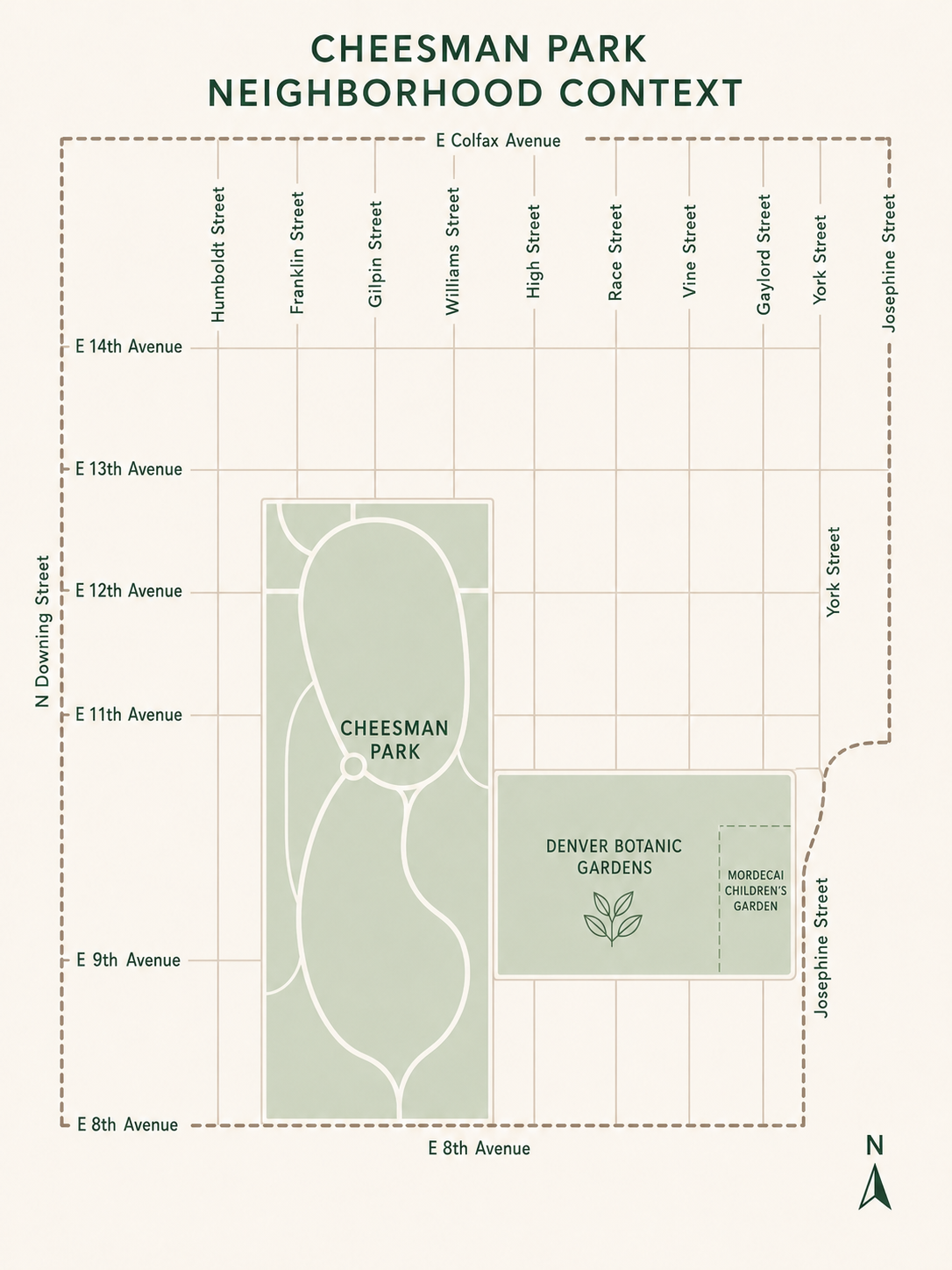
A Neighborhood Organized Around Landscape
The defining physical feature is Cheesman Park itself. Denver Parks and Recreation identifies Cheesman as an approximately 80-acre historic and regional park within one of Denver’s densest urban environments.
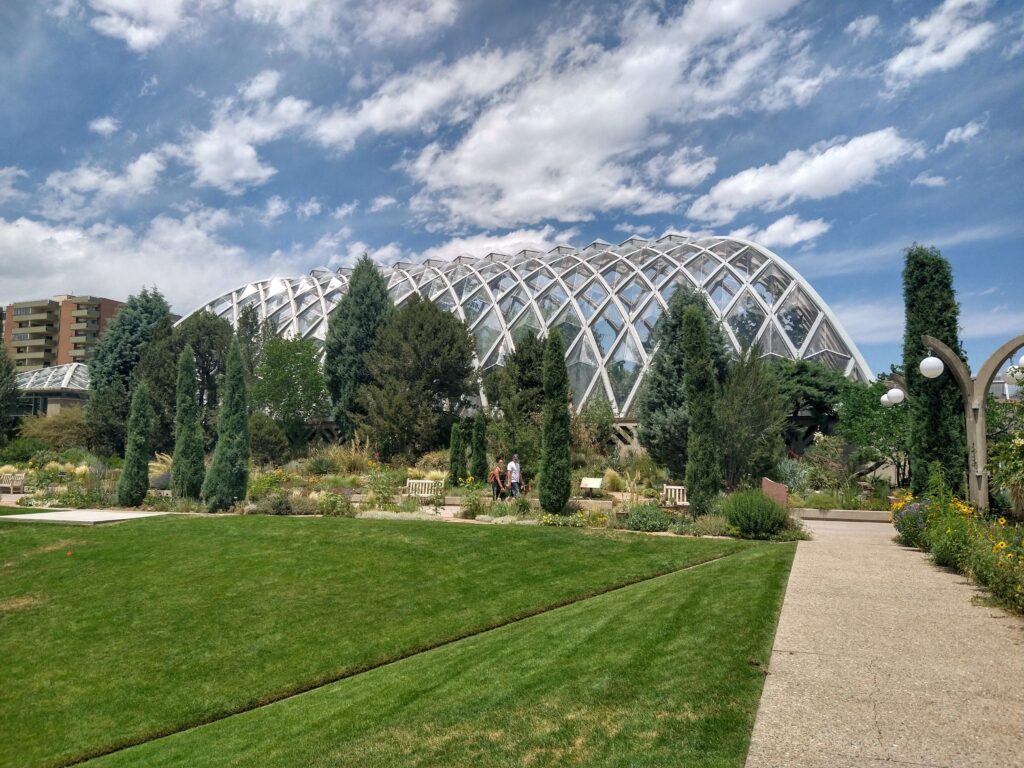
Immediately east of the park is another extraordinary neighborhood resource: Denver Botanic Gardens at York Street, a 24-acre campus of gardens, collections, cultural programming, and educational spaces.
Together, these landscapes create a concentration of public open space that is unusual within Denver’s central residential neighborhoods. But proximity alone does not tell the whole story. A residence directly facing or backing toward the park can have a fundamentally different relationship to views, pedestrian activity, events, parking demand, and privacy than a property several blocks away.
The Housing Environment Is Not Uniform
One of the most important things to understand about Cheesman Park is that it is not one type of residential environment. Its housing stock developed over more than a century and includes both historically significant residential areas and substantial multifamily development.
Historic Residential Fabric
Older detached houses and architecturally significant properties remain an important part of the neighborhood’s identity, especially where mature landscaping, traditional setbacks, and historic streetscapes remain intact.
Multifamily + Condominiums
Apartments and condominiums are fundamental to Cheesman Park. Buildings from different eras can vary materially in construction, elevators, windows, balconies, parking arrangements, shared systems, and HOA responsibilities.
Park-Related Properties
Some residences have a direct physical or visual relationship to Cheesman Park. Others benefit from convenient access without the same level of views, activity, exposure, or parking demand.
Major-Street Edges
Properties near Colfax, Downing, York, and other higher-activity streets can offer strong access while experiencing a different traffic, pedestrian, commercial, and noise environment from interior residential blocks.
Cheesman Park at a Glance
Downing → York
Approximately 80 acres
24-acre York Street campus
Multiple building eras and ownership types
Large landscape surrounded by central-city housing
Property type matters more than one neighborhood median
Cheesman Park’s unusual quality comes from the relationship between landscape and density. The park creates openness, mature vegetation, and a major civic landscape while the surrounding neighborhood contains housing ranging from historic detached residences to substantial multifamily buildings.
The neighborhood establishes the setting, but site, orientation, building type, and physical condition often determine how a property actually performs.
Cheesman Park should not be treated as one uniform real estate environment. A historic house, prewar condominium, larger multifamily unit, and park-facing residence may appeal to very different buyer priorities even when they sit within a few blocks of one another.
A useful evaluation moves through several scales: neighborhood → block → property type → building → residence.
A Landscape and Neighborhood Shaped by Reinvention
Cheesman Park’s history is unusually important to understanding the neighborhood today. Here, history explains not only architectural style and building age, but also the land itself, the park’s civic role, the surrounding residential form, and why some properties carry preservation considerations that can materially affect renovation and ownership decisions.
From Cemetery to Park
Before Cheesman Park became one of Denver’s most recognizable urban landscapes, the land was part of City Cemetery, established in 1859. Over time, pressure grew to convert the area into a more useful civic landscape, and the cemetery land was gradually transformed into park space.
Adjacent land that later became Denver Botanic Gardens had also served cemetery purposes as Mount Calvary Cemetery before ultimately becoming part of the City’s public landscape system.
This history should be understood as part of the neighborhood’s civic evolution—not as a novelty. It helps explain why Cheesman Park is more than a recreational amenity: the park represents a major transformation in Denver’s urban development.
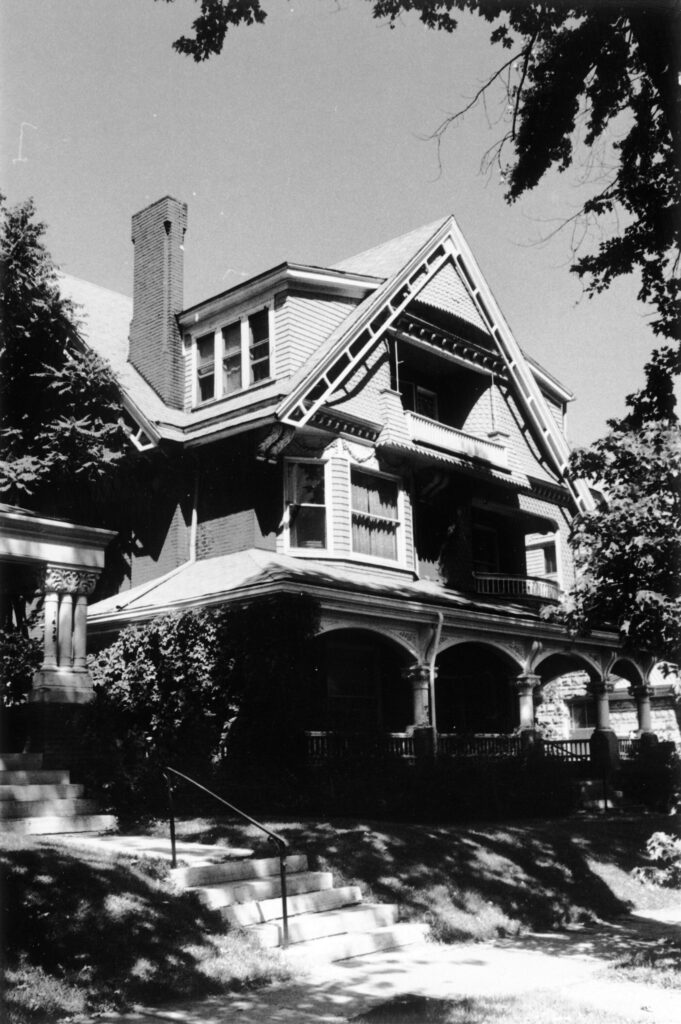
A Residential Neighborhood Grows Around the Park
As Denver expanded eastward and streetcar access improved, land around Cheesman Park became increasingly desirable for residential development. The result was not one uniform housing type, but a layered neighborhood shaped over decades by changing architectural styles, construction methods, and household needs.
Morgan’s Subdivision developed largely between 1910 and 1930 and contains high-style residential architecture associated with the City Beautiful era, including Classical Revival, Mediterranean Revival, Tudor, and Denver Square forms.
The broader Wyman Historic District represents an even wider period of development, including late-19th-century houses, early apartment buildings, commercial architecture along Colfax, and later mid-century multifamily structures.
Historic Character Is Not the Same as Historic Designation
A building can be old or architecturally distinctive without being locally landmarked or located within a local historic district.
Cheesman Park contains many older and historically interesting properties, but preservation regulation is address-specific.
If a property is an individual Denver landmark or lies within a local historic district, some exterior projects may require Landmark Preservation design review. That can affect additions, exterior alterations, visible mechanical work, windows, roofing, and site changes.
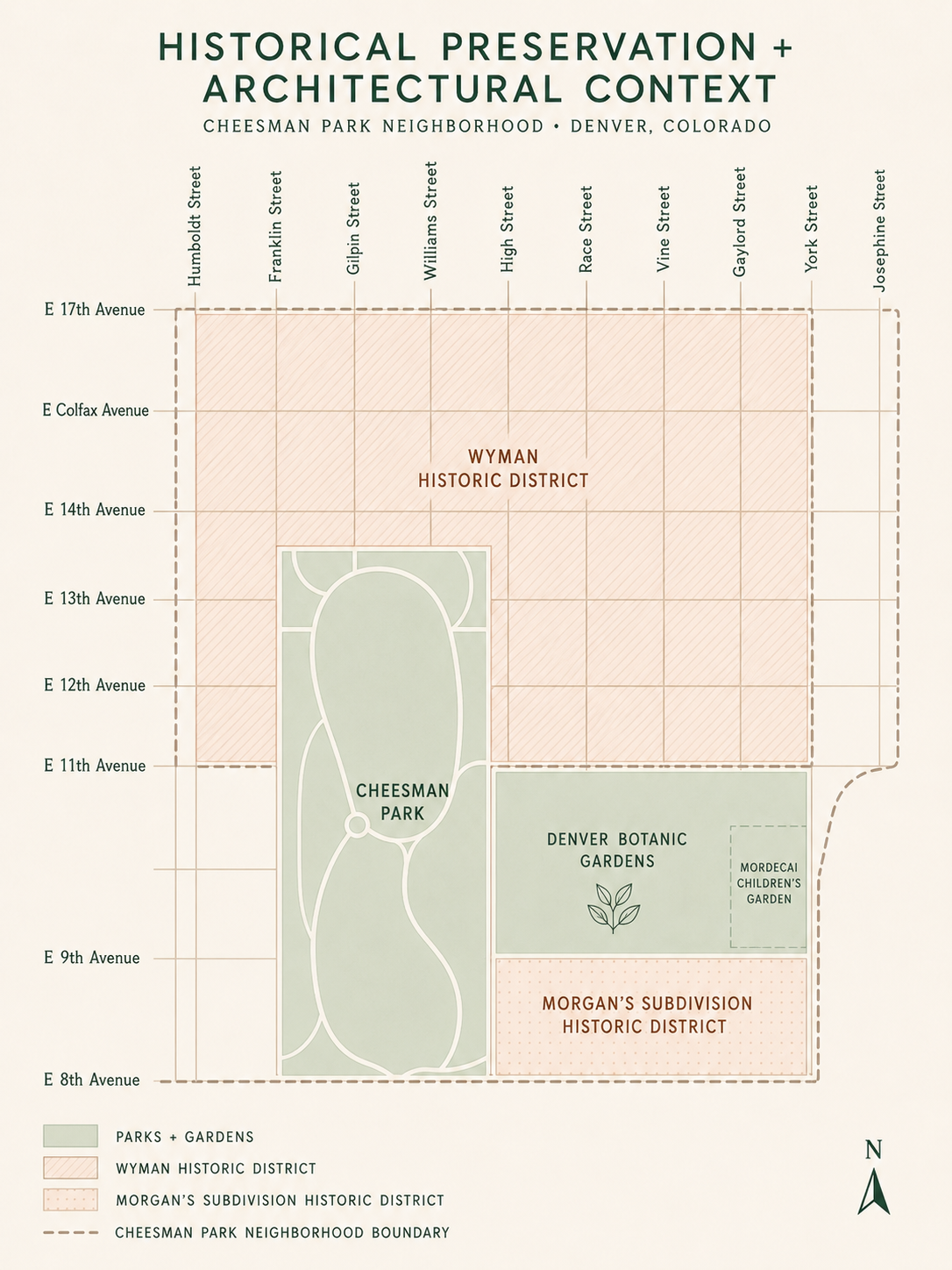
Two Historic Districts Worth Understanding
Morgan’s Subdivision
Morgan’s Subdivision is one of the clearest examples of a refined, park-related historic residential environment in Cheesman Park.
- Predominantly two- to three-story residences
- Red brick and stucco construction
- Generous setbacks and mature landscaping
- Classical Revival, Mediterranean Revival, Tudor, and Denver Square influences
- Direct relationship to Cheesman Park and Denver Botanic Gardens
Wyman Historic District
Wyman is broader and more varied, reflecting several generations of Denver development.
- Late-19th-century detached homes
- Denver Squares and revival-style houses
- Historic apartment buildings
- Commercial architecture along Colfax
- Later mid-century multifamily buildings
The district’s diversity reinforces the importance of evaluating each property according to its own era, condition, and preservation context.
Historic Property Due Diligence
Start with the exact property.
Historic district, individual landmark, or neither.
Understand what review may apply.
Look at alterations, approvals, and renovation history.
Test preservation obligations against future plans.
Architect Perspective
Historic significance and building performance are different questions. Style can explain appearance and cultural value, but ownership decisions usually turn on materials, alterations, maintenance, systems, and the quality of previous work.
For an older Cheesman Park property, I would want to understand what is original, what has changed, and whether those changes support the building’s long-term performance.
Broker Perspective
Historic context can be a meaningful market attribute, but “historic,” “architecturally significant,” and “landmarked” are not interchangeable.
For buyers, exact designation can affect renovation flexibility. For sellers, accurate language and documentation make the property story more credible and reduce uncertainty during due diligence.
More Than a Century of Residential Architecture
Cheesman Park’s housing stock is one of the strongest reasons to evaluate the neighborhood at the building and property level, not just by address or neighborhood name.
Historic detached residences, Denver Squares, prewar apartments, mid-century multifamily buildings, larger condominium structures, and later infill can all sit within a relatively compact area while presenting very different ownership questions.
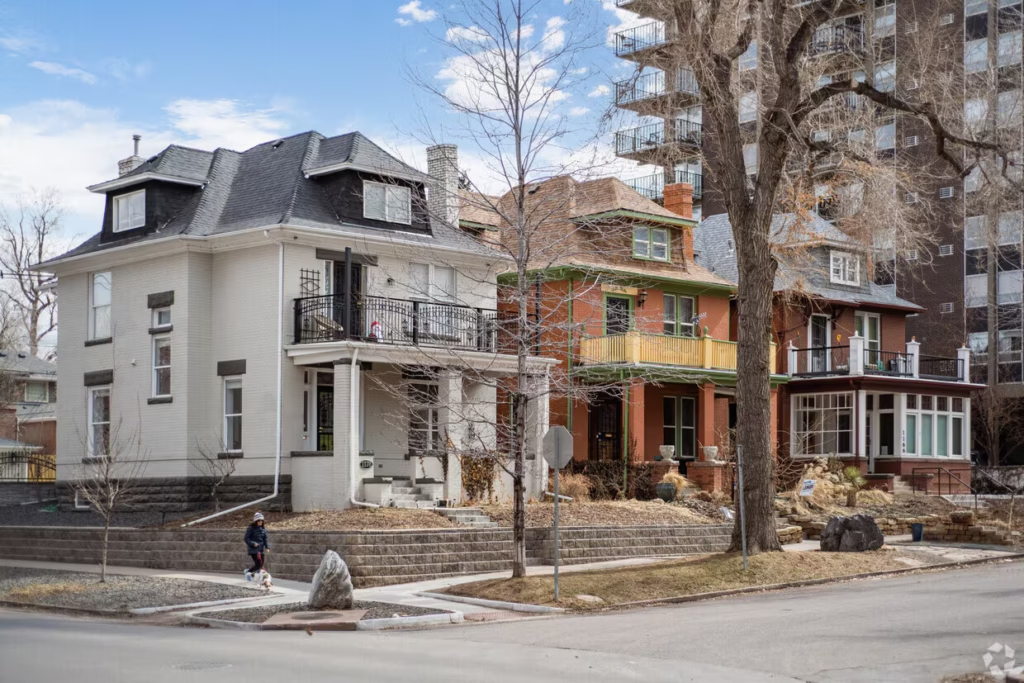
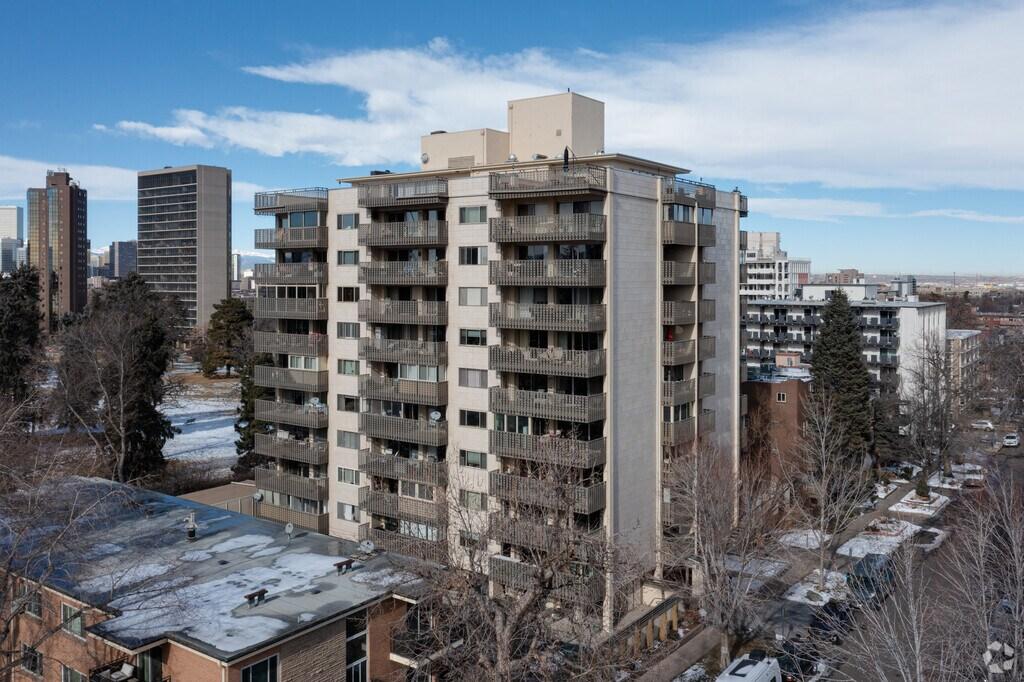
The Main Residential Building Types
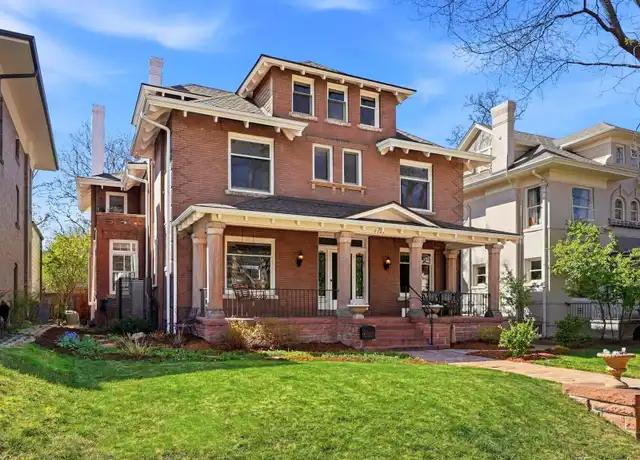
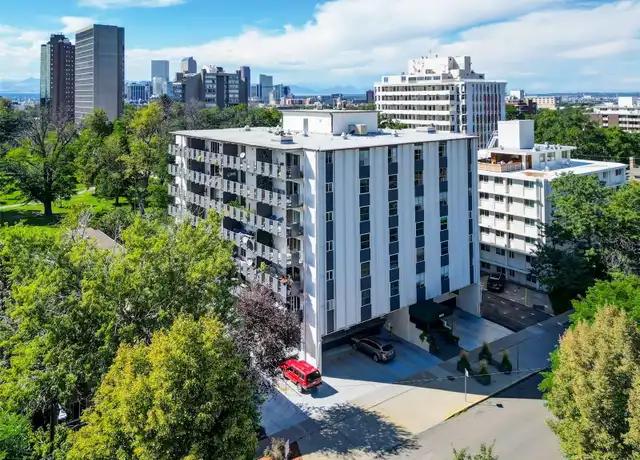
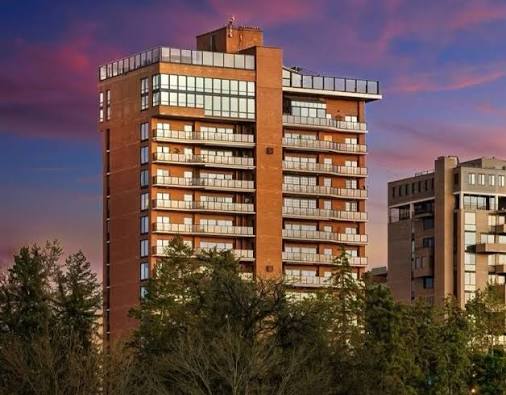
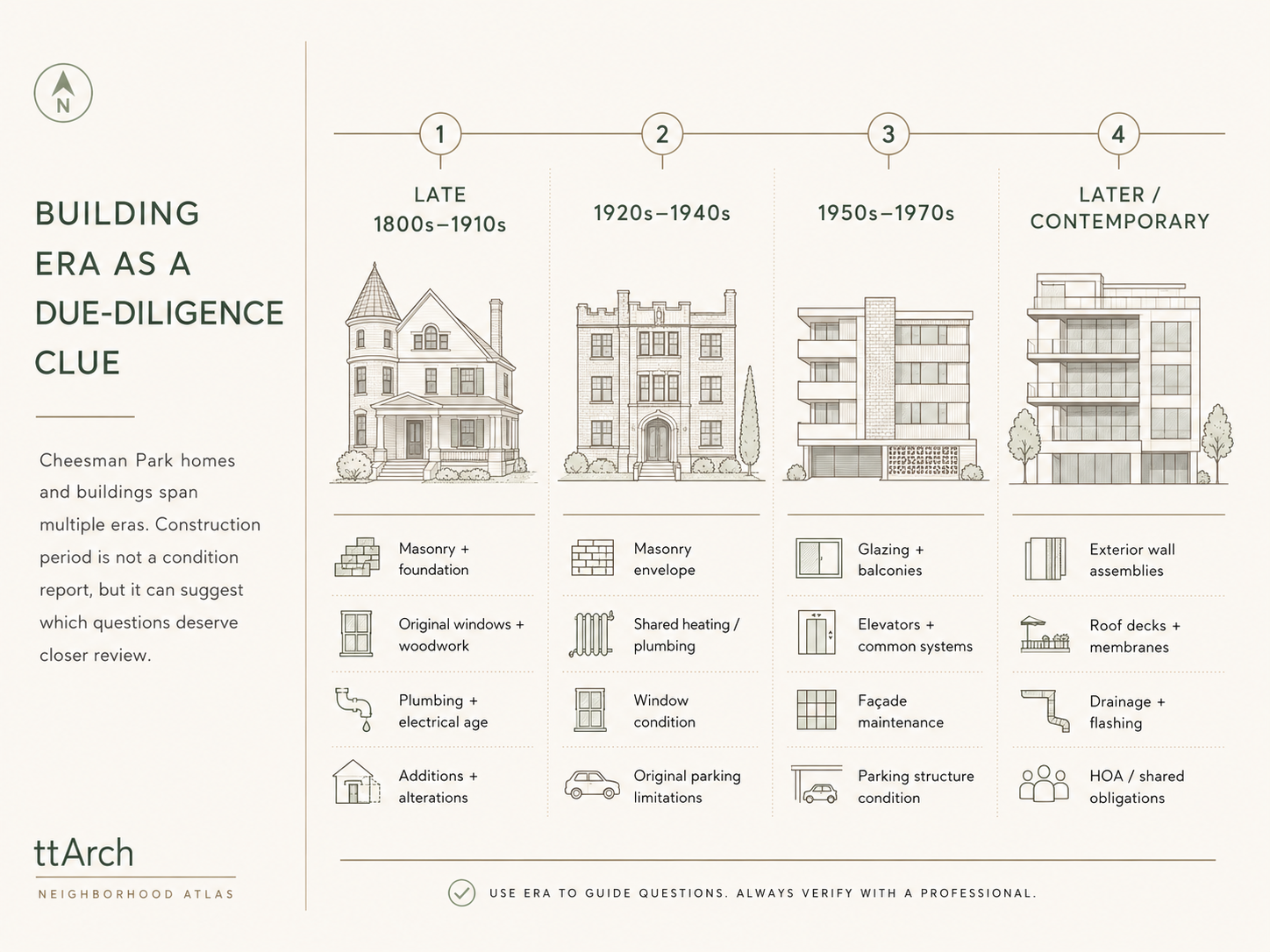
Building Era as a Due-Diligence Clue
A building’s era should be treated as a question generator, not a condition report.
Older structures may suggest questions about masonry, foundations, plumbing, electrical systems, and alterations. Mid-century buildings may shift attention toward glazing, balconies, elevators, garages, and common mechanical systems. Contemporary infill introduces different issues such as membranes, drainage, roof decks, and shared walls.
The era tells you where to look. The actual building tells you what condition exists.
Architectural Style vs. Building Performance
One of the easiest mistakes to make in an architecturally rich neighborhood is to confuse appearance with performance.
A beautifully preserved historic façade may conceal aging plumbing or electrical systems. A plain mid-century building may have excellent reserves and recently replaced systems. A highly renovated condominium interior may sit inside a building facing major capital work. A newer townhome may have modern equipment but complicated roof, balcony, or drainage details.
Architecture tells us how a building was conceived. Due diligence tells us how it performs today.
Park-Edge Architecture Is a Special Condition
Cheesman Park creates an additional architectural variable that many neighborhoods do not have at this scale: a major public landscape directly adjacent to residential buildings.
That relationship can influence views, daylight, building orientation, privacy, pedestrian activity, entry sequence, balcony use, landscaping, parking, and resale appeal.
A building that faces the park may perform very differently from an otherwise similar building one block away. Even within the same building, unit orientation and floor level can change the experience substantially.
Questions for a Park-Oriented Property
Which floor?
Elevation changes privacy and views.
Which direction?
Orientation affects light and exposure.
What do the primary rooms face?
The address alone does not establish a park view.
How does the building meet the park?
Entrance, setbacks, landscaping, and parking all matter.
Architect Perspective
Cheesman Park is a good example of why architectural style is only the beginning of property analysis. What matters more is the relationship between original construction, later alterations, maintenance, and current use.
A historic home may have been carefully modernized—or altered repeatedly without a coherent strategy. A prewar apartment building may have extraordinary masonry and proportions but aging shared systems. A mid-century building may offer excellent daylight and efficient structural logic while approaching expensive façade, balcony, elevator, or mechanical work.
The most useful question is not simply, “What style is it?” It is: How was this building constructed, how has it changed, and what does that imply for owning it now?
Broker Perspective
Cheesman Park’s architectural diversity also creates multiple competitive markets within one neighborhood. A historic detached home, prewar condominium, mid-century unit, and larger park-oriented condominium building should not be compared simply because they share the same neighborhood label.
Building era, condition, parking, HOA structure, unit position, views, shared systems, and long-term capital needs can materially affect both marketability and value. The strongest comparable properties usually share not just proximity, but a similar ownership structure and physical context.
The Landscape Is Part of the Neighborhood
Cheesman Park is not simply a neighborhood with a large park nearby. The park is one of the neighborhood’s defining physical, social, and visual structures.
Together with Denver Botanic Gardens, it creates a concentration of public landscape that is unusual within central Denver. The real estate question is not simply “How close is the property to the park?” It is “What kind of relationship does this property actually have with the landscape?”
Cheesman Park
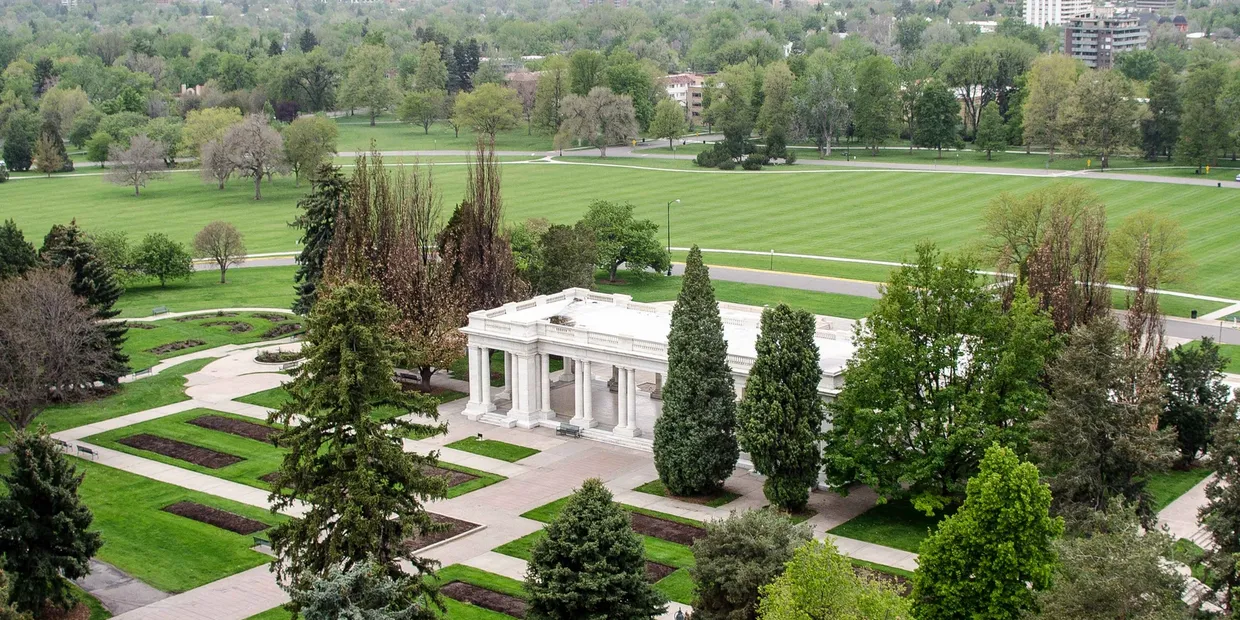
Cheesman Park functions at several scales at once. For nearby residents, it can be everyday walking space, running and exercise space, informal recreation, picnic space, gathering space, and visual relief from surrounding urban density.
At the same time, it is a regional public park that attracts visitors from outside the immediate neighborhood. That broader role can bring more activity, events, vehicle traffic, and seasonal use than a small neighborhood park.
The park’s importance is therefore both practical and spatial. It provides open space, but it also shapes the urban form around it.
Approximately 80 Acres
Large enough to create long views, broad lawn areas, mature tree canopy, substantial pedestrian circulation, and a strong civic presence within a dense residential setting.
The Tree Canopy Matters
Mature vegetation affects more than appearance. Tree canopy can influence shade, perceived temperature, seasonal views, privacy, daylight, pedestrian comfort, and how different floors of a building experience the park.
A lower-floor residence may feel immersed in the canopy while a higher-floor unit may look over it. A detached home beside mature trees may gain summer privacy while losing some direct sightlines.
The phrase “park view” therefore deserves more scrutiny than it usually receives in listing language.
Denver Botanic Gardens
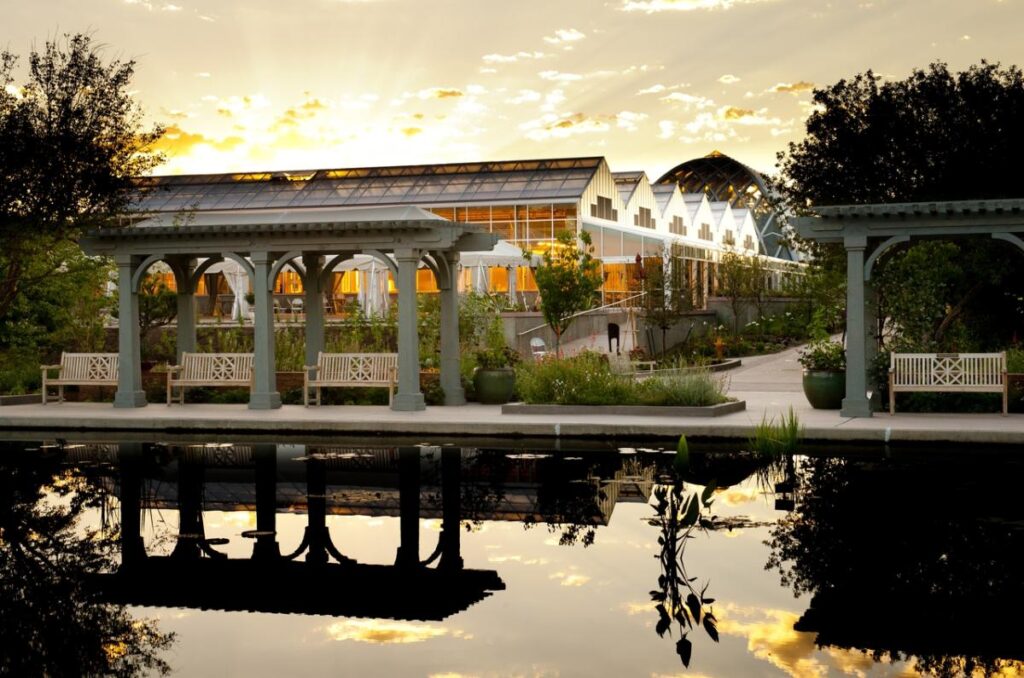
Denver Botanic Gardens’ York Street campus adds another 24 acres of cultivated landscape, horticultural collections, educational spaces, exhibitions, and public programming directly beside Cheesman Park.
For nearby residents, the Gardens can function as a cultural destination, educational resource, event venue, meeting place, and extension of the broader park environment.
It is also a regional destination. Events and visitor activity can periodically increase pedestrian movement, vehicle traffic, and parking demand on nearby streets.
Four Different Relationships to the Park
Rather than describing properties simply as “near Cheesman Park,” ttArch uses four broad analytical relationships. These are not official sub-neighborhoods; they are a practical way to understand how location can change the ownership experience.
Directly faces, backs toward, or otherwise has an immediate relationship to the park.
- Views + openness
- Immediate access
- Public activity
- Privacy + parking considerations
Within roughly a block and often captures much of the access benefit without the same direct exposure.
- Very short walk
- Strong landscape context
- Potentially quieter orientation
Several blocks away but still functionally connected to the park for everyday recreation.
- Easy access
- More separation from events
- Different parking + street conditions
Geographically close but often more strongly influenced by major streets, transit, or commercial activity.
- Transportation access
- More activity
- Traffic + noise exposure
Park Proximity and Property Value
It is tempting to assume that being closer to Cheesman Park automatically produces a predictable price premium. The Atlas should not make that claim without transaction evidence.
Park relationship may influence buyer preference, but other variables can be equally or more important: property type, building era, views, condition, parking, HOA finances, floor level, unit orientation, lot size, historic status, and street exposure.
Park proximity may matter, but the magnitude and consistency of that effect should be demonstrated rather than assumed.
Cheesman Park Is Still Evolving
Denver Parks and Recreation has identified current improvements involving playground renovation, a new picnic area, and pedestrian-walk improvements between the Pavilion and Denver Botanic Gardens.
Because project schedules can change, this information should be reverified during future Atlas maintenance cycles rather than treated as permanent neighborhood data.
Cheesman Park creates one of the most interesting building-to-landscape relationships in central Denver. From an architectural perspective, the important issue is not simply proximity. It is orientation.
A property can sit directly beside the park yet have its primary rooms, windows, balconies, or outdoor areas facing away from it. Another property farther away may gain better light, longer views, or a stronger visual relationship through elevation and orientation.
For park-related properties, I would evaluate site, orientation, floor level, window placement, outdoor space, and landscape together.
Cheesman Park is a good example of why a neighborhood feature that buyers broadly value does not create the same market effect for every property.
A direct park-facing condominium, an interior unit in the same building, a historic detached house beside the park, and a residence three blocks away may all appeal to different buyer priorities.
The better question is not simply, “How close is it to Cheesman Park?” It is, “How does this property actually benefit from—or interact with—the park?”
Daily Life Extends Beyond the Park
Cheesman Park does not have one traditional commercial main street. Everyday life is distributed across smaller neighborhood destinations, 13th Avenue businesses, the Colfax edge, Denver Botanic Gardens, and nearby commercial areas in adjoining neighborhoods.
That pattern makes the useful question less about how many businesses are nearby and more about which destinations a resident would actually use—and how those destinations relate to the specific property.
Everyday Destinations Are Distributed
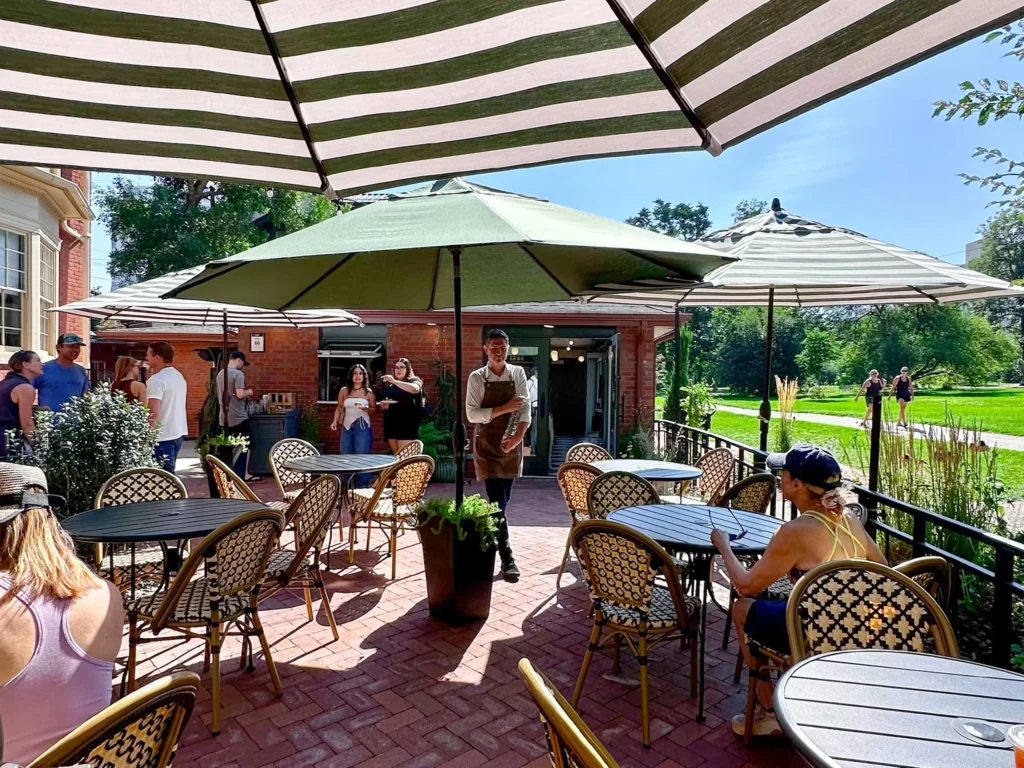
Commercial activity in Cheesman Park tends to appear as smaller clusters and individual neighborhood businesses embedded near residential blocks rather than one continuous retail district.
A residence near East 13th Avenue can therefore have a different relationship to coffee, restaurants, and gathering places than a property near the eastern park edge. Properties closer to Colfax gain access to a much larger commercial corridor but also experience a more active urban street environment.
For the Atlas, those distinctions are more useful than assigning one generic “walkable” label to the entire neighborhood.
The Better Question
Instead of asking whether Cheesman Park “has restaurants” or “has grocery stores,” ask:
Which destinations would I actually use regularly from this exact property?
13th Avenue + Neighborhood-Scale Businesses
East 13th Avenue provides one of Cheesman Park’s clearest examples of neighborhood-scale commercial activity. Rather than functioning as a continuous retail street, it includes individual businesses and small clusters within a largely residential setting.
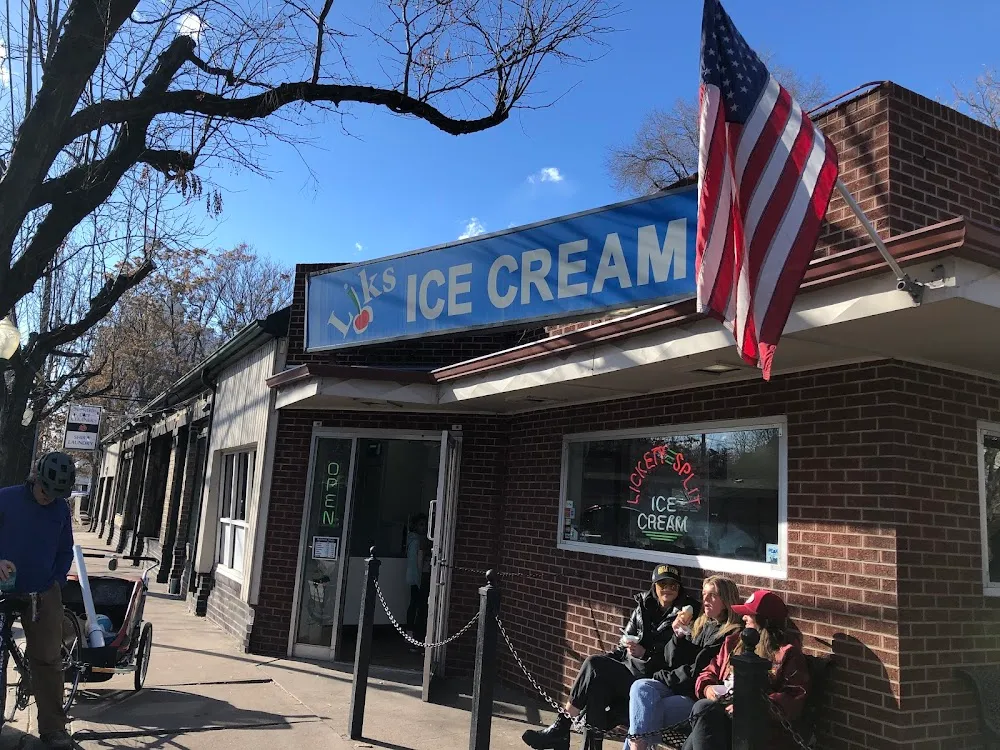
Current examples include neighborhood-serving destinations such as Wild Corgi Pub, Wyman’s No. 5, and Liks Ice Cream. These places matter less as a “best-of” list than as evidence of how daily life is organized here: small local destinations can have an outsized influence on convenience and neighborhood activity.
A Park-Edge Gathering Place
The Carriage House at 1290 N. Williams Street is a current example of a food-and-drink destination directly connected to the edge of Cheesman Park.
That condition is unusual because it brings together public landscape, historic architecture, neighborhood gathering, and everyday commercial use in one place.
Because restaurant and retail turnover is higher than the other neighborhood facts in this guide, businesses like this should be reverified during each Atlas maintenance cycle.
Why It Matters
It illustrates the difference between merely being near commercial activity and having a destination directly integrated into the park edge.
For nearby properties, that may mean both added convenience and periodic increases in pedestrian or parking activity.
Selected Neighborhood Destinations
This is intentionally a curated list, not a directory. The purpose is to show how the neighborhood functions and to distinguish destinations inside Cheesman Park from nearby places residents may still use regularly.
Nearby Counts—If We Label It Honestly
Residents do not stop walking when they cross York, Downing, 8th Avenue, or Colfax. Nearby destinations in Congress Park, Capitol Hill, and adjoining areas can materially affect daily life.
The Atlas should include them when useful—but identify them as nearby, rather than quietly moving them inside Cheesman Park.
Convenience vs. Activity
Commercial access can improve convenience while also introducing restaurant deliveries, evening noise, customer parking, outdoor seating, ride-share activity, or trash collection.
The effect can change dramatically within half a block, which is why commercial proximity should be evaluated as property context, not just as an amenity count.
How to Evaluate Everyday Life From a Specific Property
Coffee, groceries, restaurants, the park, Botanic Gardens, transit?
Distance alone misses crossings, sidewalks, shade, traffic, and activity.
Walking three minutes to a restaurant is different from living beside it.
The goal is not maximum activity or maximum quiet—it is the fit that works for the household.
Neighborhood commercial activity is part of the built environment, not simply a list of amenities.
The relationship between a residence and a nearby restaurant, café, or commercial street depends on building orientation, alley location, entrances, patios, loading areas, windows, setbacks, and landscape buffers.
Two homes the same distance from a restaurant can experience it very differently depending on how each building is positioned.
Real-estate marketing often treats nearby businesses as a universal benefit: “steps to restaurants,” “walk to coffee,” or “close to everything.”
In Cheesman Park, the better question is whether a property has the right relationship to neighborhood activity for the likely buyer.
Some buyers will value immediate access to restaurants, the park, and the Gardens. Others may prefer a quieter interior block and accept a slightly longer walk. That distinction can matter at a very local level without implying that one condition is universally more valuable.
Schools Serving Cheesman Park
School information should be treated as a property-specific fact, not a neighborhood assumption. A school can be physically close to a home without being the school assigned to that address, and Denver Public Schools may use either traditional boundaries or enrollment zones.
For real-estate decisions, the exact address should always be verified using current DPS tools.
The Public Schools Most Relevant to Cheesman Park
Dora Moore Elementary
846 Corona Street
ECE / Kindergarten–Grade 5
Dora Moore is located west of Cheesman Park in Capitol Hill and currently has an elementary relationship to applicable addresses in the broader area.
Its instructional model includes arts integration. Exact school assignment should still be confirmed by address.
Morey Middle School
840 E. 14th Avenue
Grades 6–8
Morey sits immediately north of the Cheesman Park neighborhood and is an important middle-school relationship to investigate for applicable properties.
DPS has identified Dora Moore as lying within the Morey boundary, but the exact residence should still be checked.
East High School
1600 City Park Esplanade
Grades 9–12
East is the major comprehensive DPS high school most relevant to this part of central Denver.
For the Atlas, the accurate approach is to identify East as a key school relationship while still requiring exact-address verification before making a property-specific assignment claim.
Boundary School, Enrollment Zone + SchoolChoice
A traditional boundary school is directly associated with the residence.
Some addresses map to a zone rather than one individual school.
Families may apply to other DPS schools subject to district priorities and space.
Architect Perspective
Schools are part of neighborhood infrastructure, and their physical relationship to housing matters beyond the assignment boundary.
For a Cheesman Park property, I would look at the actual route between home and school: street width, major crossings, sidewalk continuity, traffic, bicycle conditions, and how the school site meets the surrounding neighborhood.
The boundary tells us where a student may enroll. The built environment tells us what the daily trip may actually feel like.
Broker Perspective
School information is one of the clearest examples of why real-estate marketing should distinguish verified property facts from neighborhood shorthand.
A listing should not rely on a neighborhood name, third-party portal, or prior listing to determine assignment. The exact address should be checked using current DPS resources.
For buyers, assignment may affect whether a property meets household needs. For sellers, accurate information prevents an important property characteristic from being overstated or communicated incorrectly.
Connected—But Not the Same on Every Block
Cheesman Park sits within Denver’s central street grid and offers multiple ways to move around the city. Walking, cycling, transit, and driving are all realistic options—but their usefulness depends heavily on the exact property location.
A residence near Colfax, 12th Avenue, Downing, or York can experience a very different transportation environment from a home on a quieter interior block.
Strong access to the park, Botanic Gardens, local businesses, and nearby central-Denver destinations.
Connected to Denver’s broader street and bicycle network, with route quality varying by corridor.
Bus service along nearby corridors creates realistic car-light options for some households.
Central location provides strong city access, but major streets and event periods can change travel conditions.
One of the most property-specific transportation variables in the neighborhood.
Walking
Cheesman Park’s central location and traditional street grid make walking a realistic part of daily life for many residents. The park and Denver Botanic Gardens provide major destinations inside or directly beside the neighborhood, while restaurants, services, and commercial streets lie within or just beyond the statistical boundary.
But walkability is not one number. Sidewalk width, shade, intersection design, traffic volume, route directness, and the position of the specific home all affect whether a destination feels comfortably walkable.
Evaluate the Actual Route
For a specific property, test the routes you would actually use:
Park → groceries → coffee → school → transit → evening dining.
A five-minute walk across a quiet tree-lined block is different from the same distance across a major intersection.
Cycling
Cheesman Park connects into Denver’s central bicycle network through a combination of lower-stress neighborhood streets and larger cross-town corridors.
For cyclists, the practical quality of a route depends on more than whether a bike lane exists. Intersection design, traffic speed, pavement conditions, crossings, and the final approach to the property all matter.
A buyer who expects to commute by bike should test the actual route during normal travel hours rather than relying only on a citywide bicycle map.
Transit
RTD’s current Route 10 along East 12th Avenue provides an important east-west transit connection through the Cheesman Park area. Service patterns and frequency can change, so the Atlas should treat transit information as maintenance-sensitive.
Colfax Avenue also carries major transit service along the neighborhood’s northern edge. For properties near the north side of Cheesman Park, that can improve regional connectivity while also creating a more urban street environment.
Transit Is Property-Specific
Evaluate:
Stop distance
Service frequency
Transfer requirements
Evening/weekend service
The walking route to the stop
Driving + Major Streets
Cheesman Park’s central location provides relatively direct access to Downtown, Capitol Hill, Congress Park, City Park, Cherry Creek, and other central Denver destinations.
But major streets also divide the neighborhood into different mobility environments. A property close to Colfax, York, Downing, 8th Avenue, or 12th Avenue may benefit from faster access while experiencing more traffic movement, turning activity, and vehicle noise.
For drivers, the practical question is often less about regional access and more about how easily the property connects to the larger street network without sacrificing the desired residential setting.
Parking Is a Property Feature
Parking conditions can change significantly by building type, block, and time of day. Rather than treating parking as one neighborhood-wide condition, evaluate the parking arrangement attached to the specific property.
Confirm garage size, alley access, driveway legality, and whether parking improvements were permitted.
Parking may be deeded, leased, assigned, detached from the unit, or absent entirely.
Verify space number, ownership rights, guest parking, garage condition, and HOA rules.
Observe evening, weekend, event, street-sweeping, and visitor conditions before assuming availability.
Park + Gardens Events Can Change Mobility Temporarily
Large park events, Denver Botanic Gardens programs, races, concerts, and other scheduled activities can temporarily affect traffic, transit routes, pedestrian activity, and parking.
These conditions should not be mistaken for normal daily operations, but they are worth considering for properties immediately adjoining major event destinations.
Transportation should be evaluated as part of the site context. Street width, setbacks, entrances, garage access, alley conditions, major intersections, tree canopy, and the orientation of windows and outdoor spaces all influence how a property experiences nearby movement.
A home one block from a major street can feel surprisingly quiet if the building is well positioned. Another property the same distance away may have living spaces or balconies directly exposed to traffic.
Transportation convenience is rarely one-dimensional. A buyer who values car-light living may prioritize proximity to transit and everyday destinations. Another may place far more value on a deeded garage space and easy regional driving access.
In Cheesman Park, parking arrangement, street exposure, transit access, and the quality of the walking environment can all affect marketability—but the importance of each variable depends on the property type and likely buyer.
08 · MARKET ANALYSIS
Two Housing Markets Under One Neighborhood Name
Cheesman Park’s headline neighborhood statistics combine properties that often compete in very different markets. The largest distinction is between condominiums and detached single-family homes.
A roughly $400,000 neighborhood median can be useful for broad context, but it does not describe the market for a historic detached house—and even within the condominium market, building era, HOA condition, parking, floor level, views, and unit size can materially change the competitive set.
MARKET 01 · CONDOMINIUMS
Cheesman Park Condominium Market
Condominiums account for much of Cheesman Park’s transaction activity. The current observable sample also shows why the condo market itself contains several competitive tiers—from compact older units to large park-oriented residences.
What the Condo Median Hides
The observed condo transactions span from sub-$200,000 units to residences above $1.5 million.
A small walk-up unit should not be compared primarily with a large elevator-building residence simply because both are condominiums in Cheesman Park.
The Building Is Part of the Comparable
For a condominium, comparison should usually consider building era, HOA dues, reserves, insurance, elevators, parking, balconies, common systems, unit orientation, floor level, views, and upcoming capital work.
MARKET 02 · DETACHED SINGLE-FAMILY
Cheesman Park Detached-Home Market
Detached homes form a much smaller and more specialized market. Individual transactions can differ dramatically in scale, historic status, condition, lot configuration, parking, renovation quality, and relationship to the park.
Why I Would Use a Longer Window for a Specific Detached Home
Four current transactions are enough to demonstrate that detached houses operate in a very different price environment from condominiums, but they are not enough to establish a reliable short-term trend.
For an actual pricing or purchasing decision, I would expand the detached-home search to approximately 24–36 months and then narrow the resulting sales by size, condition, historic context, parking, lot and park relationship.
Why These Markets Should Never Be Blended
HOA finances, reserves, insurance, elevators, façade, roof, plumbing, parking and capital planning influence value.
Lot, architecture, renovation quality, historic status, garage, structure, systems and site relationship dominate comparison.
Floor level, orientation, balcony, views, privacy and adjacency to common areas can create large price differences.
A few unusually large or renovated homes can materially shift a short-term median.
Park Relationship Is a Comparable Variable—not a Fixed Premium
Direct park frontage, open views and convenient access can influence buyer preference, but the available evidence does not justify applying one universal percentage premium.
For condominiums, park relationship is often intertwined with floor level, orientation, size, renovation and building quality. For detached homes, park-edge properties may also differ in lot, architecture, scale and historic significance.
City and County of Denver: Real Property Residential Characteristics; Real Property Sales and Transfers; Denver Property Search.
Current-market cross-check: publicly visible Cheesman Park recently sold records and neighborhood market calculations based on MLS and/or public-record data.
Verified: August 2026.
Current recent-sales tables are descriptive samples rather than a complete appraisal dataset. Property-specific valuation should use verified comparable transactions appropriate to the property type, building and site.
The physical asset being purchased is fundamentally different in these two markets.
A condominium buyer owns a unit plus an interest in a shared building. A detached-home buyer assumes responsibility for the building and site much more directly.
Those differences belong in the comparable-sale analysis, not just in the inspection process.
The most important market question in Cheesman Park is usually not “What is the neighborhood median?”
It is “What would the likely buyer of this property realistically consider instead?”
For a condo, that often means identifying competing buildings. For a detached home, it means comparing architecture, scale, condition, parking, historic context, site and park relationship.
Buying Well Requires More Than Choosing the Neighborhood
Cheesman Park offers a wide range of ownership experiences within a relatively compact neighborhood. A historic detached house, prewar condominium, mid-century apartment conversion, and larger park-facing condominium may all share the same neighborhood name while requiring very different due diligence.
The strongest buying process therefore moves from neighborhood fit to property-type fit and finally to the specific building, site, and ownership structure.
Start With the Property Type
Before focusing on finishes, staging, or even price, identify what kind of ownership structure you are evaluating.
A detached historic house puts most building responsibility directly on the owner. A condominium transfers some responsibilities to an association but adds shared financial, maintenance, insurance, and governance considerations.
That distinction determines what documents matter, what inspections deserve emphasis, what future costs may arise, and which comparable sales are truly relevant.
First Question
What exactly am I buying?
A house and its site?
A condominium unit plus a proportional interest in a larger building?
An attached property with shared walls or a small HOA?
The answer changes the entire due-diligence process.
Evaluate the Exact Relationship to Cheesman Park
“Near Cheesman Park” is too broad to describe a property accurately.
Determine whether the residence fronts the park, backs toward it, overlooks it, sits one block away, or simply lies within walking distance. Then evaluate what that relationship means for the specific home or unit.
Important variables include view direction, floor level, tree canopy, window orientation, balcony position, daylight, privacy, public activity, event exposure, and parking.
Verify Historic Status Before Planning Renovations
Do not assume that an older or architecturally distinctive house is landmarked, and do not assume that a property outside an obvious historic streetscape is unrestricted.
Check the exact address for individual landmark status or inclusion in a local historic district before planning exterior work.
If future additions, windows, roofing, exterior mechanical work, or façade changes are important to your ownership plans, historic review should be understood before purchase, not after design work has begun.
Before You Assume You Can Alter It
Verify:
Historic district status
Individual landmark status
Prior exterior alterations
Prior approvals
Permit history
Design-review implications
Buy the Building Too
The interior of a condominium may be beautifully renovated while the larger building faces deferred maintenance or major capital work. The reverse is also possible: a dated unit may sit in a financially strong, well-maintained building.
In Cheesman Park, where condominium buildings span multiple eras, buyers should evaluate both the unit and the shared building asset.
Budget, reserves, delinquencies, operating history, and financial trends.
Current, approved, discussed, or recently completed assessments.
Master policy, deductibles, claims history, and owner coverage requirements.
Roof, façade, balconies, elevators, plumbing, garages, windows, and mechanical systems.
Deeded, assigned, leased, limited common element, or street-based.
Floor, orientation, adjacent common areas, views, exposure, and privacy.
Treat Parking as a Legal + Physical Feature
Confirm what the property actually conveys. A parking space may be deeded, assigned, leased, a limited common element, shared, or not included at all.
For older garages, also confirm dimensions, access, alley condition, electrical capacity, and whether the space works for the buyer’s actual vehicle.
Visit the Block at Different Times
A mid-morning showing does not necessarily reveal evening parking demand, weekend park activity, restaurant traffic, or event conditions.
For a property where street conditions matter, revisit at the times you are most likely to be home.
Older Homes: Look for Evolution, Not Just Age
The most important question about an older Cheesman Park home is not simply how old it is. It is how it has evolved.
Look for the relationship between original construction and later work: additions, structural modifications, window replacements, kitchen and bath renovations, HVAC upgrades, electrical work, plumbing replacements, drainage improvements, roofing, and exterior alterations.
A well-coordinated modernization can improve long-term ownership. A series of disconnected renovations may introduce conflicts that are not obvious during a first showing.
Compare the Property to Its Real Alternatives
A nearby sale is not automatically the best comparable.
For a condominium, ask which other buildings a buyer would realistically consider. For a historic detached property, focus on homes with similar scale, condition, parking, architecture, and site context.
The strongest pricing analysis reflects the same buyer decision, not merely the shortest geographic distance.
Cheesman Park Property Review Checklist
Use this as a starting framework for a property-specific review. Not every item applies equally to every home, but together they capture the issues that most often distinguish one Cheesman Park ownership experience from another.
Detached, condo, attached, or another ownership form?
What construction and maintenance questions does the era suggest?
Landmark, historic district, contributing property, or neither?
Fronting, backing, overlooking, adjacent, or simply nearby?
What exactly conveys, and how practical is it?
Roof, façade, structure, plumbing, mechanical, elevators, balconies, drainage.
If applicable: reserves, insurance, assessments, capital plans, and governance.
Observe traffic, parking, events, commercial activity, and evening conditions.
Compare against properties competing for the same likely buyer.
Does the building, block, and responsibility structure match how you want to live?
In Cheesman Park, I would rarely evaluate a property without first identifying its building era, site relationship, and construction type.
Those three things help determine what to inspect more carefully, what may require future capital investment, and whether renovations are solving the right problems.
The architecture is not simply part of the neighborhood’s visual appeal. It is part of the ownership responsibility.
The biggest buying mistake in Cheesman Park may be treating the neighborhood name as enough information.
A better decision asks three separate questions: Do I want Cheesman Park? Do I want this property type? Do I want this particular building and block?
When all three answers align, the property is much more likely to fit both the buyer’s lifestyle and the realities of long-term ownership.
Selling Well Means Explaining the Right Property Story
Cheesman Park’s diversity makes seller positioning unusually important. Buyers may be comparing a historic detached home against another older central-Denver house, or comparing one condominium building against a very different building only a few blocks away.
The goal is not to make the property sound like every other Cheesman Park listing. It is to explain what makes this property different, which buyer is most likely to value those differences, and what evidence supports the price.
Start With the Real Competitive Set
A neighborhood median is not a pricing strategy.
For a detached home, the strongest comparables may be similar houses with comparable scale, condition, parking, historic context, and site relationship. For a condominium, buyers may compare buildings based on era, HOA structure, amenities, parking, views, floor level, and capital-project exposure.
The best comparable sale is usually the one that represents the same buyer decision, not simply the closest address.
Pricing Question
What would a serious buyer consider instead of this property?
That question usually produces a more useful competitive set than simply drawing a radius around the home.
Describe the Park Relationship Precisely
“Near Cheesman Park” communicates very little. “Park-facing,” “directly backing to the park,” “overlooking the canopy,” “one block from the park,” and “short walk to the park” describe materially different conditions.
If views are part of the property story, document what is actually visible from the primary living spaces, bedrooms, balcony, or outdoor areas. Avoid implying that every unit in a park-adjacent building has the same relationship.
Precise language improves both credibility and buyer expectations.
Document Improvements
For older homes, buyers may want to understand more than visible finishes. Assemble records for meaningful work such as roof replacement, electrical upgrades, plumbing, HVAC, windows, masonry, drainage, structural work, additions, and major renovations.
Permit records, invoices, plans, warranties, and contractor information can make the property easier to evaluate.
Use Historic Language Accurately
“Older,” “historic character,” “contributing,” “located in a historic district,” and “individually landmarked” do not mean the same thing.
If preservation status affects the property, verify it and explain it accurately. This improves trust and helps buyers understand potential renovation considerations before they write an offer.
Prepare the Building Story Before Going to Market
Buyers are not purchasing only the unit. They are also purchasing into the financial and physical condition of the condominium association.
A strong listing process should anticipate the building questions a careful buyer is likely to ask rather than waiting for them to appear during the contract period.
Current budget, reserves, operating history, delinquencies, and financial statements.
Master policy, deductibles, material changes, and recent claims if applicable.
Current, recently completed, approved, or actively discussed assessments.
Roof, façade, balconies, elevators, garage, plumbing, windows, and major mechanical work.
Exactly what conveys and how ownership or assignment is documented.
Floor, orientation, views, outdoor space, privacy, and adjacency to common areas.
Assemble Documents Early
Missing records create uncertainty. Uncertainty can slow decision-making or cause buyers to assume risk that may not actually exist.
Prepare HOA documents, permits, renovation records, warranties, parking documents, historic approvals, and other material information before launch whenever possible.
Explain Parking Clearly
Do not leave buyers guessing whether a parking space is deeded, assigned, leased, a limited common element, or simply customarily used.
If garage dimensions, alley access, EV charging, guest parking, or tandem arrangements matter, explain them accurately before the buyer has to discover them during due diligence.
What Buyers May Evaluate Before They Ever See the Interior
Traffic, commercial activity, tree canopy, street character, and parking.
Era, architecture, exterior condition, entrances, common areas, and maintenance.
Direct frontage, view, orientation, access, privacy, and event exposure.
Garage, deeded space, assignment, street dependence, and convenience.
Designation, architectural character, and potential future renovation constraints.
For condos: dues, reserves, insurance, assessments, and major capital work.
Cheesman Park Seller Preparation Checklist
Identify the properties a likely buyer would seriously compare against yours.
Fronting, backing, overlooking, adjacent, or nearby—use precise language.
Gather permits, invoices, warranties, plans, and records for meaningful work.
Confirm designation and any applicable review history or approvals.
Explain exactly what conveys and how it is documented.
For condos: financials, reserves, insurance, assessments, and capital projects.
Roof, façade, elevators, balconies, plumbing, mechanical, garage, and other shared systems.
Floor, orientation, views, exposure, privacy, outdoor space, and common-area adjacency.
Highlight meaningful features, improvements, or conditions not obvious from portal data.
Position the property based on what the target buyer can realistically choose instead.
For an architecturally distinctive or older Cheesman Park property, presentation should help a buyer understand the building—not simply admire it.
Document meaningful improvements, clarify what is original versus altered, explain unusual construction or site conditions, and identify major work that has already been completed.
The strongest property story connects design character with the realities of ownership and maintenance.
The most effective positioning usually comes from defining the likely buyer before defining the marketing message.
What will that buyer compare? Which property characteristics will matter most? What questions could slow the decision? Which features justify the asking price?
In Cheesman Park, accurate differentiation is more useful than generic neighborhood promotion because the housing stock is too varied for one story to fit every property.
Frequently Asked Questions About Cheesman Park
These answers focus on the questions that most often affect neighborhood fit, property evaluation, renovation, ownership, and resale. When a question depends on a specific address, building, school boundary, HOA, or historic designation, the property itself should always be verified.
01 · What are the official boundaries of Cheesman Park?
For the Neighborhood Atlas, ttArch uses Denver’s official statistical-neighborhood geography as the primary study area: East Colfax Avenue to the north, York Street to the east, East 8th Avenue to the south, and Downing Street to the west.
Residents may use the name “Cheesman Park” more loosely in conversation, but the official boundary gives the guide a consistent geographic basis.
02 · Is Cheesman Park mostly houses or condominiums?
Neither description works by itself. Cheesman Park contains a meaningful mix of historic detached houses, prewar apartment and condominium buildings, mid-century multifamily properties, larger condominium buildings, and later infill.
That diversity is one reason the neighborhood should not be treated as one uniform housing market.
03 · What is it like to live directly next to Cheesman Park?
Direct park access can provide open views, mature landscape, recreation, and a strong sense of connection to one of Denver’s major public spaces.
It can also mean more pedestrian activity, periodic events, changing parking demand, and different privacy conditions. Floor level, orientation, tree canopy, window placement, and the exact relationship between the building and park all matter.
04 · Is Denver Botanic Gardens actually in Cheesman Park?
Denver Botanic Gardens’ York Street campus sits directly beside Cheesman Park along the eastern edge of the neighborhood context. The 24-acre campus functions as a major cultural, educational, and landscape destination for nearby residents as well as visitors from across the region.
05 · Are there historic districts in Cheesman Park?
Yes. Historic preservation is particularly relevant in areas including Morgan’s Subdivision and portions of the Wyman Historic District.
However, historic-looking, old, contributing, individually landmarked, and located within a historic district are different conditions. Always verify the exact property address.
06 · Can I renovate an older Cheesman Park home freely?
That depends on the property. An older home that is not individually landmarked and is outside a local historic district may have more flexibility, subject to normal zoning and permitting requirements.
If the property is individually landmarked or within a local historic district, certain exterior changes may require Landmark Preservation design review. Buyers considering substantial renovation should verify this before purchasing.
07 · What schools serve Cheesman Park?
Schools commonly relevant to Cheesman Park addresses include Dora Moore Elementary, Morey Middle School, and East High School.
School boundaries, grade configurations, enrollment zones, and SchoolChoice rules can change. The exact property address should be verified using current Denver Public Schools resources.
08 · Is parking difficult in Cheesman Park?
Parking varies substantially by block and property type. A detached home may have a private garage, while an older condominium may rely on an assigned or deeded space—or have no off-street parking at all.
Street conditions can also change by time of day, park activity, nearby restaurants, and events. Parking should be evaluated as a property feature rather than one neighborhood-wide condition.
09 · Is Cheesman Park walkable?
Many properties have strong walking access to the park, Denver Botanic Gardens, neighborhood businesses, transit, and nearby central-Denver destinations.
But “walkability” depends on the exact location and route. A short walk across a quiet shaded block can feel very different from the same distance across a major street or intersection.
10 · How should I compare condominium buildings in Cheesman Park?
Do not compare units on interior finishes and square footage alone. Evaluate the building itself.
Relevant factors can include building era, HOA financials, reserves, insurance, assessments, elevators, façade condition, balconies, roof, plumbing, parking, amenities, floor level, orientation, and unit position.
The unit and the shared building are both part of the ownership decision.
11 · Does being closer to Cheesman Park automatically increase a property’s value?
Not in a simple or universal way. Park proximity may influence buyer preference, but the market effect can depend on property type, views, orientation, floor level, condition, parking, HOA quality, building era, lot size, and street exposure.
A park premium should be demonstrated through comparable transaction evidence rather than assumed.
12 · What is the best way to compare home values in Cheesman Park?
Start with the property’s true competitive set.
For a detached home, compare houses with similar scale, condition, parking, architecture, and site context. For a condominium, look for units in buildings that a buyer would realistically consider as alternatives based on era, HOA structure, amenities, parking, and unit position.
The closest sale is not always the best comparable. The most useful sale is the one that represents the same buyer decision.
Many Cheesman Park questions become clearer once the discussion moves from the neighborhood name to the physical property.
Building era, construction type, site orientation, historic status, alterations, and shared systems can matter more to long-term ownership than broad neighborhood descriptions.
The recurring theme is specificity. School assignment, parking, historic status, park relationship, market value, and condominium quality all become property-specific very quickly.
Good real-estate advice should narrow the question from “What is Cheesman Park like?” to “What does this particular property mean for this particular buyer or seller?”
Cheesman Park Is Easy to Appreciate. The Real Estate Decisions Are More Nuanced.
Cheesman Park has broad appeal for obvious reasons: a major historic park, Denver Botanic Gardens, mature landscaping, central location, distinctive architecture, and a strong mix of urban residential environments.
But those strengths do not make every property in the neighborhood interchangeable. In my view, the best decisions here come from understanding how neighborhood, block, property type, building, and market fit together.

My Perspective on Cheesman Park
Cheesman Park works because several very different layers overlap in a relatively small area.
The park creates landscape and openness. Historic residential blocks provide architectural continuity and mature streetscapes. Multifamily buildings create density and housing variety. Denver Botanic Gardens adds a cultural and landscape institution that few Denver neighborhoods have immediately beside them.
That variety is also why buyers and sellers should resist broad assumptions.
A historic house on a quiet block, a prewar condominium near 13th Avenue, and a higher-floor unit overlooking the park can represent three very different ownership experiences and three different competitive markets.
The neighborhood gives you context. The property gives you the decision.
I see Cheesman Park as a neighborhood where landscape, building era, and density overlap unusually clearly.
That means ownership questions are often architectural questions too: How was the building constructed? How has it changed? How does it meet the site? What systems are shared? What maintenance is approaching? How does orientation affect light, views, privacy, and the park relationship?
A visually appealing building can still be a poor ownership fit if the physical realities are not understood.
From a market perspective, the important question is usually who is the likely buyer, and what else will that buyer consider?
That is why I would not price a condominium primarily from a neighborhood median or compare a historic house with every nearby detached sale.
Property type, building quality, parking, views, HOA condition, historic status, block context, and park relationship all influence the competitive set.
Who Cheesman Park May Fit
Cheesman Park may be especially appealing if several of the following qualities match how you want to live.
You value immediate access to a significant urban park.
Established tree canopy and older streetscapes matter to you.
You want convenient access to central Denver destinations.
You appreciate older homes and buildings with architectural character.
You want a wider range of multifamily ownership choices than many nearby neighborhoods provide.
You value cultural and landscape amenities immediately nearby.
You prefer the ability to walk to recreation, local businesses, transit, and nearby districts.
You like density and activity without living entirely inside a commercial district.
A Five-Layer Decision Framework
When I evaluate a Cheesman Park property, I find it useful to move through five layers rather than jump directly from neighborhood name to price.
Does Cheesman Park broadly fit your priorities?
What are the traffic, landscape, activity, parking, and street conditions?
Detached, condo, attached, historic, mid-century, or another ownership structure?
How do condition, systems, orientation, parking, HOA, and park relationship affect ownership?
What would the likely buyer compare this property against?
Architecture + Real Estate, Applied to the Same Decision
My work combines the perspective of a licensed architect with the market experience of a Denver residential real-estate broker.
If you are considering a Cheesman Park property, I can help you evaluate the building, site, market position, ownership structure, and likely tradeoffs together—before reducing the decision to price alone.