Capitol Hill Neighborhood Guide
An architect- and real estate-informed guide to Capitol Hill—covering history, architecture, historic preservation, parks, restaurants and shops, transportation, schools, Colfax BRT, market conditions, ownership considerations, and the block- and building-level differences that matter.
Your Capitol Hill Roadmap
Use the guide from beginning to end, or choose the part that matches your current question. Each section is designed to explain how Capitol Hill works as a place, how its buildings and urban context differ, and where property-specific judgment becomes important.
Understand the Place
Start with geography, neighborhood character, history, architecture, and preservation. These sections explain why Capitol Hill cannot be understood as one uniform residential environment.
Experience the Neighborhood
Explore parks, everyday destinations, schools, transportation, and the infrastructure changes shaping daily life. These sections help translate neighborhood context into lived experience.
Make the Real Estate Decision
Use market evidence, buyer and seller frameworks, and property-level due diligence to decide how a specific Capitol Hill opportunity fits your goals.
Not sure where to begin? Start with Part One to understand how Capitol Hill is organized. Already evaluating a specific property? Jump to Part Three for market analysis, buying considerations, and seller strategy.
Capitol Hill at a Glance
Capitol Hill occupies a relatively compact part of central Denver, yet it contains an unusually broad range of buildings and urban conditions. Historic houses and mansions sit near early apartment buildings, mid-century multifamily properties, contemporary condominiums, churches, schools, offices, restaurants, cultural institutions, and heavily traveled commercial corridors.
That variety is central to understanding the neighborhood.
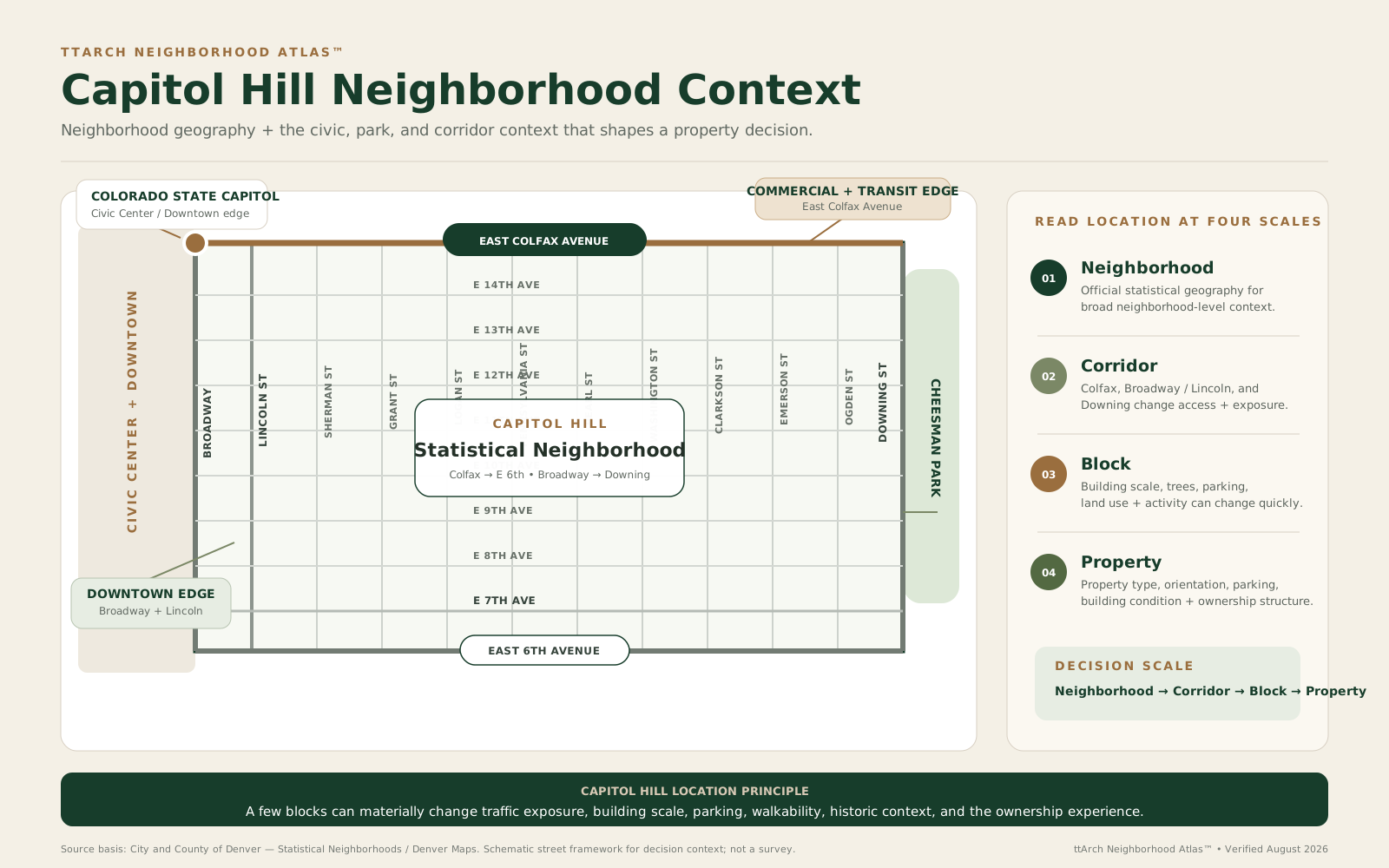
Colfax → 7th
Broadway → Downing
Historic + Multifamily
Houses, condos, apartments, townhomes, and conversions
Dense + Layered
Residential streets, major corridors, institutions, and commercial edges
Late 19th Century → Today
Mansion-era development through contemporary infill
Central Denver
Downtown, transit, major corridors, and nearby neighborhood destinations
Multiple Competitive Sets
Property type and building context matter more than one neighborhood median
Geographic note: The term “Capitol Hill” is often used more broadly in everyday Denver conversation than the city’s statistical boundary. For this guide, ttArch uses the official statistical neighborhood as the primary study area. Important destinations immediately outside the boundary may still be included when they materially affect daily life, but they are identified as nearby rather than represented as being inside Capitol Hill.
ARCHITECT + REALTOR PERSPECTIVE: Capitol Hill is best understood as a collection of overlapping urban conditions rather than one uniform residential environment. A neighborhood-level statistic may provide useful context. A block-level observation may tell you more. And for many Capitol Hill properties—especially condominiums and older buildings—the building itself may be the most important level of analysis.
One Neighborhood. Several Very Different Property Contexts.
Capitol Hill does not need artificial sub-neighborhoods. What matters more is how street hierarchy, building scale, land use, historic fabric, transportation, parking, and commercial activity combine around a specific property.
These overlapping urban environments can create very different ownership experiences within only a few blocks.
Interior Residential Blocks
Historic houses, smaller multifamily buildings, mature streets, and less direct exposure to major corridors can create a distinctly more residential experience.
Apartment + Condominium Blocks
Higher density brings more building-era variation, shared systems, HOA considerations, unit-position differences, and parking complexity.
Colfax Edge
Restaurants, entertainment, transit, and BRT access can increase convenience while also increasing traffic, activity, noise, and future-change exposure.
Broadway + Lincoln Edge
Direct downtown connectivity and larger-scale urban development create a different property environment from interior residential streets.
6th Avenue Edge
Strong east-west access can be useful, but direct exposure to a major street can materially change noise, pedestrian conditions, and property access.
Historic + Landmark Context
Historic appearance and legal designation are different questions. Preservation status can overlay any of the environments above.
ARCHITECT + REALTOR PERSPECTIVE: The quality of an interior block is created by the relationship among buildings—not merely by whether the buildings are old. Height, spacing, setbacks, vegetation, front entrances, window orientation, and transitions between larger and smaller buildings can materially affect daylight, privacy, and how the street feels.
Physical proximity does not automatically create comparability. In Capitol Hill, two properties only a few blocks apart may compete in different markets because of building era, parking, HOA structure, corridor exposure, condition, and unit position.
A Neighborhood Built in Layers
Capitol Hill’s present-day complexity makes more sense when viewed as the accumulation of several distinct periods of Denver’s development. The neighborhood did not begin as today’s mix of mansions, apartments, condominiums, institutions, restaurants, offices, and commercial corridors—it evolved into that condition.
Each development era left behind a different kind of building, and often a different kind of ownership decision.
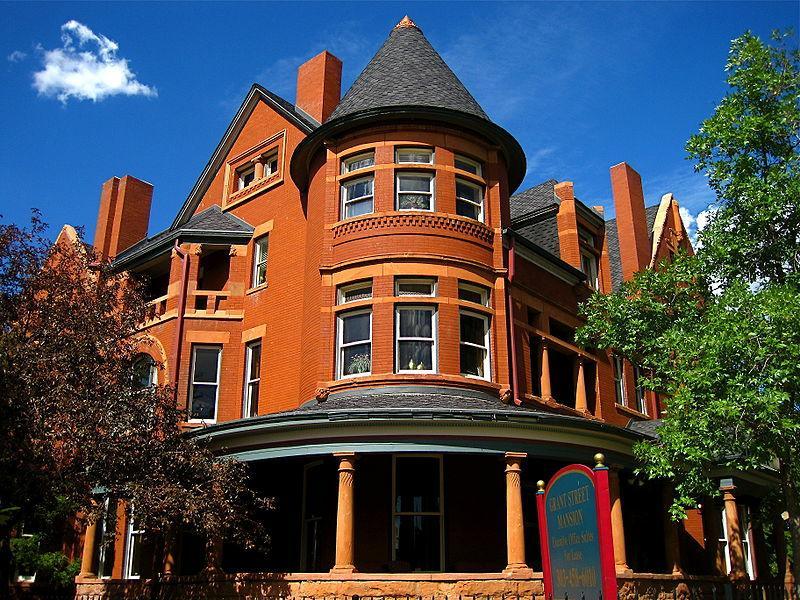
Mansion-era Capitol Hill reflects the neighborhood’s late-19th-century development as one of Denver’s most prominent residential districts.
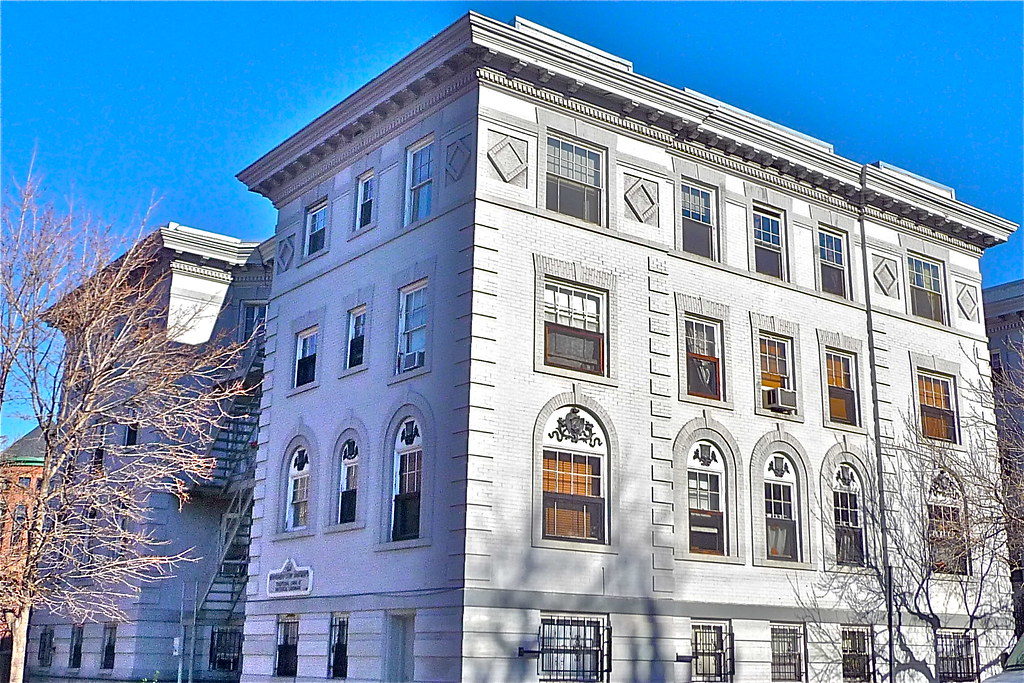
Early apartment buildings illustrate Capitol Hill’s shift toward denser urban housing in the early 20th century.
ARCHITECT + REALTOR PERSPECTIVE:
Capitol Hill’s history matters because a building’s current use may not be its original use. A large house divided into multiple residences can carry questions about circulation, sound separation, utilities, structural changes, permits, and how successfully the building was adapted.
Capitol Hill’s history is visible in its real estate. Each development era left behind a different kind of building—and often a different kind of ownership decision.
Denver Expands East
Denver's growth and the selection of the Capitol site helped pull development eastward. Construction on the Colorado State Capitol began in 1886 as residential growth was already taking shape around it.
The Mansion Era
Prominent Denver households built substantial residences along Lincoln, Grant, Sherman, Logan, Pennsylvania, Colfax, and nearby streets.
The Neighborhood Becomes More Urban
Streetcars, population growth, and apartment construction introduced denser residential forms and changed how Capitol Hill related to downtown.
Commerce, Apartments + Conversion
Colfax became increasingly commercial, while larger residences were converted, adapted, or replaced by apartments, offices, and other urban uses.
Demolition + Preservation
Mid-century redevelopment and demolition removed portions of Denver's historic fabric, helping generate stronger preservation efforts in later decades.
Neighborhood Activism + Continued Change
Residents organized around street design, preservation, and neighborhood character. Capitol Hill continues to evolve through transit investment, adaptive reuse, infill, and new development.
Capitol Hill Is an Architectural Cross-Section of Denver
Few Denver neighborhoods contain such a concentrated record of changing residential architecture. Capitol Hill includes late-19th-century houses and mansions, early apartment buildings, courtyard buildings, Art Deco and Art Moderne multifamily properties, mid-century towers, converted residences, townhomes, condominiums, and contemporary infill.
For buyers and owners, architectural character is only the beginning. Building era often provides clues about structure, mechanical systems, windows, parking, accessibility, maintenance, and renovation complexity.
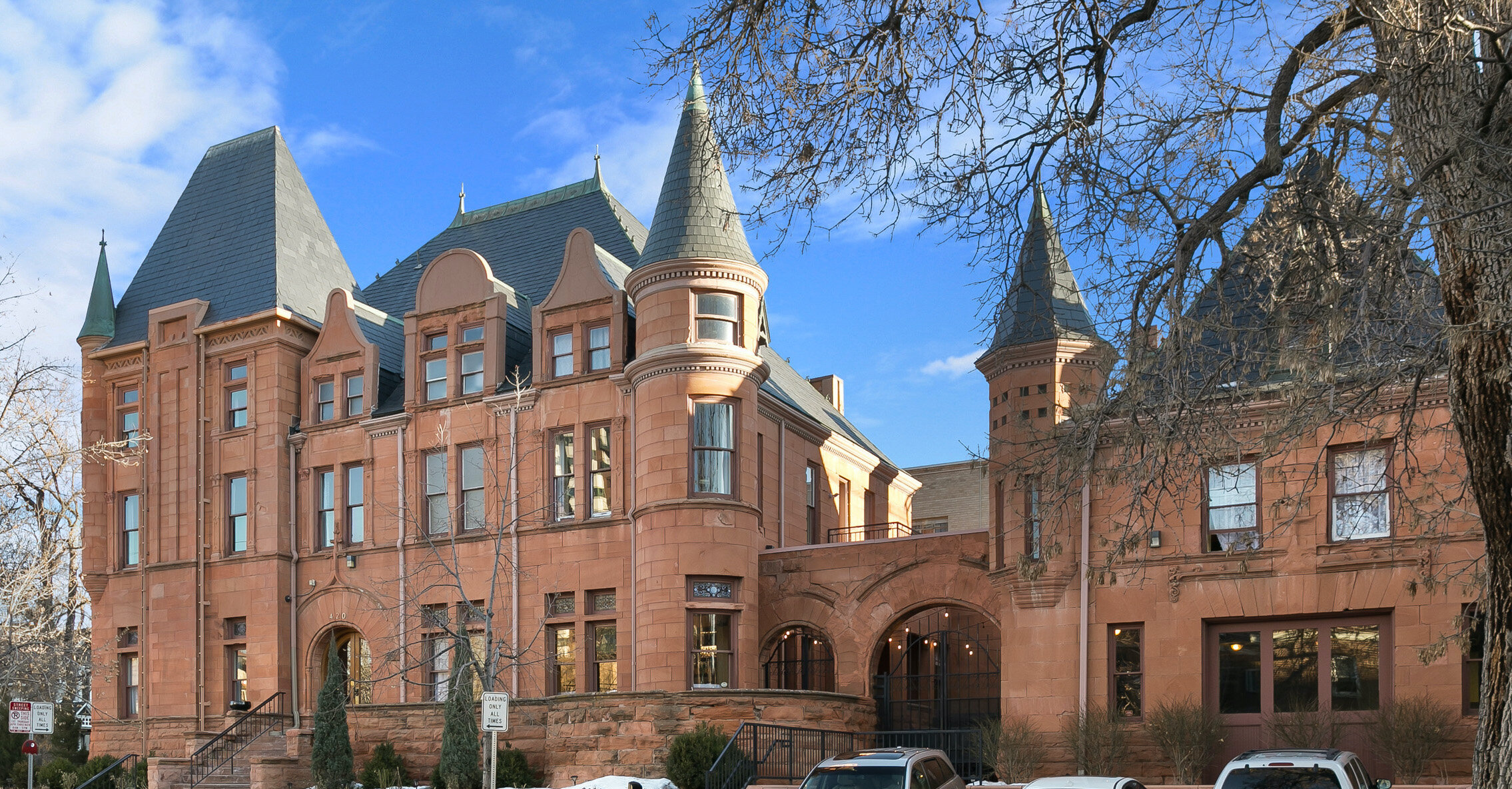
Croke-Patterson-Campbell Mansion – Late-19th-century residences help define Capitol Hill’s architectural identity, but many have also experienced substantial changes in use over time.
Historic Detached Houses + Mansions
Capitol Hill's oldest residential layer includes substantial masonry houses and smaller detached residences from the late 19th and early 20th centuries.
Early Apartment Buildings
Purpose-built apartment houses introduced denser urban living while often retaining traditional materials, proportions, and craftsmanship.
Courtyard + Prewar Multifamily
Courtyard and smaller prewar buildings can offer strong architectural character, human-scale common space, and efficient urban locations.
Mid-Century Multifamily
Postwar buildings introduced different structural systems, larger windows, elevators, balconies, parking configurations, and sometimes taller residential scale.
Converted Houses + Mansions
Some older residences were divided into apartments or condominiums, creating properties where original architecture and later alterations overlap.
Townhomes + Contemporary Infill
Newer attached housing can provide garages, modern systems, private outdoor space, and more contemporary layouts—but often on tighter urban sites.
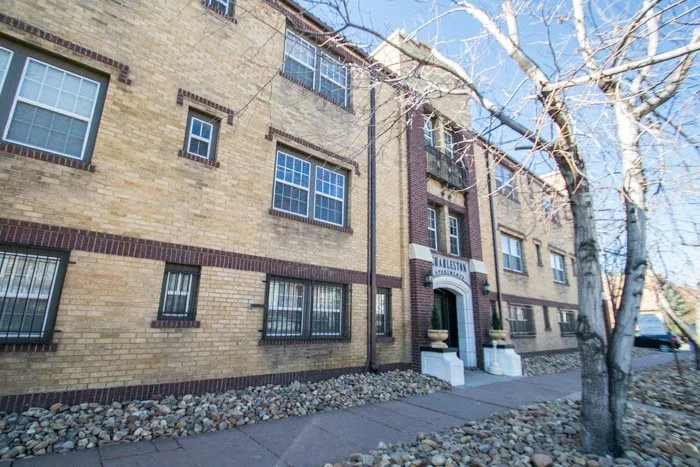
Early multifamily buildings represent Capitol Hill’s transition from primarily detached residential development toward denser urban housing.
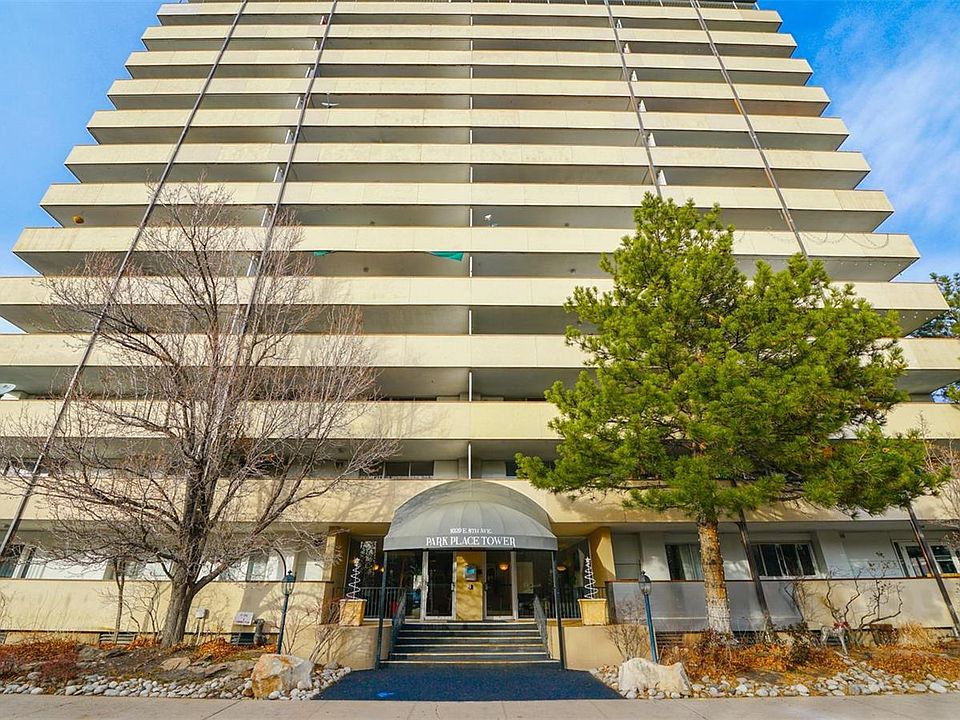
Later development introduced larger building footprints and taller residential forms, creating another distinct layer of Capitol Hill’s housing stock.
ARCHITECT + REALTOR PERSPECTIVE:
Architectural style can help identify a building’s era, but style alone does not tell you how well the building performs. Two visually similar properties may differ substantially in structure, previous alterations, water management, mechanical systems, windows, insulation, maintenance history, and renovation quality.
In Capitol Hill, the visible unit is only part of what you are buying. For a condominium, the building’s condition, finances, common systems, insurance, parking arrangement, and upcoming capital needs can be just as important as the finishes inside the residence.
Capitol Hill’s architectural diversity is one of its greatest strengths—and one reason generic property comparisons can be misleading. Understand the building era, construction, alterations, ownership structure, and unit position before deciding what a property is worth to you.
Historic Character and Historic Regulation Are Not the Same Thing
Many Capitol Hill properties look historic. That does not automatically mean they are legally protected historic properties. Denver distinguishes among older architecture, individually designated landmarks, properties inside local historic districts, and properties with no local designation.
For buyers and owners considering exterior work, the distinction can matter before renovation plans are made.
Historic Architecture
A building may be old, architecturally distinctive, or associated with neighborhood history without being locally designated.
Individual Landmark
An individual property may be formally designated for architectural, historical, geographic, or other recognized significance.
Historic District
A local historic district protects a group of properties and their collective architectural or historical context.
Preservation Geography Is Property-Specific
Several Denver local historic districts intersect or directly relate to the Capitol Hill study area. The map is for orientation only; designation should always be verified by address.
What designation can affect: Denver Landmark Preservation reviews qualifying exterior work on designated landmarks and properties within local historic districts. Depending on the property and scope, this can include windows, doors, roofing, exterior materials, additions, garages, site alterations, new construction, and demolition.
The exact review requirements depend on the property, its designation, and the proposed work. The guide should therefore treat preservation as a due-diligence question—not as a blanket statement that a historic property either can or cannot be changed.
ARCHITECT + REALTOR PERSPECTIVE:
Preservation is often discussed only as a restriction. That is incomplete. Historic designation can limit certain exterior changes, but it can also help preserve the architectural context that made the property attractive in the first place. The value of that tradeoff depends on the owner’s priorities and renovation plans.
Historic status should not automatically be marketed as either a benefit or a problem. One buyer may value protected architectural continuity; another may find that proposed alterations are incompatible with the property. Accurate disclosure helps the right buyer understand the tradeoff earlier.
Small Urban Parks Carry More Weight in a Dense Neighborhood
Capitol Hill’s open-space story is fundamentally different from neighborhoods organized around a large central park. Here, smaller public spaces sit within a dense residential and commercial environment, making usability, access, shade, seating, visibility, and walking routes especially important.
The neighborhood’s two primary parks are Governors’ Park and Quality Hill Park, while larger spaces such as Cheesman Park and Civic Center are nearby rather than inside the Capitol Hill statistical boundary.
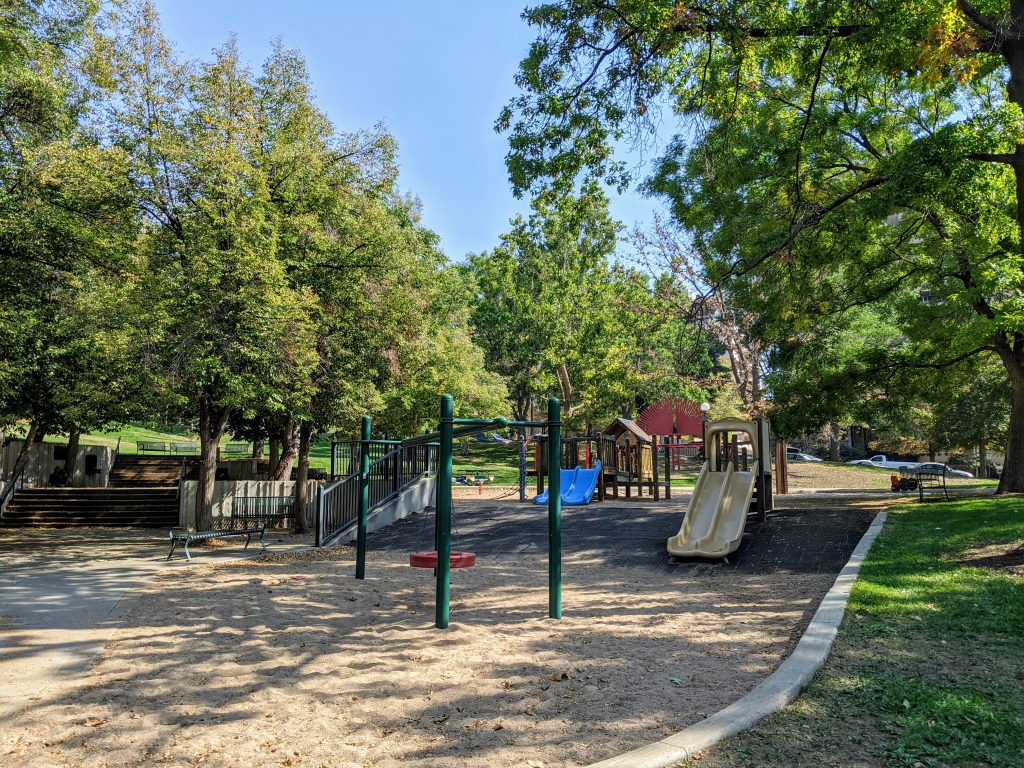
Governors' Park
Governors' Park serves as one of Capitol Hill's primary neighborhood-scale public spaces. Denver's recent planning work has examined circulation, programming, shade, vegetation, lighting, drainage, and how the park connects with surrounding streets and residences.
Quality Hill Park
Quality Hill Park is smaller and more tightly embedded within surrounding residential buildings. Its scale makes the relationship between park programming and adjacent homes especially important.
Useful to Capitol Hill Residents, But Outside the Statistical Boundary
Larger lawns, mature landscaping, walking routes, and access to the Denver Botanic Gardens provide a very different open-space experience from Capitol Hill's smaller neighborhood parks.
The civic landscape around the State Capitol and downtown provides another major public-space resource accessible to many Capitol Hill residents.
ARCHITECT + REALTOR PERSPECTIVE:
In a compact urban park, neighboring buildings and open space cannot be evaluated independently. Programming that works well in a large park may be inappropriate when residences directly surround a small site. Noise, lighting, landscaping, shade, visibility, circulation, and building orientation all affect how the space functions.
In Capitol Hill, open-space quality is better measured by usability and access than by acreage alone. A small, well-connected park can matter more to daily life than a much larger space that is inconvenient to reach.
Everyday Life Happens Along Corridors, Corners, and Short Walks
Capitol Hill’s commercial life is not evenly distributed. Some activity concentrates along major corridors, while smaller businesses and institutions appear on individual corners and within otherwise residential blocks.
For the Atlas, the useful question is not simply which restaurants are popular. It is where everyday activity concentrates—and how proximity to it affects convenience, noise, parking, pedestrian activity, and the residential experience.
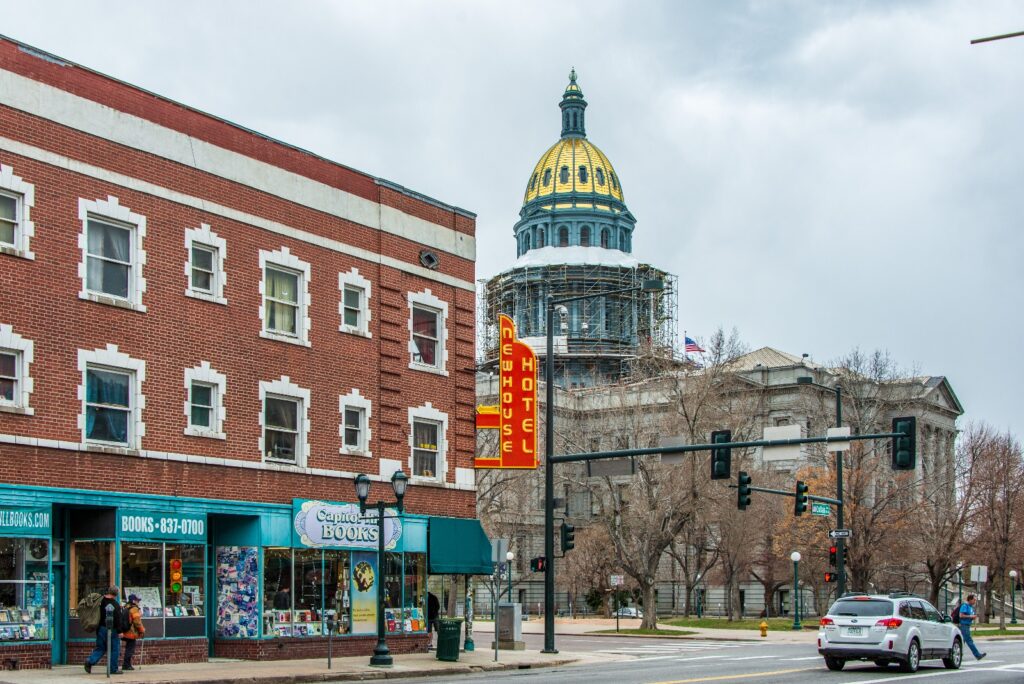

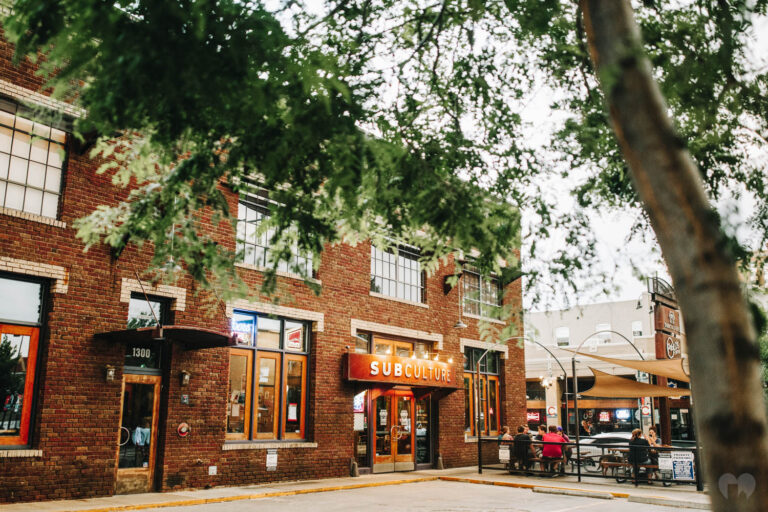
Colfax Avenue
Colfax is Capitol Hill's most prominent commercial and cultural edge. Restaurants, bars, music and entertainment venues, services, institutions, and transit activity create a distinctly urban environment.
Broadway + Lincoln
Restaurants, services, offices, civic uses, and major transportation connections extend along the neighborhood's western side and connect directly toward downtown.
Interior Destinations
Some of Capitol Hill's most useful businesses and institutions sit on individual corners or within areas that otherwise feel residential. These places can contribute disproportionately to everyday convenience.
The ttArch takeaway: Capitol Hill’s everyday convenience comes from being embedded in the central city, but the exact commercial experience changes substantially from block to block. The useful question is whether a particular property connects comfortably to the places you actually expect to use.
Schools in and Around Capitol Hill
Capitol Hill has a more substantial public-school presence than a simple neighborhood search may suggest. Dora Moore Elementary, Morey Middle School, and Contemporary Learning Academy are located directly within the neighborhood, while East High School is a nearby comprehensive high-school option closely connected to central Denver.
The important distinction for real estate decisions is that a school being nearby is not the same as a property being assigned to that school. DPS assignment is address-specific.
School assignment is property-specific.
Denver Public Schools' published maps currently reflect the 2026–27 school year. A Capitol Hill address may map to a specific boundary school or, elsewhere in Denver, an enrollment zone. Always enter the exact property address and grade level into DPS School Finder before relying on an assignment.
Planning note: DPS is currently reviewing school boundaries and enrollment zones. The district states that 2027–28 boundary maps are expected in December 2026.
Open DPS School Finder →A More Useful Starting Point
These schools are either located within Capitol Hill or are particularly relevant to families evaluating the neighborhood. Assignment and eligibility still need to be verified individually.
| School | Grades / Type | Location | Relationship to Capitol Hill |
|---|---|---|---|
| Dora Moore Elementary846 Corona Street | ECE + K–5 District-managed | Inside Capitol Hill | Neighborhood elementary school for addresses within its current DPS boundary; also available through SchoolChoice subject to DPS rules. |
| Morey Middle School840 E. 14th Avenue | 6–8 District-managed | Inside Capitol Hill | Neighborhood middle-school option serving central Denver addresses; Dora Moore lies within the Morey boundary. Morey also houses the DPS Highly Gifted and Talented magnet program. |
| East High School1600 City Park Esplanade | 9–12 Comprehensive high school | Nearby — northeast of Capitol Hill | Major comprehensive DPS high school serving central Denver families. Verify the exact property address in School Finder rather than assuming assignment from neighborhood name alone. |
| Contemporary Learning Academy200 E. 9th Avenue | High school DPS Pathways | Inside Capitol Hill | A smaller, specialized high-school setting with personalized support, concurrent-enrollment opportunities, GED support, and wraparound services. It is not simply the default neighborhood high school. |
Dora Moore Elementary
846 Corona Street · Capitol Hill
Dora Moore is one of Capitol Hill's most direct neighborhood-school relationships. Its historic campus dates to the late 19th century, and the school currently uses an arts-integrated educational model that connects visual arts, music, movement, and core academic subjects.
For the 2026–27 school year, Dora Moore is operating as an ECE/K–5 school. Older references may still identify the campus as ECE–8 because middle-school grades were previously offered there.
- Located directly within Capitol Hill
- Boundary elementary for qualifying addresses
- Arts-integrated instructional model
- Historic neighborhood school campus
- SchoolChoice available for non-boundary families subject to capacity and DPS priorities
Morey Middle School
840 E. 14th Avenue · Capitol Hill
Morey is a 6–8 DPS middle school located near Capitol Hill's northern edge. It serves both neighborhood students and students participating in specialized programming.
Morey also houses Denver Public Schools' Highly Gifted and Talented magnet program. The school describes its broader educational model around personalization, challenge, student support, and community.
- Located directly within Capitol Hill
- Grades 6–8
- Neighborhood and SchoolChoice enrollment
- DPS Highly Gifted and Talented magnet program
- Dora Moore is located within the Morey middle-school boundary
East High School
1600 City Park Esplanade · Nearby
East High School is outside the official Capitol Hill statistical boundary but is one of the most relevant comprehensive DPS high schools for families considering central Denver. The school offers a large high-school environment with athletics, clubs, Advanced Placement coursework, and concurrent-enrollment opportunities.
Because high-school boundaries should be confirmed for the exact address, this guide does not assume that every Capitol Hill property automatically maps to East.
- Nearby comprehensive DPS high school
- Grades 9–12
- Advanced Placement coursework
- Concurrent-enrollment opportunities
- Broad extracurricular and athletic programs
- Verify assignment by exact address
Contemporary Learning Academy
200 E. 9th Avenue · Capitol Hill
Contemporary Learning Academy is physically located within Capitol Hill but serves a different role from a traditional neighborhood high school. CLA is part of the DPS pathways-school system and emphasizes a smaller, more personalized environment.
The school currently offers high-school programming, concurrent enrollment, GED support for eligible students, and wraparound services through The Village at CLA.
- Located directly within Capitol Hill
- DPS pathways-school model
- Smaller personalized environment
- Concurrent enrollment
- GED programming and support
- Not simply a default neighborhood-school assignment
One School Assigned to an Address
When an address falls within a traditional school boundary, the student is guaranteed a seat at that school for the applicable grade level.
A Guaranteed Seat Within a Group
Some Denver addresses fall inside enrollment zones rather than one-school boundaries. Families rank schools within the zone through the DPS process.
Options Beyond the Boundary
Families may apply to other DPS schools, including magnet, charter, specialized, and other district-managed programs, subject to priorities and available seats.
ARCHITECT + REALTOR PERSPECTIVE:
School information becomes a real estate fact only when it is tied to the specific property. “Close to East High” describes location. “Assigned to East High” describes enrollment status. Those are different claims, and the second should be verified through DPS using the exact address before it appears in marketing materials or informs a purchase decision.
Primary Sources — verified August 2026: DPS District & Boundary Maps · DPS School Finder · Dora Moore · Morey Middle School · East High School · Contemporary Learning Academy
Central Location Does Not Mean Every Trip Works the Same Way
Capitol Hill’s central location creates strong access to downtown, transit, restaurants, parks, institutions, and surrounding neighborhoods. But connectivity should not be reduced to a single walkability score.
The quality of a trip depends on the street, the mode, the crossing, the time of day, the building location, and the destination.
Walking
Many daily destinations are relatively close together, but pedestrian quality changes with street width, traffic, crossings, shade, and route choice.
Cycling
Short urban distances can make cycling practical, but comfort depends on route continuity, intersection design, vehicle speed, and separation from traffic.
Transit
Major routes along Colfax, Broadway, Lincoln, and other corridors can reduce dependence on driving for some households.
Driving
Central location provides strong access to the broader city, but one-way streets, traffic, construction, and turning restrictions can complicate short trips.
Parking
Parking varies widely because Capitol Hill's housing stock spans more than a century of development.
Walking: Capitol Hill can make many daily trips relatively short, but short does not always mean comfortable. Interior residential streets may feel very different from crossings at Colfax, Broadway, Lincoln, 13th, 14th, or other higher-volume streets.
A more useful question than “Can I walk there?” is: “Would I actually want to make that walk regularly?”
Where Mobility Conditions Are Expected to Continue Evolving
Denver's East Central planning work identifies several Capitol Hill corridors for transit, pedestrian, or bicycle priority. These designations indicate planning direction—not guaranteed project timing.
A neighborhood can perform well on one dimension and poorly on another. Evaluate the mix that fits your actual daily routine.
ARCHITECT + REALTOR PERSPECTIVE: A buyer who wants to drive less may evaluate Capitol Hill differently from someone who needs two vehicles and predictable guest parking. There is also a meaningful difference between wanting to reduce car use and wanting to live entirely car-free. The property should fit the household’s actual transportation pattern.
Capitol Hill’s strength is access. The tradeoff is that access is created by the same streets, transit corridors, density, and activity that can complicate traffic, parking, noise, and pedestrian comfort. The right balance is property-specific.
One Neighborhood Does Not Mean One Market
Capitol Hill contains detached historic residences, converted houses, prewar condominiums, mid-century elevator buildings, townhomes, and contemporary multifamily properties. Those properties may share the same neighborhood name while competing for very different buyers.
Neighborhood-wide statistics therefore provide useful market context. Property-level valuation requires a narrower competitive set.
Capitol Hill Residential Market — Mid-2026
Public neighborhood-level indicators provide the broad operating environment for buyers and sellers.
| Market Metric | Current Reading | Period | Source | What It Suggests |
|---|---|---|---|---|
| Median Sold Price | $366,500 | June 2026 | Realtor.com | Recent closed-sale benchmark across the neighborhood. |
| Trailing Median Sale Price | ≈ $340,000 | Trailing market period | Homes.com | Broader-period estimate shows similar overall price range. |
| Typical Home Value — ZHVI | $313,507 | June 30, 2026 | Zillow | Modeled typical value; not the same measurement as median sale price. |
| 1-Year ZHVI Change | -5.9% | Year over year | Zillow | Indicates softer modeled values than one year earlier. |
| Median Listing Price | $315,000 | June 2026 | Realtor.com | Current asking-price mix is heavily influenced by condominium inventory. |
| Median Listing $ / SF | $382/SF | June 2026 | Realtor.com | Useful secondary benchmark; limited for property-level valuation. |
| Median Days on Market | 58 days | June 2026 | Realtor.com | Buyers generally have more time than in a rapid low-inventory market. |
| Sale-to-List Ratio | ≈ 99% | June 2026 | Realtor.com | Homes are selling near final asking price, not necessarily original list price. |
| Months of Supply | ≈ 7.4 | Trailing market period | Homes.com | Meaningful inventory relative to buyer demand. |
| Active Listings | 123 | June 2026 | Realtor.com | Provides buyers with more alternatives to compare. |
Current interpretation: the public data broadly points toward a softer and more buyer-friendly Capitol Hill market in mid-2026 than a year earlier. Pricing measures have weakened, marketing periods are longer, and available inventory gives buyers more opportunity to compare competing properties.
That does not mean every Capitol Hill property has declined by the same amount. The neighborhood’s housing mix makes property type and building characteristics especially important.
The Neighborhood Median Hides Major Differences
Public-source property-type figures show why Capitol Hill should not be analyzed as one uniform residential market.
| Property Type | Public-Source Median | Relative Market Position | Primary Value Drivers | Analytical Caution |
|---|---|---|---|---|
| Detached + Historic Residences | ≈ $950,000 | Highest price tier; comparatively scarce | Architecture, condition, lot, parking, historic status, usable area, exact block | Neighborhood median is especially poor as a valuation reference. |
| Townhomes + Attached Residences | ≈ $387,500 | Middle segment between condos and detached homes | Garage, outdoor space, HOA structure, age, levels, location | Some compete with condos; others compete with detached homes. |
| Condominiums | ≈ $280,000 | Largest and most varied residential segment | Building era, HOA, parking, floor, light, elevator, condition, capital projects | Building-to-building differences can overwhelm neighborhood averages. |
| 1-Bedroom Residences | ≈ $245,000 | Entry-level segment within much of the condo market | Building quality, parking, HOA, layout, light, floor | Bedroom count alone does not create a valid comparable. |
| 2-Bedroom Residences | ≈ $395,000 | Broader buyer pool and larger range of building types | Parking, second-bath potential, size, layout, building quality | Can span significantly different ownership propositions. |
Why the Condominium Market Needs Another Layer of Analysis
| Condo Variable | Why Buyers Care | Potential Market Effect | What to Verify |
|---|---|---|---|
| Building Era | Different construction, layouts, systems, and aesthetics | Can create distinct buyer pools | Original construction + later upgrades |
| Parking | Parking can materially affect daily usability | May influence marketability and competitive position | Deeded, assigned, limited common element, leased, or none |
| HOA Dues | Directly affect monthly ownership cost | High dues may be justified—or may reduce buyer demand | What dues actually include |
| Reserves + Capital Planning | Influence future assessment risk | Strong planning can support buyer confidence | Reserve study, balances, planned projects |
| Elevator | Changes accessibility and convenience | May broaden buyer pool, especially on upper floors | Condition, modernization history, maintenance |
| Floor Level | Affects light, views, noise, privacy, and access | Can create premiums or discounts within one building | Comparable sales from similar floors when possible |
| Orientation + Light | Can materially change how identical floor plans live | Often affects desirability beyond raw square footage | Direction, obstructions, future development |
| Outdoor Space | Balconies, patios, courtyards, and rooftops add usability | May differentiate otherwise similar units | Exclusive-use rights and maintenance responsibility |
| Renovation Quality | Cosmetic updates and comprehensive system upgrades are not equivalent | Buyers may pay differently for documented substantive work | Permits, systems, workmanship, warranties |
| Major Building Projects | Roof, masonry, garage, elevator, windows, plumbing, and façade work can be expensive | Can materially change buyer perception and ownership cost | Completed, funded, planned, or deferred work |
The more specific the property becomes, the less useful a neighborhood-wide median becomes.
Buyer + Seller Interpretation
| Market Condition | Buyer Interpretation | Seller Interpretation |
|---|---|---|
| More Available Inventory | Compare buildings, HOAs, parking, condition, and location rather than rushing toward the first acceptable option. | Your property competes against more alternatives; differentiation matters. |
| Longer Marketing Times | There may be more opportunity for deliberate due diligence and negotiation. | Do not assume a longer marketing period automatically means the property is defective—but pricing and presentation matter. |
| Softer Pricing Measures | Recent sales may provide more negotiating context than older peak-market comparables. | Historical appreciation or prior purchase price does not establish current market value. |
| ≈99% Sale-to-Final-List Ratio | Final asking price may still be close to the eventual sale price. | A strong final-list ratio can hide earlier price reductions. Original list price matters. |
| Wide Property-Type Spread | Do not compare a condo directly with a townhome or detached residence simply because prices overlap. | Define the likely buyer and competitive set before setting the asking price. |
| HOA + Building Differences | A lower-priced unit may have higher future ownership exposure. | Clear documentation of reserves, improvements, and building condition can strengthen buyer confidence. |
Useful as a Check. Weak as a Primary Valuation Method.
Public sources place broad Capitol Hill pricing around $370–$382 per square foot. That range can provide context, but it cannot adequately adjust for parking, floor level, HOA quality, outdoor space, views, historic character, building amenities, renovation quality, or major capital exposure.
Questions That Still Require a Narrower Comparable-Sale Analysis
Buyer Perspective: the slower 2026 market can create useful breathing room. More competing inventory may allow you to compare buildings, HOA strength, parking, condition, orientation, and future capital exposure rather than simply competing for whichever property becomes available.
Seller Perspective: in a market with more competing inventory, pricing discipline becomes more important. The useful question is not “What is the Capitol Hill median?” It is “Which available and recently sold properties would a serious buyer actually compare with mine?”
Market Data Methodology: Public sources include Realtor.com, Zillow Home Value Index, and Homes.com. Primary reporting periods are June–July 2026 and trailing-market public metrics. Verified August 2026. Sources use different geographic definitions, update schedules, calculation methods, and transaction/listing datasets. Figures are provided for neighborhood-level context and should not be used as a substitute for a property-specific comparative market analysis or appraisal.
Start With the Building, Not Just the Unit
Capitol Hill offers an unusually broad range of ways to live in central Denver. That variety is a strength, but it also means two properties at similar prices can represent very different ownership experiences.
A strong purchase decision requires more than deciding whether you like the neighborhood and the interior finishes.
Choose the Urban Environment
Understand the immediate block before evaluating the property itself.
Understand the Property Type
Know what kind of ownership proposition you are actually evaluating.
Evaluate the Building
For condominiums especially, the building deserves as much attention as the unit.
Understand the HOA
A condo buyer is purchasing both a private residence and an interest in a shared building.
Verify Parking
Do not rely only on the phrase “1 parking space.” Determine what actually transfers.
Investigate Historic Status
If renovation is part of the plan, verify designation before assuming what can change.
Look Beyond Cosmetic Renovation
New finishes do not necessarily mean the underlying building systems were updated.
Evaluate Light + Orientation
Two identical floor plans in the same building can live very differently.
Understand Noise
Noise is more specific than whether a neighborhood is generally “quiet.”
Consider Future Context
Do not assume today's surroundings are permanently fixed.
Understand the Resale Audience
Think about who is likely to want the property when you eventually sell.
A common Capitol Hill mistake: paying a premium for a beautifully renovated interior while inheriting unresolved building problems underneath it. A new kitchen can be valuable, but it does not tell you whether electrical service, plumbing, windows, ventilation, waterproofing, elevators, masonry, or reserves have been addressed.
ARCHITECT + REALTOR PERSPECTIVE:
Capitol Hill can reward buyers willing to look beyond surface-level comparison. A property that photographs less impressively may have better parking, stronger HOA finances, better orientation, lower future capital exposure, or a better block. Another may photograph beautifully while carrying compromises that become clear only during due diligence.
In Capitol Hill, you are often buying three things at once: a home, a building, and an urban location. Evaluate all three.
Evaluate the Home, the Building, and the Urban Context
If you are considering buying a Capitol Hill property, I bring the building, architecture, condition, HOA, parking, historic status, urban context, value, offer strategy, and due diligence together so you can understand the complete ownership proposition before you commit.
The Correct Competitive Set Matters More Than the Nearest Sale
Pricing a Capitol Hill property can appear straightforward because there are often many nearby sales. The challenge is determining which of those sales are actually comparable.
A unit three blocks away can be less relevant than a sale farther away in a similar building.
Close geographically, but different building era, parking, HOA, condition, or ownership experience.
Similar property type + building era + parking + HOA + unit position + condition + urban context.
Price Within the Correct Competitive Set
Use the properties a likely buyer would genuinely compare—not every nearby transaction.
Present the HOA Clearly
Make it easy to understand dues, included services, amenities, parking, reserves, insurance responsibilities, and relevant capital work.
Prepare Intelligently
Older properties often benefit more from selective preparation than from generic modernization.
Address Deferred Maintenance
Decide what to repair, investigate, document, price around, or disclose before buyers discover it themselves.
Document Renovations
Permits, plans, contractor information, system upgrades, warranties, and maintenance records can distinguish substantive work from cosmetic updates.
Market the Urban Context Accurately
Transit, parks, restaurants, historic context, and BRT proximity can be useful facts without turning them into unsupported appreciation predictions.
Explain Historic Status Early
The right buyer may view designation as an asset. Another may decide it does not fit future renovation plans. Both are better than a late surprise.
Original elements can be assets: before replacing historic woodwork, doors, masonry fireplaces, built-ins, period tile, architectural windows, or other older features simply because they are not new, consider whether they contribute to the property’s value and identity.
A successful renovation can improve function while preserving the qualities that make the property distinct.
ARCHITECT + REALTOR PERSPECTIVE:
Renovation should improve function without unnecessarily erasing what makes an older property distinctive. Not every buyer wants an old home to look new. Many want an older property to function well while retaining the architectural qualities that made it worth preserving.
Capitol Hill’s diversity makes pricing discipline especially important. Using every nearby transaction can create false precision. The better approach is to identify the small group of properties a likely buyer would genuinely compare—and then understand why those properties sold for different amounts.
Capitol Hill sellers should compete within the right market, not simply within the smallest radius.
Position the Property Within Its Real Competitive Set
If you are considering selling a Capitol Hill property, I bring the property type, building era, HOA, parking, unit position, condition, historic context, competitive set, preparation, pricing, marketing, and negotiation together into a strategy for the individual property.
Common Questions About Living, Buying + Owning in Capitol Hill
Capitol Hill raises more property-specific questions than many Denver neighborhoods because the housing stock, building eras, ownership structures, historic context, and street environments vary so much. These answers are designed to provide orientation, not replace address-level due diligence.
Is Capitol Hill a good neighborhood for buyers who want walkability?
Is Capitol Hill mostly condos and apartments?
Are Capitol Hill homes generally historic?
Can I renovate a historic property in Capitol Hill?
What should I look for when buying a condo in Capitol Hill?
Is parking difficult in Capitol Hill?
Does being near Colfax BRT automatically increase property value?
Is Capitol Hill a buyer's market right now?
Why do Capitol Hill market statistics vary so much by website?
Is price per square foot useful in Capitol Hill?
Are Capitol Hill schools assigned by neighborhood?
Is Capitol Hill noisy?
What is the biggest mistake buyers make in Capitol Hill?
What is the biggest mistake sellers make in Capitol Hill?
Who is Capitol Hill likely to fit best?
Still evaluating a specific property? Neighborhood information is most useful when it helps identify the next property-level question to investigate.
Capitol Hill Rewards Buyers Who Appreciate Complexity
“Capitol Hill is not a neighborhood I would reduce to a score, a median price, or a list of amenities. Its value is in the combination of architecture, urban access, history, density, and variety—and those same qualities are what make careful property-level analysis so important.”
— Michael Thomas, Architect + Real Estate BrokerWhat I find most interesting about Capitol Hill is that it does not give you one version of Denver.
You can move from a historic mansion to an early apartment building, a mid-century condominium, a contemporary infill project, a neighborhood restaurant, a major transit corridor, and a quiet tree-lined residential block within a relatively small area.
As an architect, I appreciate that physical layering. Buildings from different periods sit next to one another and reveal how Denver has changed over time rather than presenting one uniform development pattern.
As a real estate broker, that same diversity makes me cautious about shortcuts. Capitol Hill is exactly the kind of neighborhood where a neighborhood-wide statistic can sound precise while telling you surprisingly little about the property you are actually considering.
- You value central-city access and want many daily destinations relatively close.
- You appreciate older buildings, architectural variety, and neighborhoods that evolved over time.
- You are comfortable evaluating tradeoffs rather than looking for uniformity.
- You are open to condominium, townhome, conversion, or historic-home ownership.
- Transit, walking, restaurants, parks, and city life matter more than having a large private yard.
- You are willing to investigate the building and HOA as carefully as the interior.
- You strongly prioritize a large private yard or newer detached housing.
- You want consistently quiet streets with limited urban activity.
- Simple, abundant parking is a major priority.
- You prefer newer construction with fewer age-related building considerations.
- You want a neighborhood with highly uniform housing and predictable property comparisons.
- You do not want the additional due diligence that can accompany older buildings or HOAs.
Considering a Home in Capitol Hill?
If you are evaluating a specific property, the next step is not another neighborhood statistic. It is understanding that property in context—its building, architecture, condition, HOA, parking, immediate surroundings, competitive market, and the tradeoffs that matter to you.
No pressure. The goal is to help you make a better decision—even if that decision is not to buy.Neighborhood conditions, school assignments, transportation projects, businesses, regulations, market conditions, and other information can change. Verify material facts independently and at the property-address level before making a real estate decision. Market information is educational and is not an appraisal or prediction of future value.