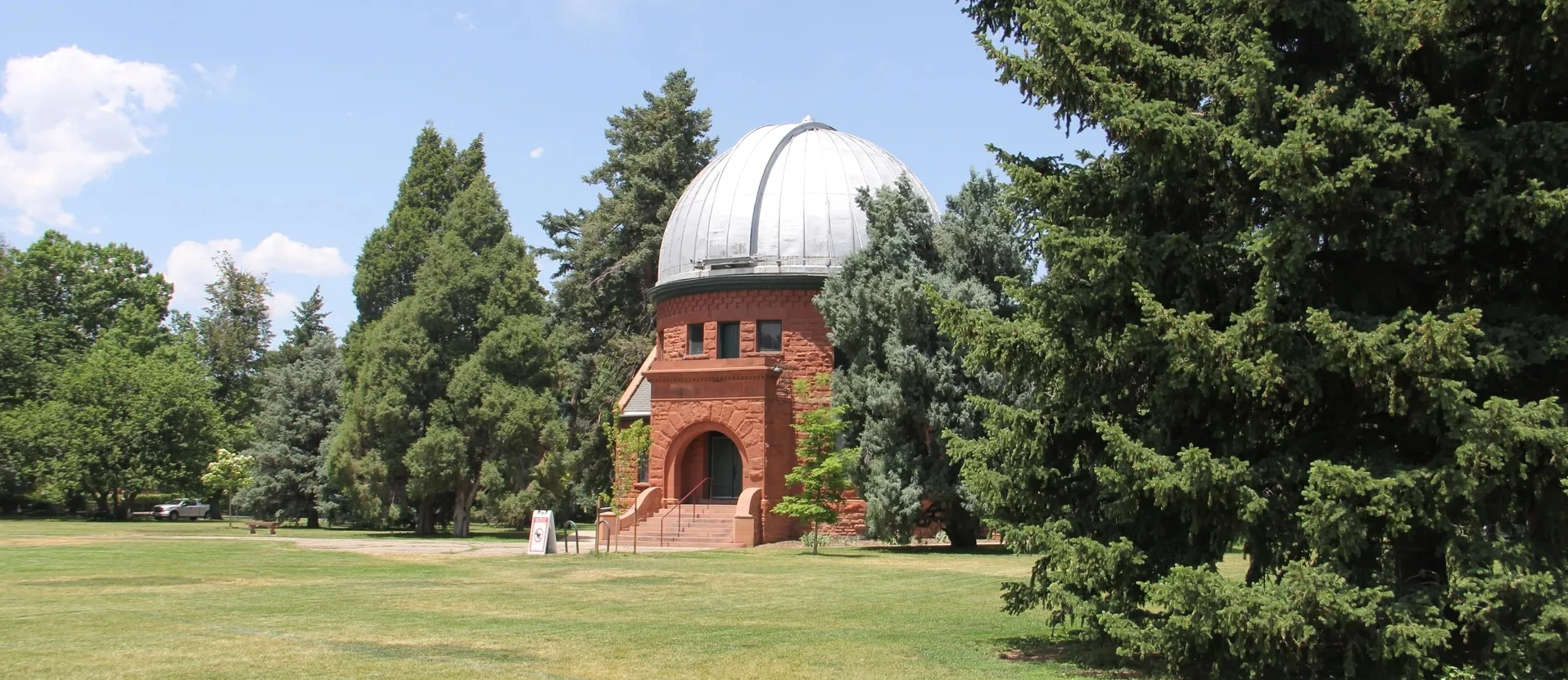
University Park + Observatory Park
Mature residential streets, Observatory Park, layered architecture, and continuing reinvestment shape a neighborhood closely connected to the University of Denver.
ARCHITECTURE. LOCATION. HOUSING. BETTER DECISIONS.
EXPLORE THE GUIDE
Your University Park + Observatory Park Roadmap
Read the guide from beginning to end, or jump directly to the question that matters most to you.
The sections move from neighborhood geography, history, and architecture to everyday life, redevelopment, market conditions, and property-level decisions for buyers, sellers, and homeowners.
PART ONE
Understand the Place
Begin with geography, history, residential environments, architecture, and the civic places that explain how University Park developed.
PART TWO
Experience the Neighborhood
Explore redevelopment, restaurants, parks, mobility, and schools—the everyday systems that shape how the neighborhood feels from one block to another.
PART THREE
Make the Real Estate Decision
Use current market evidence and property-specific frameworks to evaluate buying, ownership, selling, and whether University Park fits your priorities.
Not sure where to begin? Start with Part One to understand University Park’s geography, architectural evolution, and relationship to Observatory Park and DU. Jump to Part Three if you are already evaluating a purchase, renovation, sale, or specific property.
Understanding University Park + Observatory Park
University Park is the official Denver statistical neighborhood. Observatory Park is a prominent civic and residential center within it—not a separate statistical neighborhood. That distinction matters because the neighborhood’s housing, transportation, university influence, and redevelopment patterns change considerably from one part of University Park to another.
Neighborhood Context
One Neighborhood. Several Different Experiences.
West: University Boulevard + University of Denver
East: Colorado Boulevard
South: Yale Avenue
North: I-25 + Southeast rail corridor
Through the middle: Evans Avenue
Observatory Park is a civic and residential center within University Park—not a separate official statistical neighborhood.
OBSERVATORY PARK
A civic and historic center within the larger neighborhood, anchored by the park and Chamberlin Observatory. Its identity is real, but its edges should not be treated as an invented statistical boundary.
DU INFLUENCE
The principal DU campus sits immediately west of University Boulevard. Its impact is strongest along the western and northern edges and becomes less pronounced as you move deeper into the residential interior.
EDGE CONDITIONS
University, Evans, Colorado, Yale, I-25, and the rail corridor create different traffic, access, land-use, and redevelopment conditions from the neighborhood’s quieter interior streets.
University Park rewards a block-by-block approach. Two homes can share the same neighborhood name, similar square footage, and similar lot sizes while offering very different experiences because of their relationship to Observatory Park, DU, Evans Avenue, Colorado Boulevard, redevelopment activity, or the surrounding housing generation.
I evaluate properties here at three scales: the house, the block, and the neighborhood position.
How University Park Developed
University Park did not emerge from one subdivision or one housing boom. Its origins were tied directly to the University of Denver’s move southeast from downtown Denver in the 1880s, followed by decades of gradual residential development, postwar infill, renovation, and replacement construction.
That unusually long development cycle is one of the main reasons the neighborhood contains such a broad mix of architectural types today.
The key idea: University Park was assembled over time rather than completed in one generation.
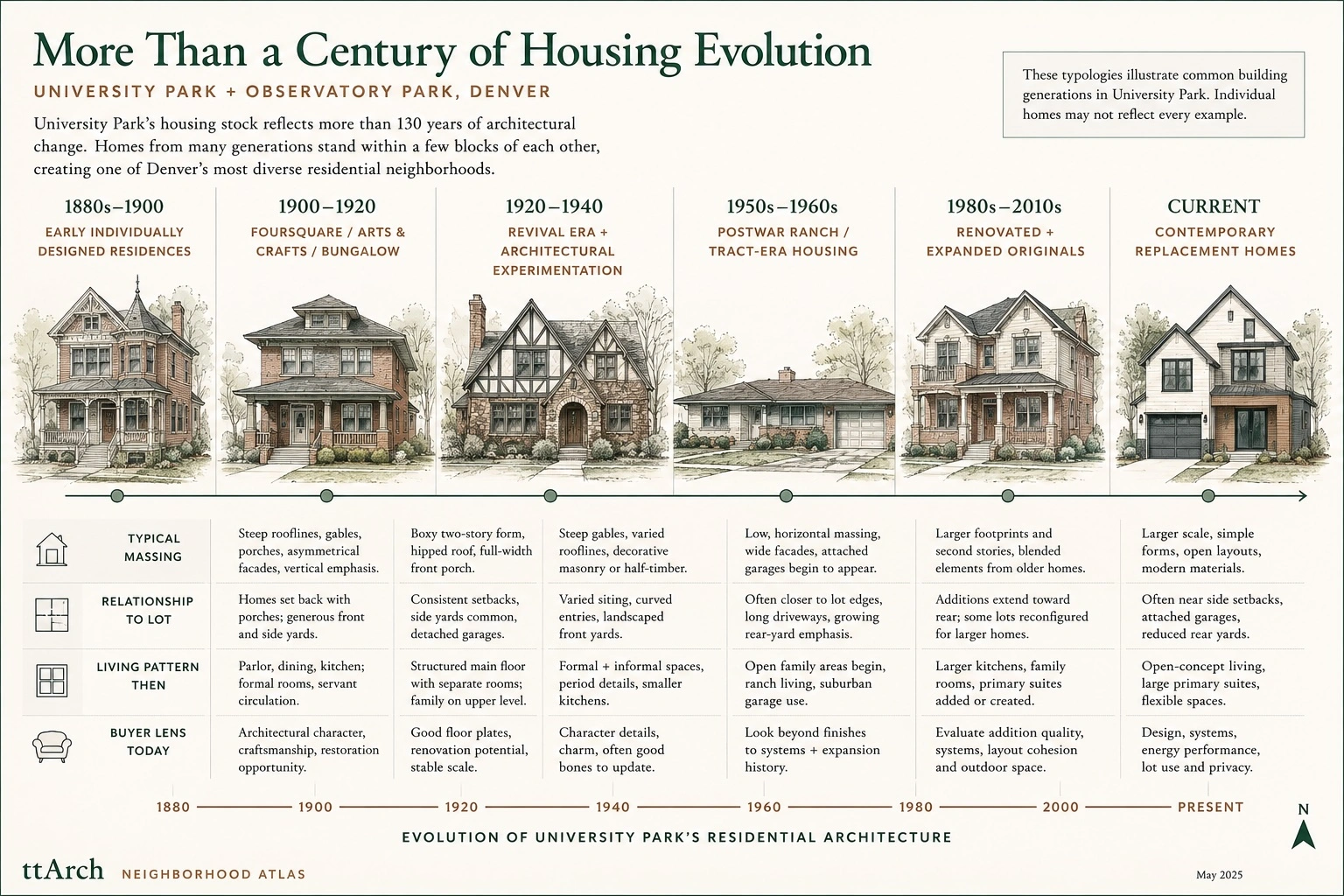
More Than a Century of Housing Evolution
University Origins + Slow Early Growth
The University of Denver’s relocation helped establish the neighborhood. Early homes appeared gradually and were often individually designed, creating architectural variety from the beginning.
Postwar Buildout
Large portions of the remaining neighborhood filled with postwar housing. Ranches and more standardized homes added a new scale and building generation to the earlier residential fabric.
Renovation + Contemporary Infill
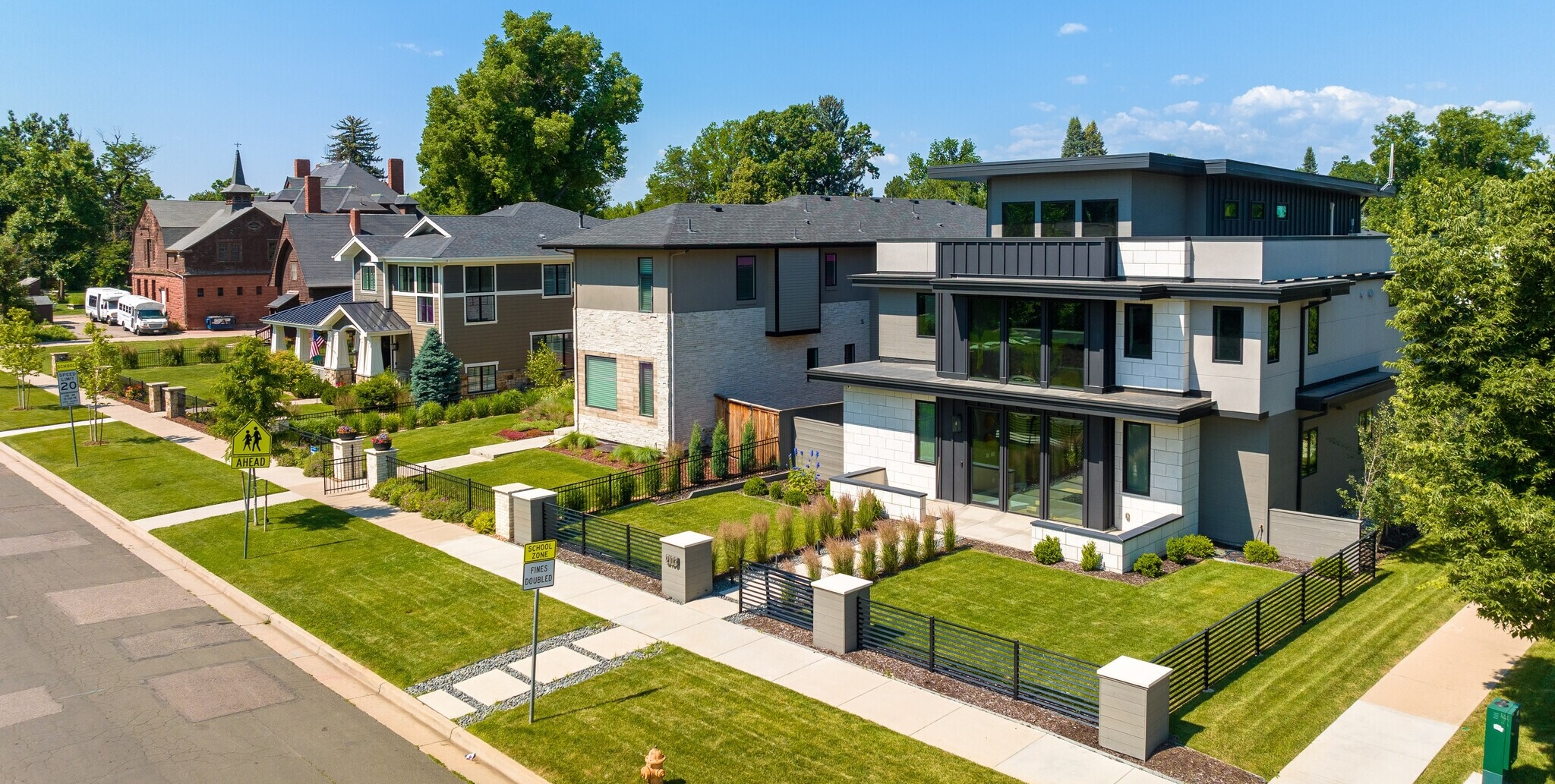
Renovations, major additions, and custom replacement homes created another layer. Today, original houses and contemporary infill often occupy the same block.
History becomes useful when it helps explain the building in front of you. In University Park, I would rarely compare two homes on square footage and bedroom count alone.
An early house, a postwar ranch, an expanded original, and a recent custom residence may all occupy similar lots while representing very different structural systems, room proportions, renovation histories, maintenance expectations, and long-term ownership decisions.
The important question is not simply how old the house is. It is what generation of the neighborhood it represents—and what has happened to it since.
The Residential Environments of University Park
University Park is one official Denver neighborhood, but it does not function as one uniform residential environment. The experience changes as you move from the DU edge to Observatory Park, through the established interior, across areas of postwar housing and redevelopment, and toward the major transportation corridors.
These are ttArch analytical environments—not official sub-neighborhood boundaries. They are intended to help explain how location, housing type, redevelopment, and surrounding land use affect the experience of an individual property.
DU + University Boulevard Edge
Closest to DU, University Boulevard, restaurants, transit, and greater pedestrian activity. Move east only a few blocks and the environment often becomes much more residential.
Observatory Park Core
The neighborhood’s clearest civic center: Observatory Park, Chamberlin Observatory, older residential architecture, mature landscape, and newer custom infill layered into the historic setting.
Established Residential Interior
Predominantly residential streets, mature landscaping, detached houses, and limited commercial intrusion. The streets can feel stable even while the houses themselves continue to change.
Postwar + Redevelopment Landscape
Original ranches and other postwar homes increasingly share blocks with expanded houses and contemporary custom replacements. This is less a single mapped district than a recurring condition throughout the neighborhood.
Major-Street + Transportation Edges
University, Evans, Colorado, Yale, I-25, and the rail corridor create stronger relationships to traffic, transit, mixed uses, and regional access than the quieter interior blocks.
When I evaluate a house in University Park, I would not begin by asking whether it is in the “good part” of the neighborhood. That question is too simplistic to be useful.
I would ask: What is the immediate block like? What larger environment influences the property? And what appears likely to change?
The neighborhood name provides useful context, but the house, the block, and the larger residential environment together provide the information needed to understand the property.
Architecture + Housing Evolution
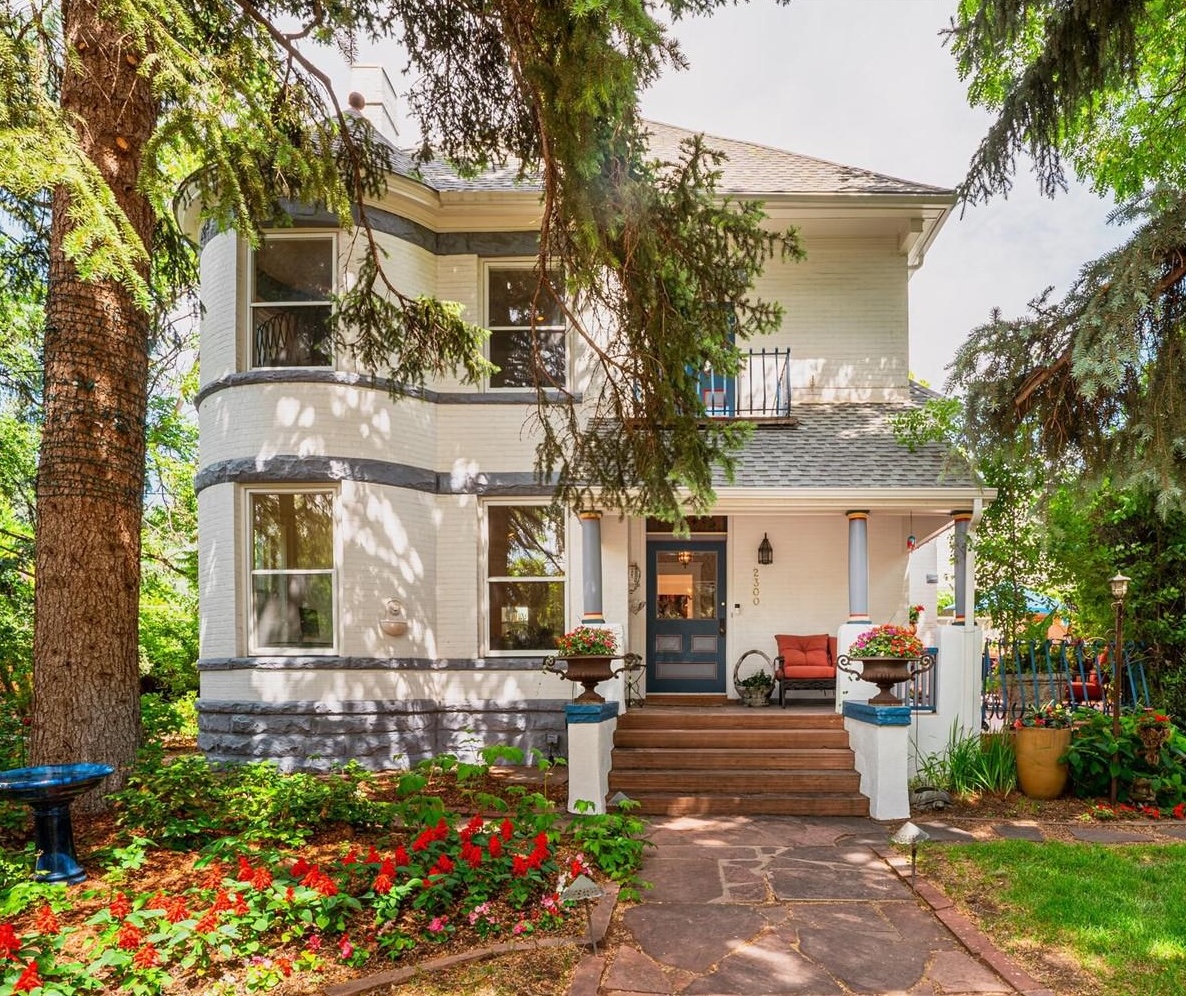
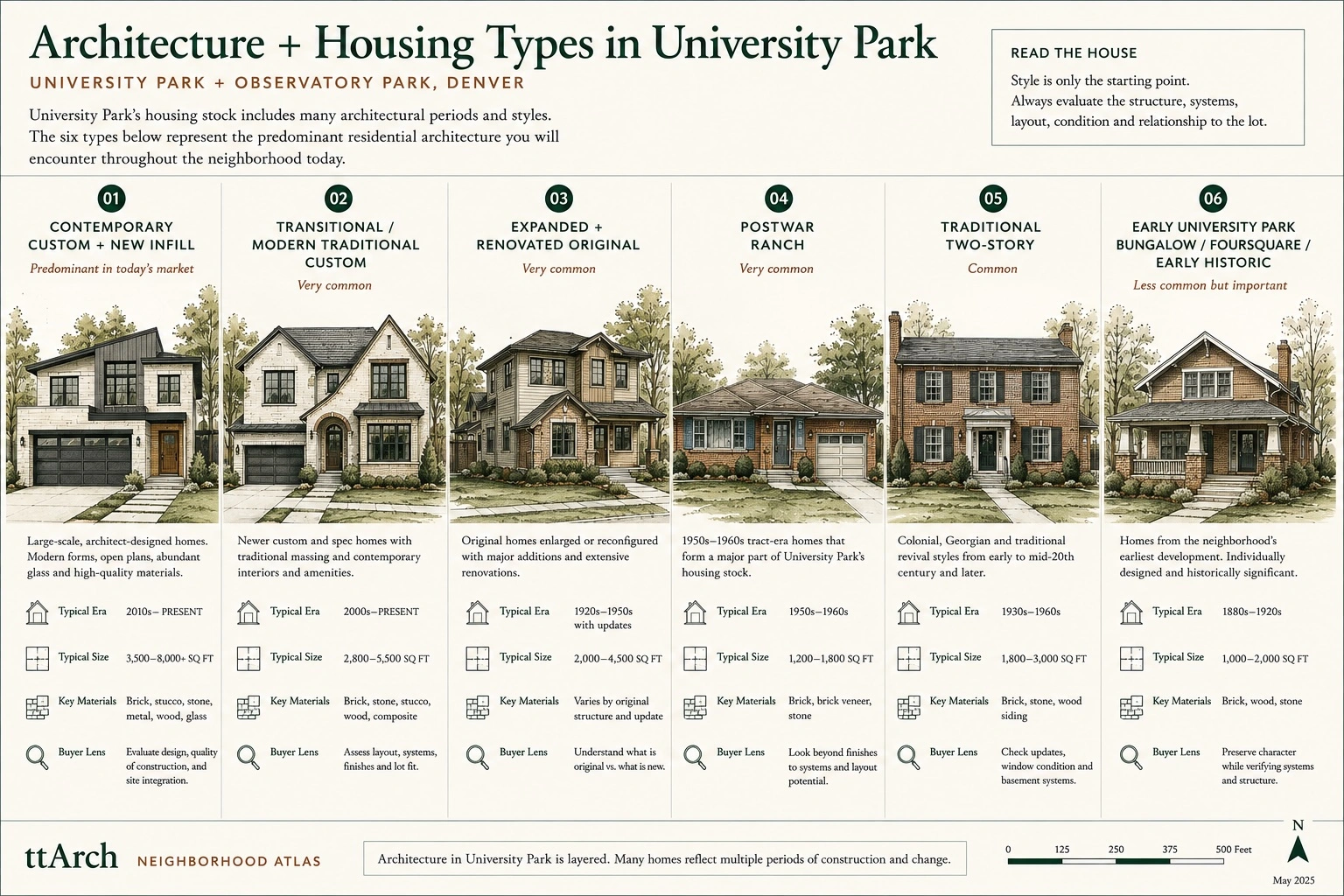
University Park is not defined by one architectural style. Its streets combine early individually designed houses, postwar ranches, traditional two-story homes, heavily renovated originals, and an increasingly prominent layer of contemporary custom and modern-traditional infill.
For a buyer, the useful question is not simply “What style is this?” It is “What kind of building is this, how has it changed, and how well does it work today?”
The Housing Types That Define University Park Today
Evaluate Design, Not Just Age
Newer homes can offer modern systems, larger rooms, higher ceilings, and contemporary layouts. But year built alone does not establish architectural quality, daylight, privacy, site use, or construction execution.
Ask How the Square Footage Was Created
Second stories and rear additions can transform an older house. Look closely at circulation, daylight, roof geometry, structural transitions, backyard loss, and whether old and new construction feel genuinely integrated.
Separate Character From Condition
Older architecture may offer strong proportions, mature site relationships, and distinctive materials. Buyers should still investigate systems, structure, energy performance, previous alterations, and maintenance history independently.
University Park is one of those neighborhoods where price per square foot can create a false sense of precision.
A recently built custom home, a postwar house with a major second-story addition, and an early residence with a substantial rear expansion may all report similar finished square footage while representing very different architectural and construction products.
I want to understand how the space was created, how the house sits on the lot, where daylight reaches the interior, what systems are actually new, and whether the architecture works as a whole.
Atlas takeaway: University Park does not present a simple choice between “historic” and “new.” Its housing spectrum includes early architecture, postwar homes, traditional houses, major renovations, expanded originals, and contemporary custom infill. The right comparison begins with the type of building—not just the neighborhood name.
Observatory Park + Chamberlin Observatory
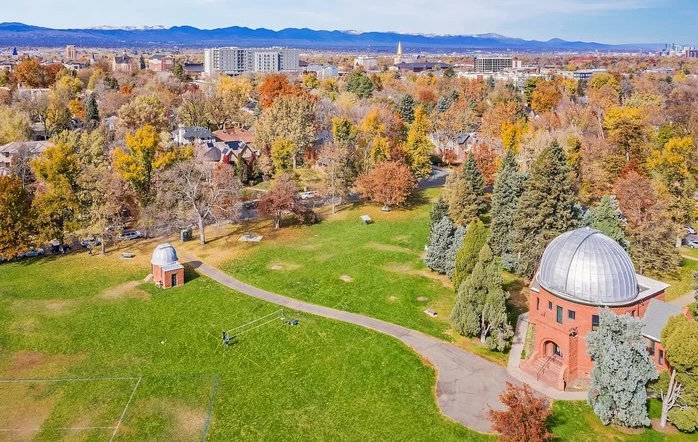
Observatory Park is one of the clearest physical expressions of University Park’s identity. The open lawn, mature trees, surrounding homes, and Chamberlin Observatory create a civic setting that feels different from the neighborhood’s more conventional residential blocks.
It is also a useful reminder that University Park’s relationship with the University of Denver is not limited to the campus west of University Boulevard. The neighborhood’s history and physical character remain connected to the university through this place.
A Civic Room Inside a Residential Neighborhood
The park works differently from a neighborhood amenity tucked behind houses. It creates a broad opening in the residential fabric and gives surrounding streets a recognizable focal point.
Homes near the park can relate directly to that open space, while blocks only a short distance away return to a more conventional street-and-lot pattern. This makes proximity to Observatory Park a meaningful micro-location distinction within University Park.
A University Landmark Embedded in the Neighborhood
Construction of Chamberlin Observatory began in 1890. Its 20-inch refracting telescope reached first light in 1894.
The observatory remains connected to the University of Denver and continues the long relationship between astronomy, education, and the surrounding neighborhood.
What Changes Near the Park?
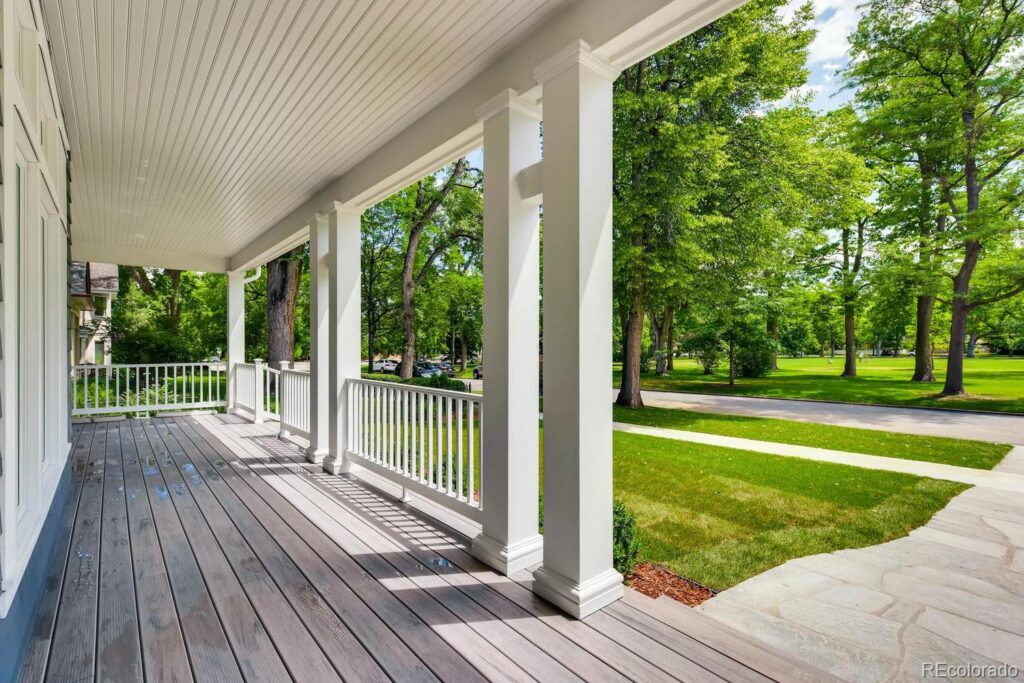
Open-space relationship
Some properties gain a direct visual or walking relationship to the park.
Street character
The park creates a stronger civic orientation than most interior residential blocks.
Architecture
Older houses, renovations, and contemporary custom homes can all appear around the same open-space setting.
Activity
Public space introduces more pedestrian and community activity than a purely residential street.
A home near Observatory Park should be evaluated partly through its relationship to the open space—not just its distance from it.
I would look at the direction the house faces, views from primary rooms, street activity, mature trees, daylight, privacy, and whether the park genuinely contributes to everyday life from that particular lot.
“Near Observatory Park” is a location description. The property-level value comes from how the individual house actually relates to the park.
Redevelopment + The Changing Housing Fabric
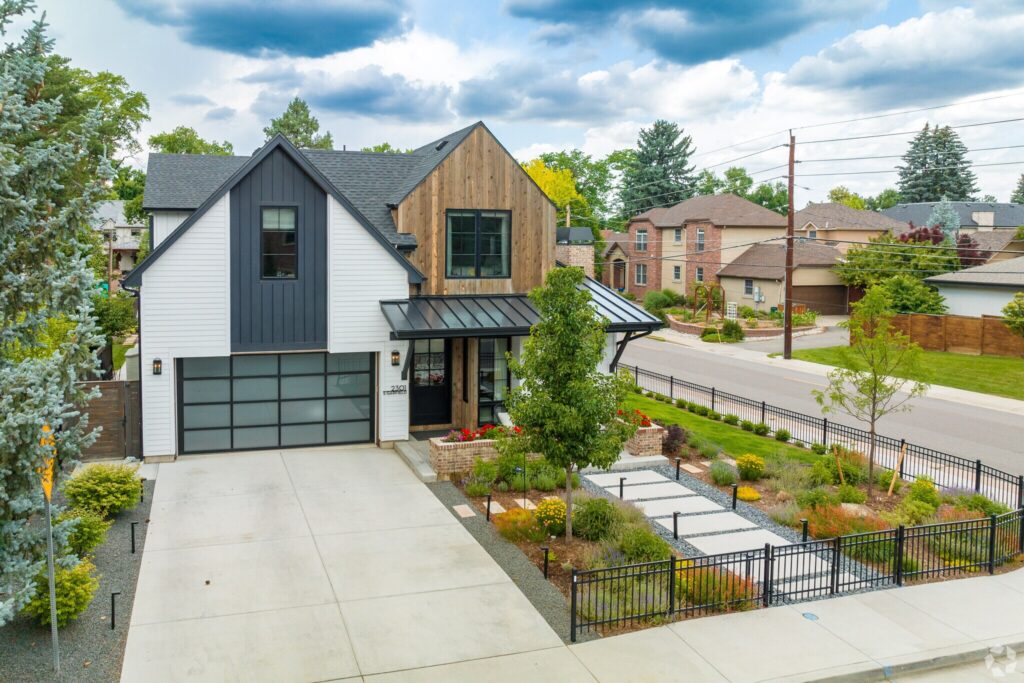
University Park is not simply a collection of old houses and new houses. Between those two ends are renovations, rear additions, second-story expansions, major transformations, and complete replacement homes.
That evolution matters because redevelopment changes more than the individual property. It can alter the amount of building mass on a lot, backyard depth, sunlight, privacy, mature landscape, and the perceived scale of the street.
Five Common Paths of Change
01 — Preservation
The original building remains largely intact, with maintenance and selective updating.
02 — Renovation
Interior systems and finishes change while the basic building form remains recognizable.
03 — Expansion
Rear additions, upper levels, or other substantial changes create more living area.
04 — Major transformation
An older house may remain structurally present but become difficult to recognize from the exterior.
05 — Replacement
The existing house is removed and a new residence occupies the lot.
The Neighboring Lots Matter Too
A one-story house may feel open and private today because the neighboring properties are also one story.
If an adjacent lot later receives a taller replacement home or substantial second-story addition, that relationship can change.
When evaluating a property, look sideways—not just at the house in front of you.
Shadow + Solar Access
Greater neighboring height can change sunlight reaching windows, patios, gardens, and interior rooms.
Second-Story Overlook
Upper-story windows and balconies can change relationships between neighboring yards and living spaces.
Coverage + Yard Depth
More interior area can come at the expense of outdoor space, mature planting, or usable backyard depth.
Mass + Perceived Character
A block of mostly one-story houses feels different as larger two-story and custom homes are introduced.
What May Be Stable—and What May Not Be
Mature trees, street width, park relationships, and the broader neighborhood framework can provide continuity. Individual buildings may be much less permanent.
For buyers, that means the current neighboring houses should not automatically be treated as the future condition of the block.
For owners, redevelopment nearby can also influence how an existing home competes in the market and whether future renovation or expansion makes sense.
One of the easiest mistakes when buying in an evolving neighborhood is to evaluate only what exists today.
I want to understand the subject house, but I also want to understand the adjacent lots, surrounding building scale, redevelopment pattern, and the things that make the property valuable even if the houses next door change.
The most resilient property decisions usually depend on qualities you control or that are difficult to replicate: lot position, orientation, mature landscape, strong architecture, useful outdoor space, and a good relationship to the block.
Shops, Restaurants + Everyday Services
University Park’s quieter residential interior contains relatively little concentrated retail. Much of the neighborhood’s everyday convenience comes from commercial areas along its edges and immediately beyond them—especially the University Boulevard / DU area, Evans Avenue, and Colorado Boulevard.
That creates an important location distinction: some homes are only a short walk from coffee, restaurants, and services, while others offer a more purely residential setting and rely more heavily on biking or driving for errands.
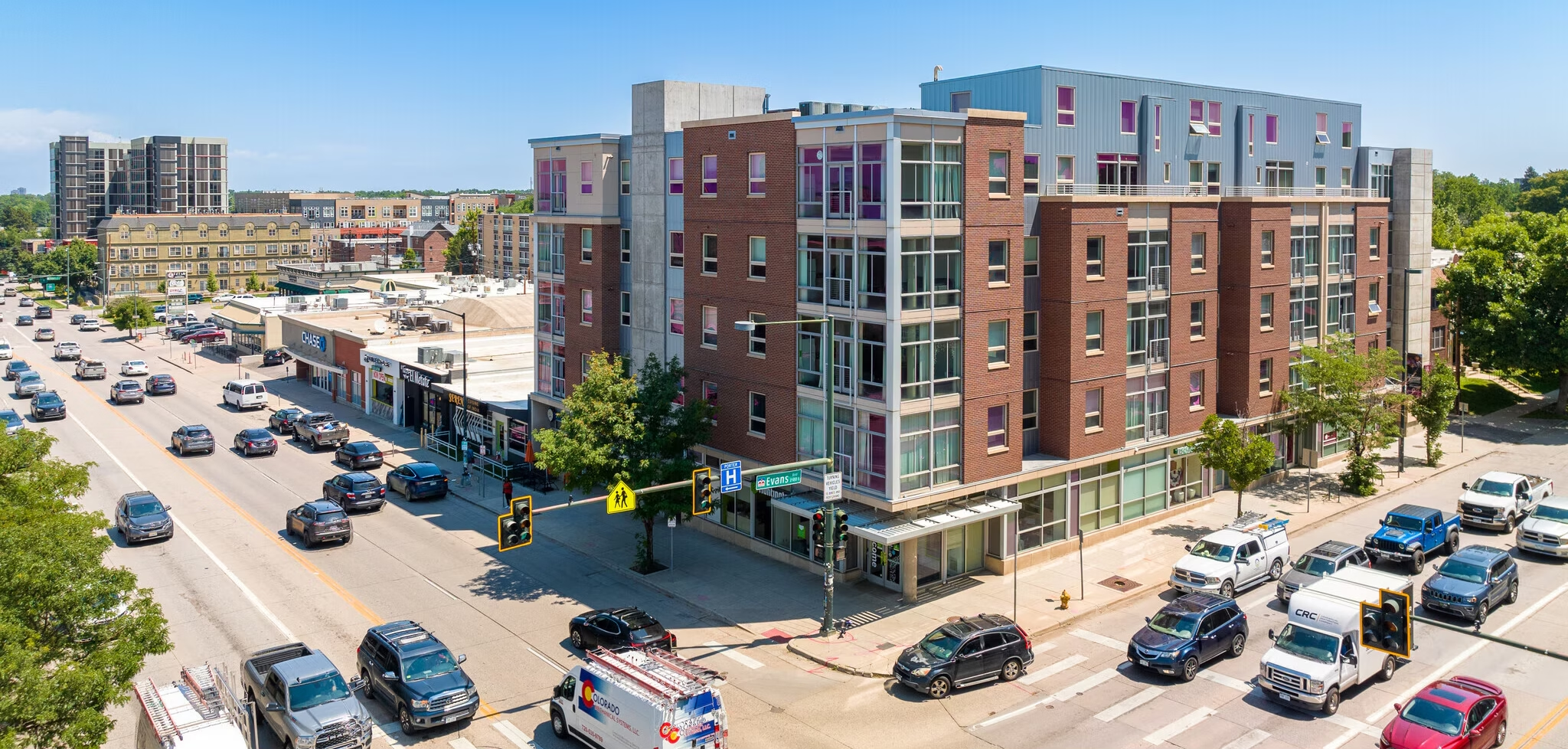
The DU + Evans Cluster
Immediately west of University Park, the DU / Evans area contains one of the neighborhood’s most useful clusters of coffee shops and casual restaurants. It should be described as near University Park rather than automatically treated as inside the official neighborhood.
For residents on the western side of University Park, these businesses can function as part of everyday neighborhood life despite sitting across the statistical boundary.
Kaladi Coffee Roasters
1730 E Evans Ave
Illegal Pete’s — DU
1744 E Evans Ave
Jerusalem Restaurant
1890 E Evans Ave
Istanbul Cafe & Bakery
2350 E Evans Ave
La Belle Rosette
2423 S University Blvd
Coffee + Casual Dining
The DU and Evans area provides the strongest nearby concentration of cafes, fast-casual dining, restaurants, and student-oriented activity.
Groceries + Regional Services
Colorado Boulevard provides access to larger-format retail and groceries, including King Soopers at 2750 S Colorado Blvd and Sprouts at 2880 S Colorado Blvd.
Everyday Errands
Safeway at Downing and Evans provides another nearby grocery option. South Pearl Street and other surrounding commercial districts broaden the dining and service choices beyond the immediate neighborhood edges.
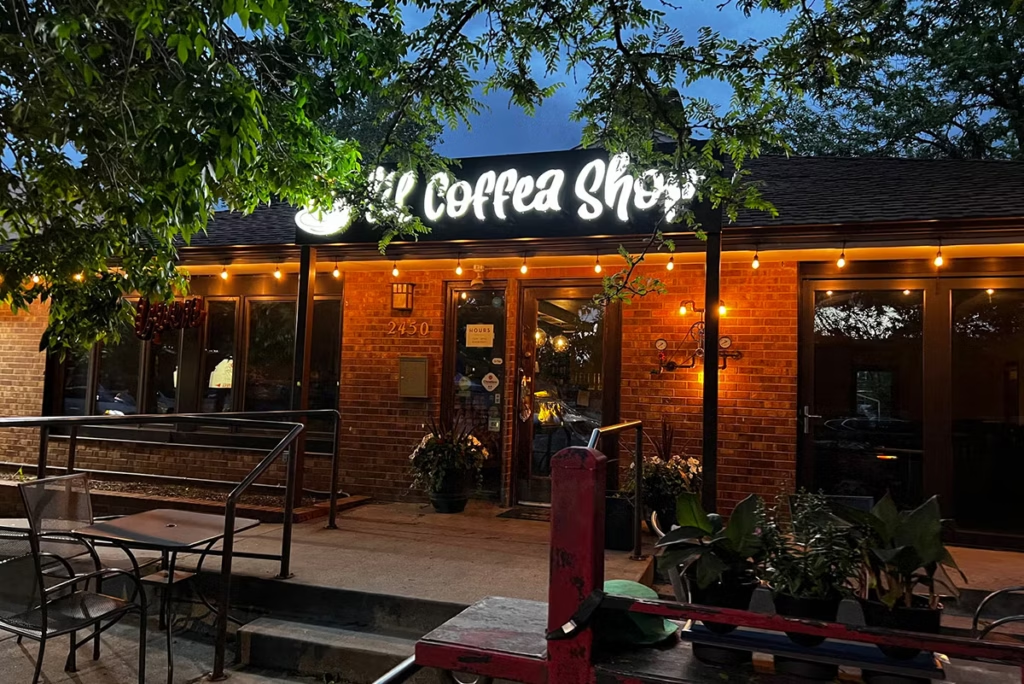

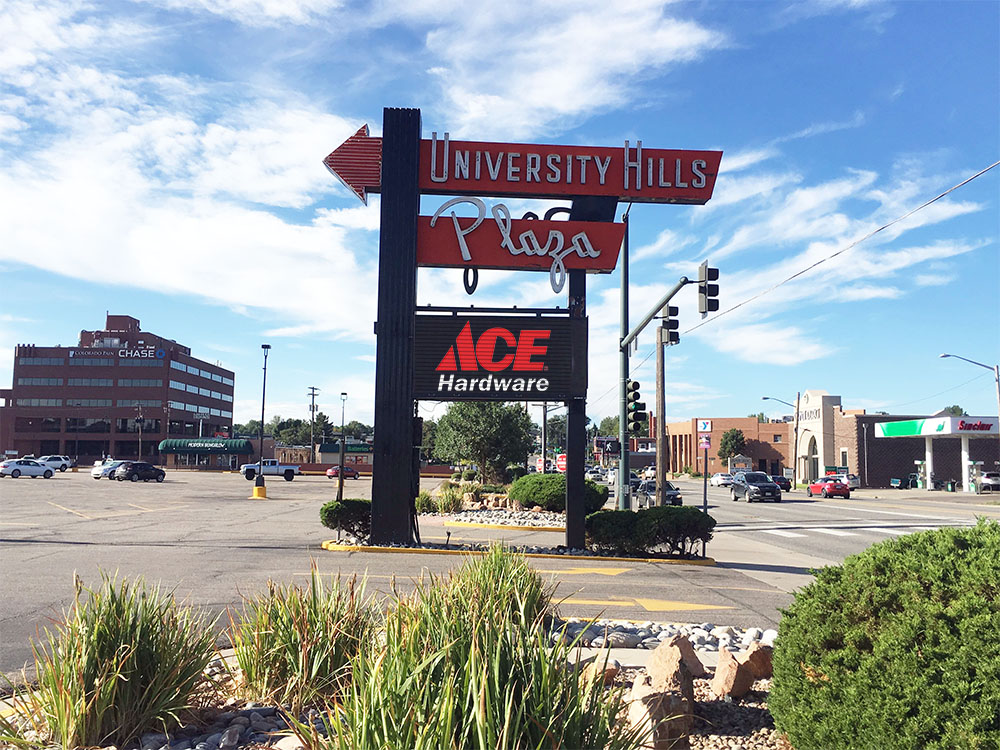
Walkability in University Park should be evaluated from the actual property—not from a neighborhood-wide score.
A house close to University Boulevard or Evans may place coffee, restaurants, and transit within an easy walk, while a home deeper in the neighborhood can feel much more residential and car-oriented for daily errands.
Neither condition is inherently better. The question is whether the balance between residential quiet and everyday access matches how you actually live.
Business verification: Featured businesses and grocery locations verified August 2026. Because restaurants and retail change over time, individual businesses should be rechecked during future Atlas maintenance reviews.
Parks, Trails + Getting Around
University Park combines neighborhood-scale open space with unusually strong regional transportation access. Observatory Park provides the primary civic green space, the Buchtel Boulevard corridor creates an east-west walking and bicycle connection, and two nearby rail stations connect the area to the larger RTD system.
But transportation access should not be reduced to a list of nearby amenities. The quality of the route from the individual property matters almost as much as the destination itself.
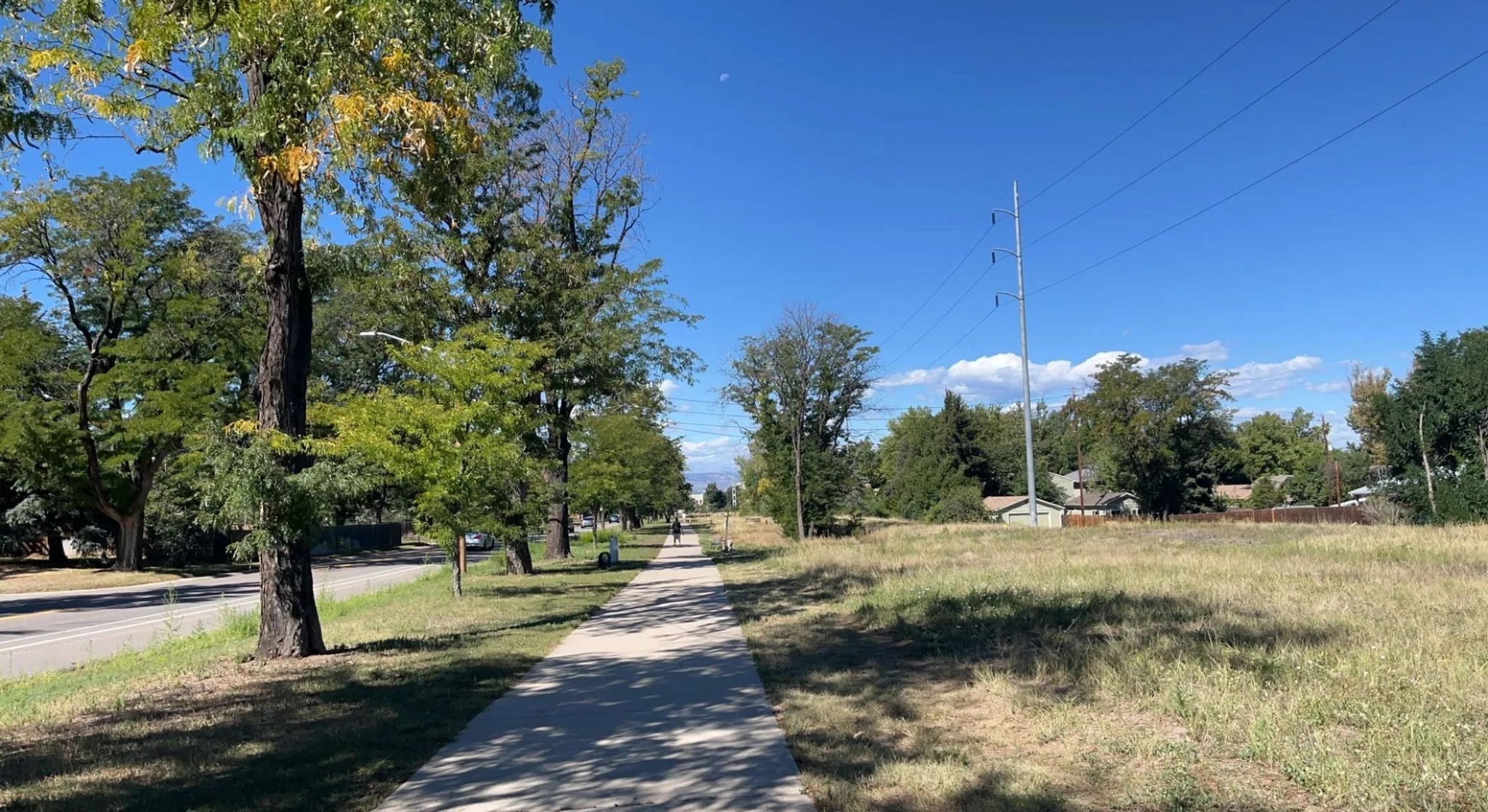
Observatory Park
The neighborhood’s principal civic open space supports walking, recreation, informal gathering, and the distinctive landscape setting around Chamberlin Observatory.
Buchtel Boulevard Corridor
The Buchtel corridor provides an important east-west bicycle and pedestrian connection and links toward the Colorado Station area. Its usefulness varies depending on crossings and the route from the individual property.
Regional Access
University Boulevard, Evans Avenue, Colorado Boulevard, Yale Avenue, I-25, and nearby rail service give University Park strong connections to the larger city and metro area.
Rail Access Near the Western Edge
The University of Denver Station sits just west of the neighborhood and is currently served by RTD’s E Line.
For homes on the western side of University Park, the station can provide meaningful transit access—but walking distance and route quality vary considerably by address.
Rail Access Near the Northeast
Colorado Station is another nearby E Line station and connects to the Buchtel corridor. It can be particularly relevant to properties in the northern and eastern portions of University Park.
Crossing Colorado Boulevard and other major streets can materially affect how convenient the station feels in practice.
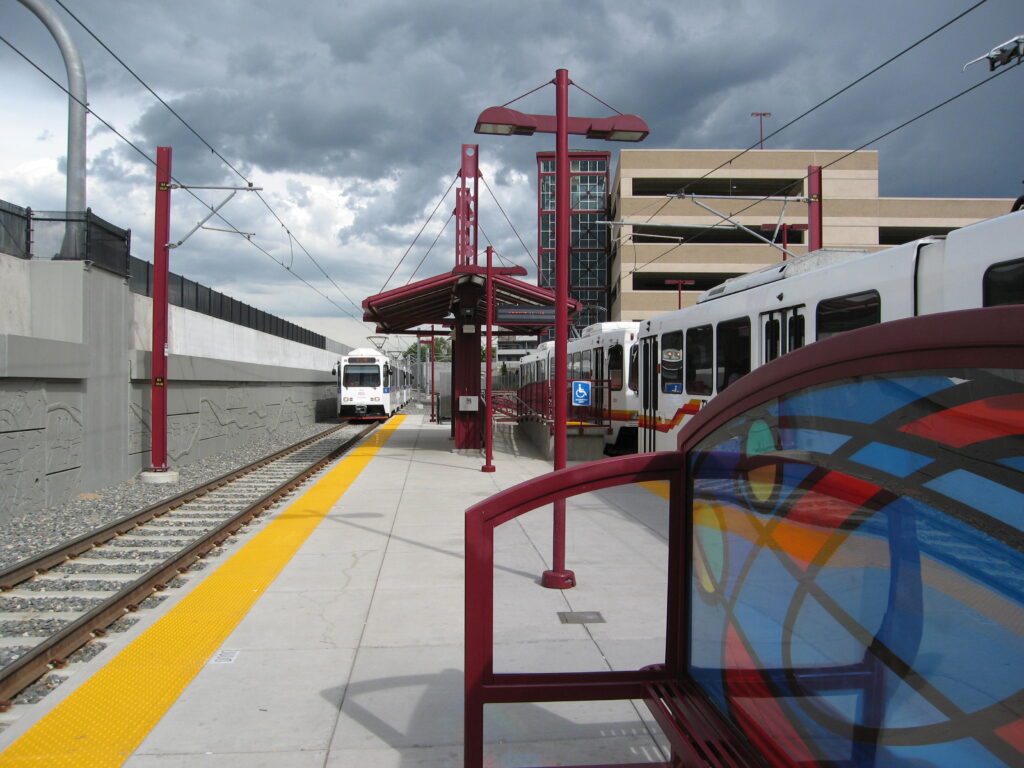
A Nearby Station Is Only Part of the Story
A transit station may appear close on a map while the actual route requires crossing a major roadway, navigating an indirect path, or walking beside higher-speed traffic.
The reverse can also be true: a property that appears farther away may have a comfortable, direct bicycle or pedestrian route.
Test the trip rather than relying only on measured distance.
Transportation creates both access and exposure.
Living near University Boulevard, Evans, Colorado Boulevard, I-25, or rail may improve the speed and convenience of getting around the city. Those same locations can also introduce more traffic, noise, pedestrian activity, or a less purely residential edge condition.
I would evaluate the actual property twice: first as a place to leave from, and then as a place to come home to. The best transportation location is the one where the access benefits are useful to you and the exposure trade-offs remain acceptable.
Transit verification: University of Denver Station and Colorado Station are served by RTD’s E Line as of August 2026. RTD suspended H Line service beginning June 7, 2026 during the current rail project. Transit service and schedules can change and should be rechecked during future Atlas reviews.
Planning source: City and County of Denver, University & Colorado Stations Multi-Station Plan + Mobility Study.
Schools + Education
Education is unusually visible in University Park. A Denver Public Schools elementary school sits within the neighborhood, independent schools add additional options, and the University of Denver immediately to the west has influenced the area since its earliest development.
For homebuyers, however, school proximity and school assignment are not the same thing. Public-school boundaries and enrollment zones should always be verified using the exact property address.
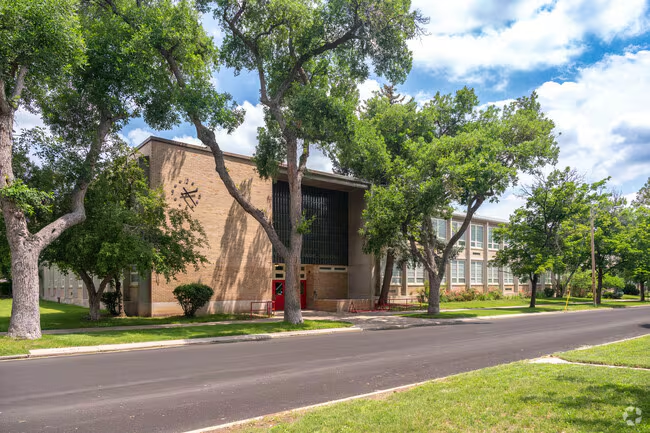
Verify the Address, Not the Neighborhood Name
DPS uses both traditional school boundaries and enrollment zones. The current assignment for a home should be confirmed through DPS School Finder using the specific street address and student grade level.
Do not rely solely on a listing, neighborhood guide, or proximity to a school.
University Park Elementary
2300 S. Saint Paul Street
University Park Elementary is physically located within the neighborhood. The school traces its history to 1893, when an early school building served families associated with the growing University Park community.
Merrill Middle School
1551 S. Monroe Street
Merrill is a nearby Denver Public Schools middle school. Its relevance to an individual property should be confirmed through the current DPS boundary information rather than assumed from neighborhood proximity.
Denver South High School
1700 E. Louisiana Avenue
Denver South is a nearby DPS high school. As with middle-school assignment, buyers should verify the current boundary for the exact home address.
St. Anne’s Episcopal School
2701 S. York Street
Age 3 through Grade 8
St. Anne’s is an independent, co-educational day school physically located in University Park.
Denver Academy
4400 E. Iliff Avenue
Grades 2–12
Denver Academy is a nearby independent school focused on differentiated education for students with varied learning profiles.
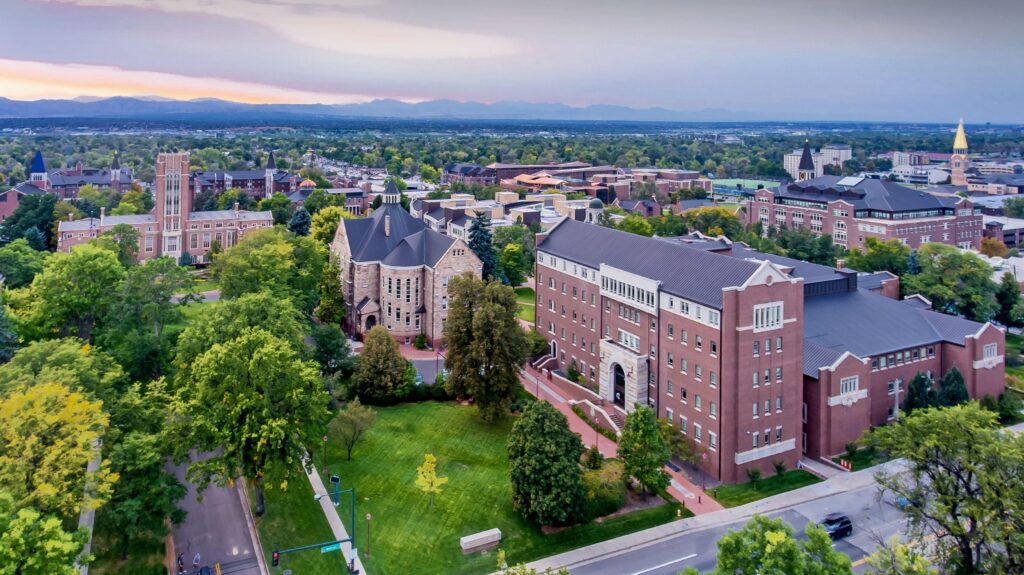
The University Is Part of the Educational Landscape
The University of Denver’s main campus sits immediately west of University Boulevard. Its presence extends beyond higher education itself: campus activity, cultural events, architecture, students, faculty, and transportation all contribute to the western edge of University Park.
Chamberlin Observatory creates an additional physical connection between the university and the residential neighborhood.
I would separate three different questions when a buyer tells me schools are important:
1. What public-school assignment applies to this exact address?
2. What other public or independent schools does the family want to consider?
3. How does the daily trip to those schools actually work from this property?
Those are different questions. A nearby school may not be the assigned school, and an assigned school may not be the school a family ultimately chooses.
The real-estate decision should be based on verified enrollment information and the family’s own educational priorities—not a generalized neighborhood school rating.
Verification note — August 2026: Public-school boundaries and enrollment zones can change. Verify the property address through the current Denver Public Schools School Finder. School locations, grade ranges, and independent-school information should also be reviewed during future Atlas maintenance updates.
University Park Market Analysis
University Park is not one housing market. Detached houses, townhouses, and condominiums compete at very different price levels, while the detached market itself ranges from smaller original homes to renovated properties and multi-million-dollar custom infill.
For that reason, neighborhood-wide medians are useful for context but should not be treated as direct evidence of what an individual home is worth.
Homes.com current University Park neighborhood data.
Homes.com current University Park neighborhood data.
Homes.com current University Park neighborhood data.
Current Neighborhood Snapshot
+43% Does Not Mean Every Home Appreciated 43%
Homes.com currently reports a 43% year-over-year increase in the neighborhood median sale price.
That statistic is highly sensitive to the mix of properties that sold. A period with more custom detached homes and fewer lower-priced attached units can raise the median sharply even when underlying property values are comparatively stable.
Treat this as a sales-composition signal—not a neighborhood appreciation rate.
Different Sources Measure Different Things
These figures are not contradictory. Homes.com and Realtor.com report transaction and listing metrics whose medians depend on the homes in the current sample. Zillow’s Home Value Index is a modeled measure designed to track changes in typical property values while reducing some of that sales-mix volatility.
The Broadest Market
The $1.655M detached median spans very different products. For valuation, separate at minimum:
• Original / lightly updated homes
• Renovated + expanded originals
• Recent custom + luxury infill
Lot size, location, architecture, renovation quality, and building generation can create large differences within this category.
A Separate Attached Market
The townhouse median is far below detached pricing and should be analyzed independently.
Compare unit size, fee structure, parking, outdoor space, construction quality, location, shared obligations, and the specific competing projects—not detached homes nearby.
Building-Level Analysis Matters
The current condo median is $390,000, but building-specific economics often matter more than the neighborhood median.
Review HOA dues, reserves, insurance, pending assessments, rental rules, parking, unit orientation, floor level, building condition, and recent sales within the same property whenever possible.
University Park is a good example of why I do not begin valuation with a neighborhood-wide price-per-square-foot number.
The same reported square footage can represent original construction, basement area, a major addition, a recent custom home, or an attached unit with very different ownership obligations.
The useful comparison is not simply the closest sale. It is the closest sale that represents the same real-estate product.
Market data verified August 18, 2026. Homes.com figures are neighborhood-level current / rolling metrics. Realtor.com figures reflect June 2026 market reporting. Zillow ZHVI reflects data through June 30, 2026. Public portals use different methodologies and update schedules; figures should not be combined as though they are one dataset.
Buying in University Park + Observatory Park
Buying well in University Park requires more than finding the right number of bedrooms. The neighborhood contains multiple building generations, extensive renovation and redevelopment, meaningful block-to-block differences, and lots whose long-term value can depend as much on orientation and surrounding context as on the house itself.
The most useful evaluation separates four questions: What are you buying? What is the lot doing for you? What rules affect the property? And how does this exact location function?
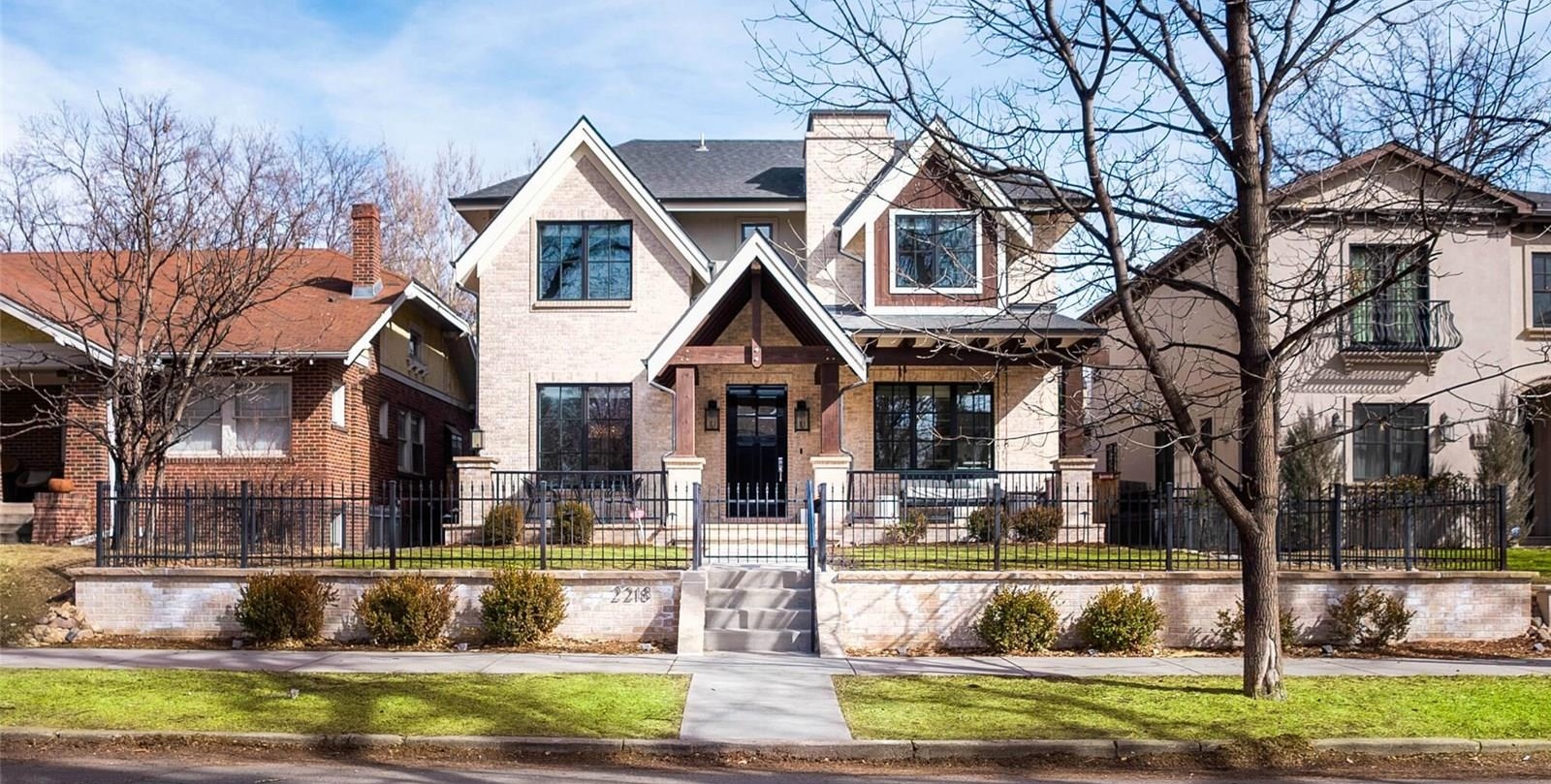
Understand the House You Are Actually Buying
Housing generation — Early house, postwar ranch, traditional two-story, expanded original, or recent custom construction?
Renovation history — What is original, what was altered, and when?
Systems — Roof, electrical, plumbing, HVAC, sewer, windows, insulation, foundation, and drainage.
Design quality — Daylight, circulation, room proportions, ceiling heights, privacy, storage, and outdoor connection.
Evaluate the Lot as a Long-Term Asset
Orientation — How do sun, shade, and prevailing views affect the property?
Lot coverage — How much usable yard remains relative to the size of the house?
Mature landscape — Trees and established planting can be difficult and expensive to recreate.
Neighbor relationships — Look at height, windows, setbacks, redevelopment potential, and privacy on adjacent lots.
Know What You Can—and Cannot—Assume
Zoning — Confirm the current zone district and applicable building standards.
Historic status — Verify whether the individual property is within a designated historic district or otherwise subject to historic review.
Permits — Review available permit history for major additions, renovations, or recent construction.
Future plans — If expansion or replacement matters to the purchase, investigate feasibility before assuming it is possible.
The Same Neighborhood Name Can Hide Very Different Conditions
Block character — Housing scale, redevelopment, traffic, trees, and street activity.
Observatory Park relationship — Actual views, walking route, activity, and open-space benefit.
DU relationship — Proximity can improve access while also changing activity levels.
Major streets + transit — Evaluate both convenience and exposure to traffic, rail, noise, and pedestrian activity.
Questions Worth Asking Before You Commit
Is the square footage genuinely useful?
What systems are actually new—and what only looks new?
What would be expensive or impossible to change?
How might adjacent redevelopment affect daylight or privacy?
Does the lot support the way I want to live?
Would I still like this property if the neighboring houses changed?
Spend Your Due Diligence on the Things That Are Hardest to Fix
Hard to change:
Lot orientation, block position, adjacent uses, major-street exposure, mature trees, lot width, park relationship.
Often changeable:
Finishes, fixtures, kitchens, bathrooms, some layouts, landscaping, and selected building systems.
A beautiful renovation cannot compensate for every site or location problem.
I would rather buy a well-positioned house with fixable shortcomings than a beautifully finished house with a location problem I cannot change.
In University Park, the strongest decisions usually come from understanding the property at four scales: the building, the lot, the block, and the larger neighborhood position.
That framework is especially important here because two houses with similar price, size, and bedroom count can represent very different long-term ownership experiences.
Evaluate the House, Lot, Block, and Location Together
If you are considering buying a University Park property, I help you evaluate the building generation, architecture, condition, renovation history, lot, orientation, neighboring development, park and DU relationship, market position, value, offer strategy, and due diligence together before you commit.
Selling in University Park + Observatory Park
Owning a home in University Park often means managing a property within a neighborhood that is still evolving. Older houses may require continued system investment. Renovated homes may need careful documentation. Expanded houses can involve complex transitions between old and new construction. Newer custom homes still require thoughtful maintenance and long-term planning.
For sellers, the same diversity means that the right competitive set is rarely every nearby house with similar square footage. A property should be positioned according to what it actually is.
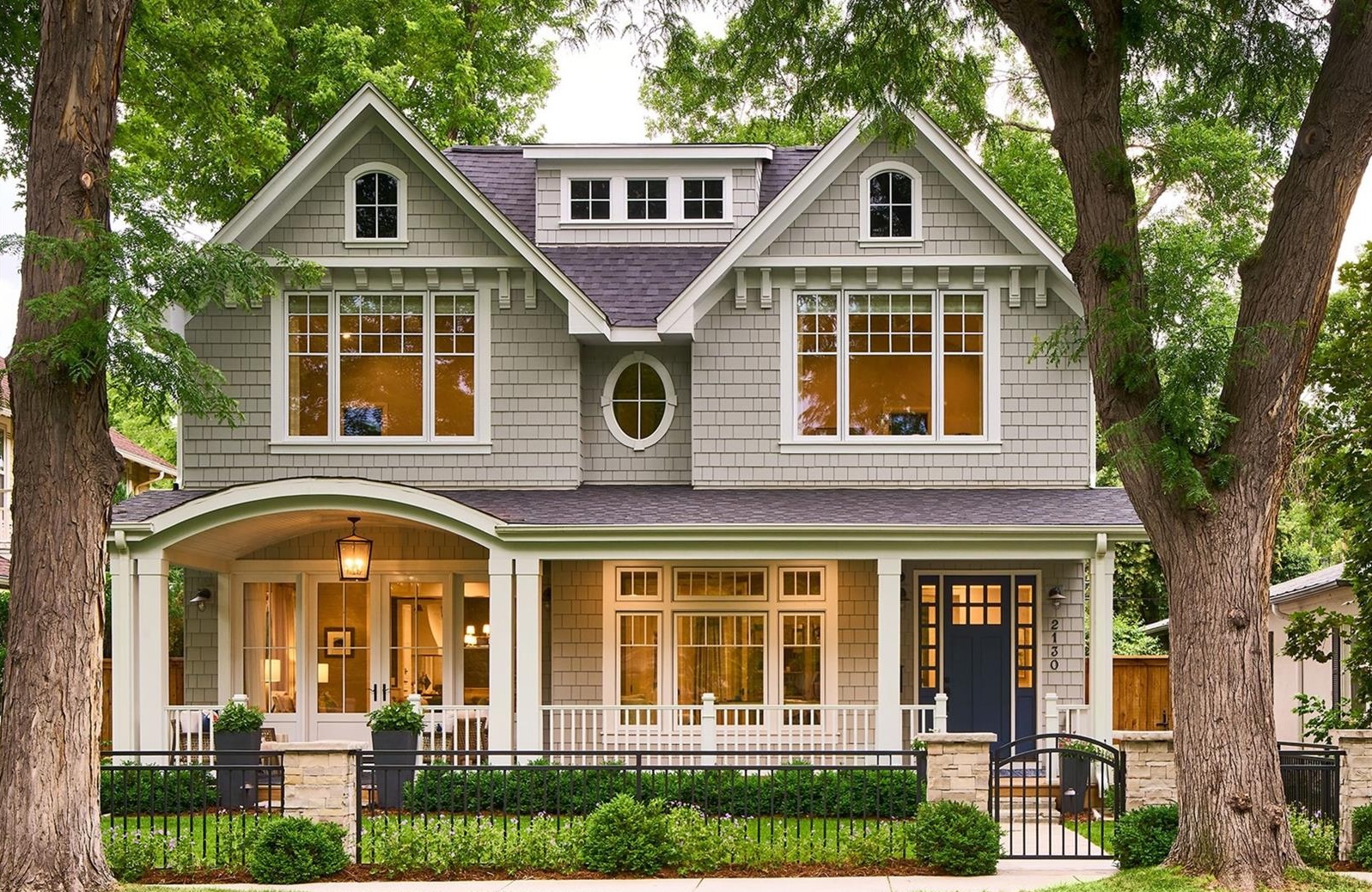
Protect the Building Before Chasing Finishes
Prioritize the systems that protect the house: roof, drainage, foundation conditions, sewer, electrical, plumbing, HVAC, windows, exterior envelope, and site drainage.
A renovated kitchen is easier to replace than damage caused by years of deferred building maintenance.
Renovate With the Whole House in Mind
Before adding space, ask whether the existing floor plan can work better. If expansion is appropriate, consider circulation, daylight, roof form, backyard depth, privacy, structure, and how the addition changes the original architecture.
More square footage is not automatically better architecture.
Create a Useful Ownership Record
Keep permits, plans, contractor information, warranties, invoices, system replacements, roof records, sewer work, surveys, and renovation documentation together.
For a future buyer, credible documentation can help distinguish meaningful improvements from cosmetic updates.
Your Competitive Context Can Change
Nearby renovation and infill can change street scale, buyer expectations, price competition, and the way an existing house is perceived.
Owners should periodically reassess whether preservation, renovation, expansion, or simply excellent maintenance best supports the property.
Selling: Identify the Product Before Setting the Price
University Park’s housing diversity makes classification especially important when selling.
Original or lightly updated home
Emphasize lot, architecture, condition, improvement potential, and location without pretending it competes directly with turnkey custom construction.
Renovated or expanded original
Document what changed, when it changed, and how successfully the addition or renovation works.
Recent custom or semi-custom construction
Focus on design quality, builder, systems, materials, site planning, daylight, layout, and execution—not merely year built.
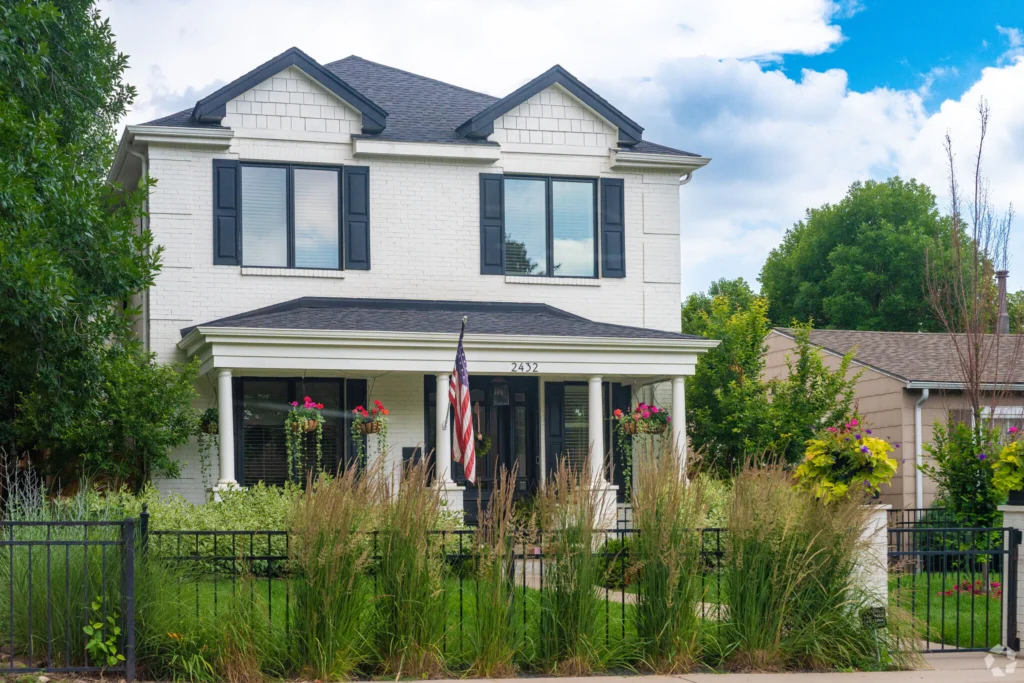
Describe What It Is
Identify the actual housing type, design strengths, renovation history, and construction generation.
Explain the Lot
Orientation, trees, backyard, park relationship, street character, and exposure can matter as much as interior finishes.
Compare Like With Like
Use comparable homes that reflect the same housing product, level of renovation, lot characteristics, and location condition.
The goal of renovation should not automatically be to make an older University Park house imitate the newest house on the block.
A strong property can retain the qualities that make it distinctive—proportion, mature landscape, useful lot relationships, original materials, or a comfortable scale—while solving the parts that no longer work.
When selling, the same principle applies. The most credible positioning explains what the house does well, what has actually been improved, and where it sits within the neighborhood’s broader housing spectrum.
Position the Property Within Its True Competitive Market
If you are considering selling a University Park property, I bring the housing generation, architecture, lot, condition, renovation history, Observatory Park or DU relationship, likely buyer, competitive set, preparation, pricing, marketing, and negotiation together into a strategy for the individual home.
Is University Park + Observatory Park Right for You?
University Park offers a combination that is difficult to summarize with a single label: mature residential streets, multiple generations of architecture, Observatory Park, proximity to the University of Denver, regional transportation access, and continuing reinvestment.
Those qualities will be valuable to some buyers and less important—or even undesirable—to others. The better question is not whether University Park is a “good neighborhood.” It is whether the neighborhood’s particular trade-offs align with the way you want to live and the kind of property you want to own.
These Qualities Matter to You
• Mature residential streets and established landscape
• Architectural variety rather than uniformity
• Access to Observatory Park
• Proximity to the University of Denver
• A mix of older, renovated, and contemporary housing choices
• Strong connections to major roads, transit, and the larger city
• The possibility of finding very different housing products within one neighborhood
These Conditions Are Important to Avoid
• You strongly prefer architectural uniformity
• You want every block to have a predictable housing scale
• Uniform walkability is a major requirement
• You want substantial separation from university-related activity
• You want uniformly new construction and newer building systems
• Nearby redevelopment would materially reduce your enjoyment of a property
• Major-street or transportation exposure is particularly sensitive for you
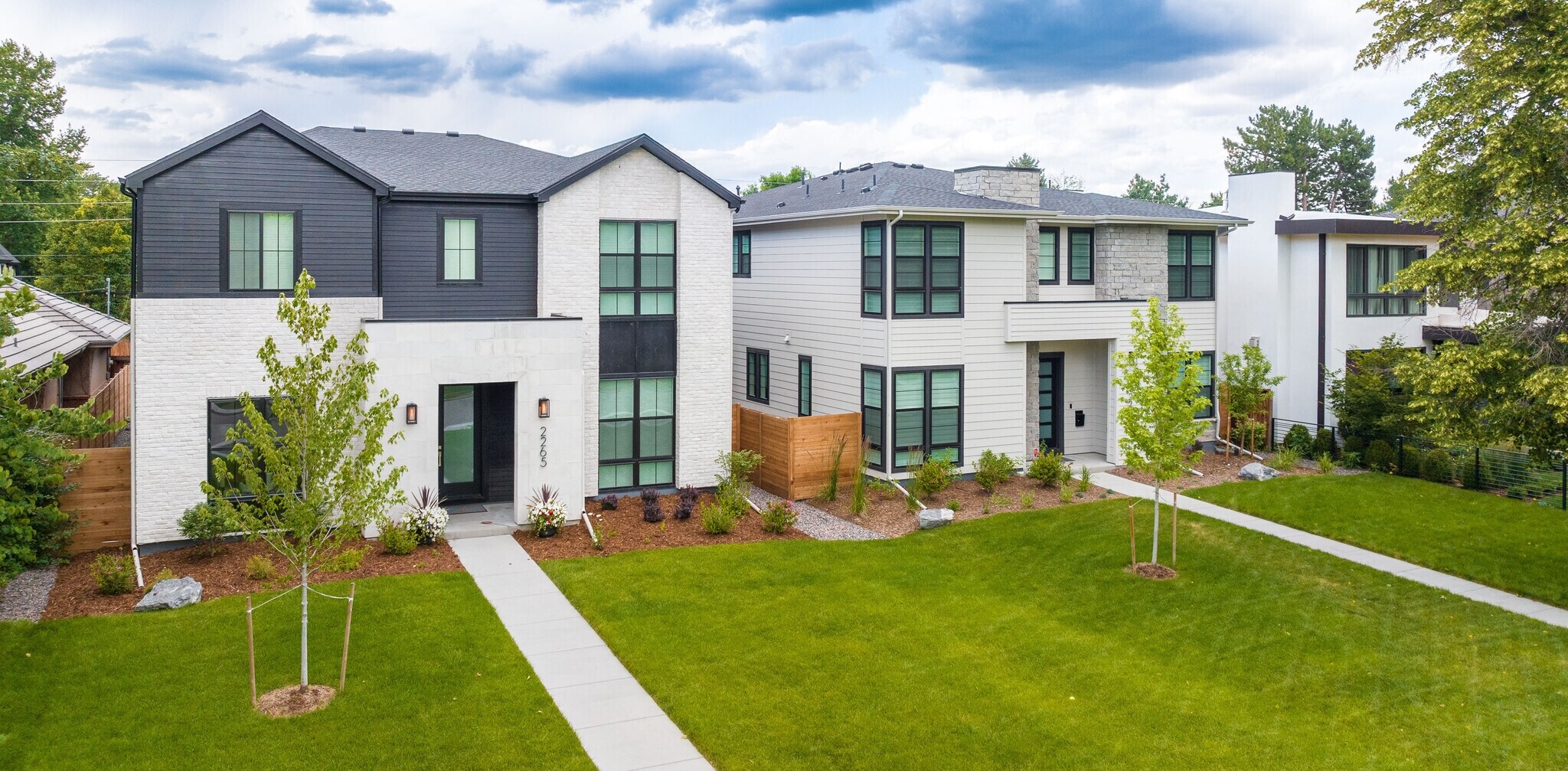
Frequently Asked Questions
Practical answers to common questions about living, buying, renovating, and owning property in University Park.
No. University Park is the official Denver statistical neighborhood. Observatory Park is a park, civic landmark, and widely used residential identity within University Park rather than a separate official statistical neighborhood.
The main DU campus lies primarily west of University Boulevard, immediately outside the official University Park statistical-neighborhood boundary. Its proximity still has a significant influence on the western portion of University Park.
Yes. University Park contains historically significant buildings and designated historic resources. Historic status is property-specific, however, and should be verified for the individual parcel rather than assumed based on proximity to Observatory Park or an older house.
The housing mix includes early University Park houses, bungalows and Foursquares, postwar ranches, traditional two-story homes, renovated and expanded originals, and a prominent layer of contemporary custom and modern-traditional infill.
New custom and replacement construction is an important part of the current housing landscape, but it does not represent every property. Many blocks still contain substantial numbers of older and postwar homes, often mixed with additions, renovations, and newer infill.
Walkability varies significantly by address. Properties closer to University Boulevard, Evans Avenue, DU, Observatory Park, and nearby commercial areas may have more destinations within a convenient walk. Homes deeper in the residential interior can feel much more car-oriented for everyday errands.
Yes. University of Denver Station and Colorado Station are nearby. The usefulness of rail access depends on the specific property, actual walking or bicycle route, major-street crossings, and current RTD service. Transit schedules should be verified directly with RTD.
Proximity can be meaningful, but distance alone does not determine value. A property’s orientation, views, walking relationship, street position, privacy, and actual connection to the park can matter more than a simple radius around the open space.
Inspection priorities should reflect the individual house, but buyers commonly need to understand foundation conditions, sewer, drainage, roof, electrical, plumbing, HVAC, windows, insulation, previous additions, and the quality and permitting history of renovations.
Potentially, but feasibility depends on zoning, lot conditions, building configuration, setbacks, applicable building codes, and any historic-review requirements. If expansion is important to the purchase, investigate those constraints before assuming a particular project is possible.
No. New construction can provide modern systems and layouts, but design quality, construction execution, daylight, lot coverage, privacy, materials, drainage, and relationship to the site still require evaluation. Newer and better are not synonymous.
Begin by identifying the housing product. An original ranch, expanded older home, recent custom house, townhouse, and condominium should not be treated as interchangeable simply because they share a neighborhood and similar reported square footage. Use the market section of this guide as context, then compare the individual property with genuinely similar sales.
Not equally. University-related activity is generally more noticeable near the western and northern edges and along major routes. Deeper residential blocks may feel substantially removed from campus activity despite being in the same neighborhood.
Evaluate the property at multiple scales: the house, the lot, the block, and its position within University Park. The neighborhood contains enough variation that the individual property and micro-location are usually more informative than the neighborhood name alone.
Decide With Better Information
University Park / Observatory Park offer several very different ways to live in the same part of Denver. The goal of this guide is not to tell you whether the neighborhood is right for you—it is to help you understand which environment, building type, and property might be.
Evaluate a Property
If you are considering a specific home, I can look beyond the listing and help you evaluate the building, lot, block, market position, and potential tradeoffs together.
Compare Neighborhoods
Use the Neighborhood Atlas to compare architecture, housing, lifestyle, schools, transportation, market conditions, and tradeoffs across Denver neighborhoods.
Guide information should be verified for the specific property and decision being considered.