
The Complete Guide to Buying a Home in Denver
Whether you are buying your first home, relocating to Colorado, or planning your next move, this guide will help you understand the Denver home buying process—from financing and neighborhood selection to inspections, negotiations, and closing.
17+ Years as a Denver Real Estate Agent · Licensed Architect · 500+ Buyers and Sellers Helped
THE DENVER HOME BUYING PROCESS
Your Home Buying Journey, Step by Step
Buying a home becomes more manageable when you understand the sequence, the decisions, and the risks at each stage. This roadmap shows how the Denver home buying process typically moves from early planning through closing and ownership.
Buyer Consultation
Clarify your goals, timing, budget, preferred locations, and the decisions ahead.
Mortgage Pre-Approval
Understand purchasing power, loan options, estimated payments, and funds needed.
Explore Neighborhoods
Compare Denver neighborhoods by lifestyle, housing, commute, amenities, and value.
Search for Homes
Create a focused search that reflects your priorities instead of chasing every listing.
Tour Properties
Evaluate layout, condition, construction, location, and long-term fit beyond surface finishes.
Write a Competitive Offer
Build an offer strategy around price, terms, contingencies, risk, and market conditions.
Complete Inspections
Investigate the home carefully and prioritize findings that affect safety, cost, and value.
Appraisal & Financing
Complete lender requirements, confirm value, review documents, and prepare for closing.
Closing Day
Verify final figures, protect your funds, sign documents, and complete the purchase.
Welcome Home
Take possession, organize essential records, and begin ownership with a practical plan.
Every purchase is different. The order may shift based on financing, property type, market conditions, and your personal timeline. The purpose of the process is not to rush you forward—it is to help you make each decision with the right information.
Work With a Denver Buyer Agent Who Evaluates More Than the Listing
If you are preparing to buy, I combine neighborhood and market analysis with an architect’s perspective on the property itself—from layout and condition to renovation potential, value, offer strategy, and due diligence.
DENVER HOME BUYER RESOURCES
Explore Denver Home Buyer Guides
Start with the topic that matches your current questions. Each guide is designed to help you understand the decisions, costs, risks, and opportunities involved in buying a home in Denver.
Learn what a Realtor really does, where they add value, and when going it alone may make sense.
Understand the Denver home buying process, prepare your finances, avoid common mistakes, and make your first purchase with greater confidence.
Compare neighborhoods, housing choices, commutes, schools, climate, and everyday lifestyle before planning your move to the Denver area.
Learn how pre-approval, mortgage programs, down payments, interest rates, closing costs, and monthly affordability fit together.
Learn the Colorado home buying process, from the Buyer Agency Agreement and Purchase Contract through inspections, financing, closing, and possession.
Use the ttArch Neighborhood Atlas™ to compare local housing, architecture, parks, amenities, schools, mobility, and market context.

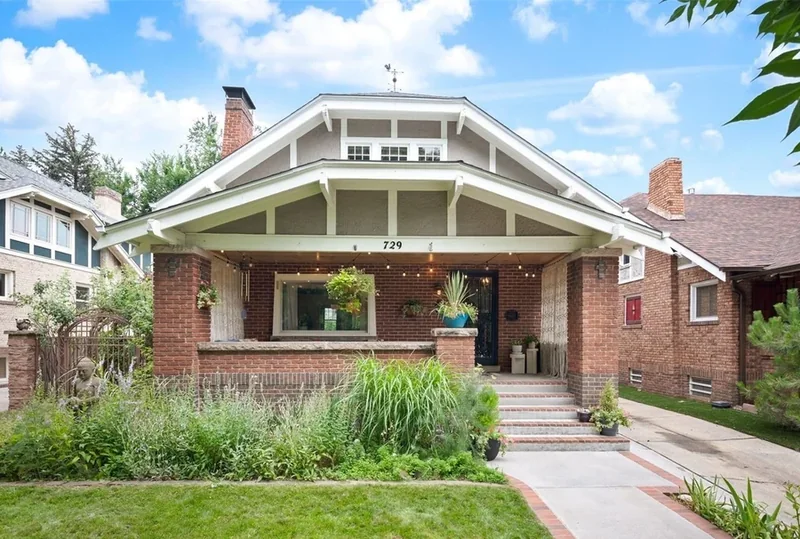
Belcaro Neighborhood

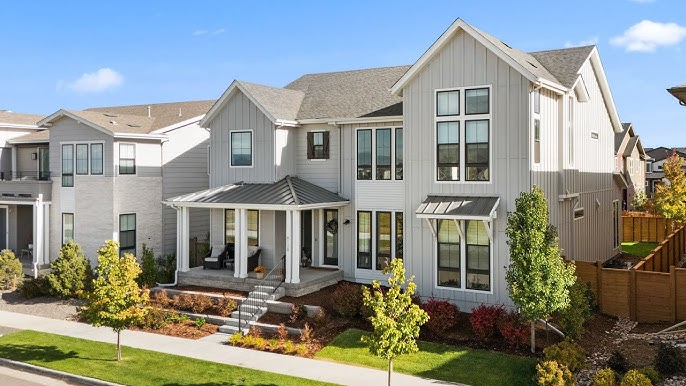
Central Park Neighborhood
FINDING YOUR PLACE IN DENVER
Choosing the Right Denver Neighborhood
The right home is only part of the decision. Your neighborhood affects your daily routine, commute, access to parks and amenities, housing options, and how well the property may support your long-term plans.
The ttArch Neighborhood Atlas™ helps you compare Denver neighborhoods through a consistent, research-driven framework—so you can move beyond general impressions and focus on the places that genuinely fit your priorities.
Lifestyle & Daily Rhythm
Consider how the area feels throughout the day, including walkability, noise, dining, shopping, recreation, and the routines you want your location to support.
Housing & Architecture
Compare home styles, ages, floor plans, lot patterns, renovation potential, construction quality, and the design character that distinguishes each neighborhood.
Commute & Connectivity
Evaluate travel times, transit, bicycle access, major corridors, airport access, and how easily the neighborhood connects to the places you visit most.
Schools & Community Resources
Review school boundaries carefully and consider libraries, recreation centers, healthcare, community organizations, and other resources important to daily life.
Parks & Local Amenities
Look at access to parks, trails, open space, coffee shops, restaurants, grocery stores, cultural destinations, and the amenities that shape the neighborhood experience.
Market Position & Long-Term Value
Understand housing supply, buyer demand, price patterns, development activity, resale considerations, and the forces that may influence future marketability.
FINANCING YOUR DENVER HOME
Understanding Home Financing and Your True Buying Power
A strong home search begins with a clear understanding of what you can comfortably afford—not simply the maximum amount a lender may approve. The right financing strategy should reflect your monthly budget, cash reserves, long-term plans, and the complete cost of owning the property.
BUILD THE RIGHT FINANCING PLAN
Start With the Payment, Not Just the Purchase Price
Your loan program, interest rate, down payment, closing costs, and property-specific expenses all affect what a home will cost each month. Before touring seriously, establish a financing plan that protects your flexibility after closing.
- Review income, credit, debts, and available funds before setting a search range.
- Compare loan programs and lender fees rather than focusing only on the advertised rate.
- Preserve emergency and repair reserves instead of using every available dollar at closing.
- Revisit the numbers for each property because taxes, insurance, HOA dues, and condition vary.
THE COMPLETE MONTHLY COST
What to Include in Your Homeownership Budget
01
Principal & Interest
The core mortgage payment based on the loan amount, term, and interest rate.
02
Property Taxes & Insurance
Costs that may be escrowed with the loan and can vary meaningfully by property.
03
HOA or Metro District Costs
Recurring assessments that affect affordability and should be reviewed carefully.
04
Utilities & Routine Maintenance
Ongoing operating costs plus a practical allowance for repairs and upkeep.
05
Future Projects & Reserves
Funds for near-term improvements, major systems, and unexpected ownership expenses.
Important: Loan terms, rates, insurance costs, taxes, and qualification standards change. Obtain property-specific estimates from qualified lending, insurance, tax, and legal professionals before making a financial decision.
FINDING THE RIGHT DENVER HOME
Finding the Right Home Is About More Than Checking Boxes
The strongest purchase is not necessarily the newest home, the largest home, or the one with the most impressive finishes. It is the property that best aligns with your lifestyle, budget, risk tolerance, and long-term plans.
My role is to help you evaluate each home as both a place to live and a significant financial asset—so enthusiasm is balanced with careful analysis.
A disciplined home search should answer three questions:
- Does this home work for your life today?
- Can you comfortably manage its true costs and risks?
- Is it likely to remain functional and marketable as your needs change?
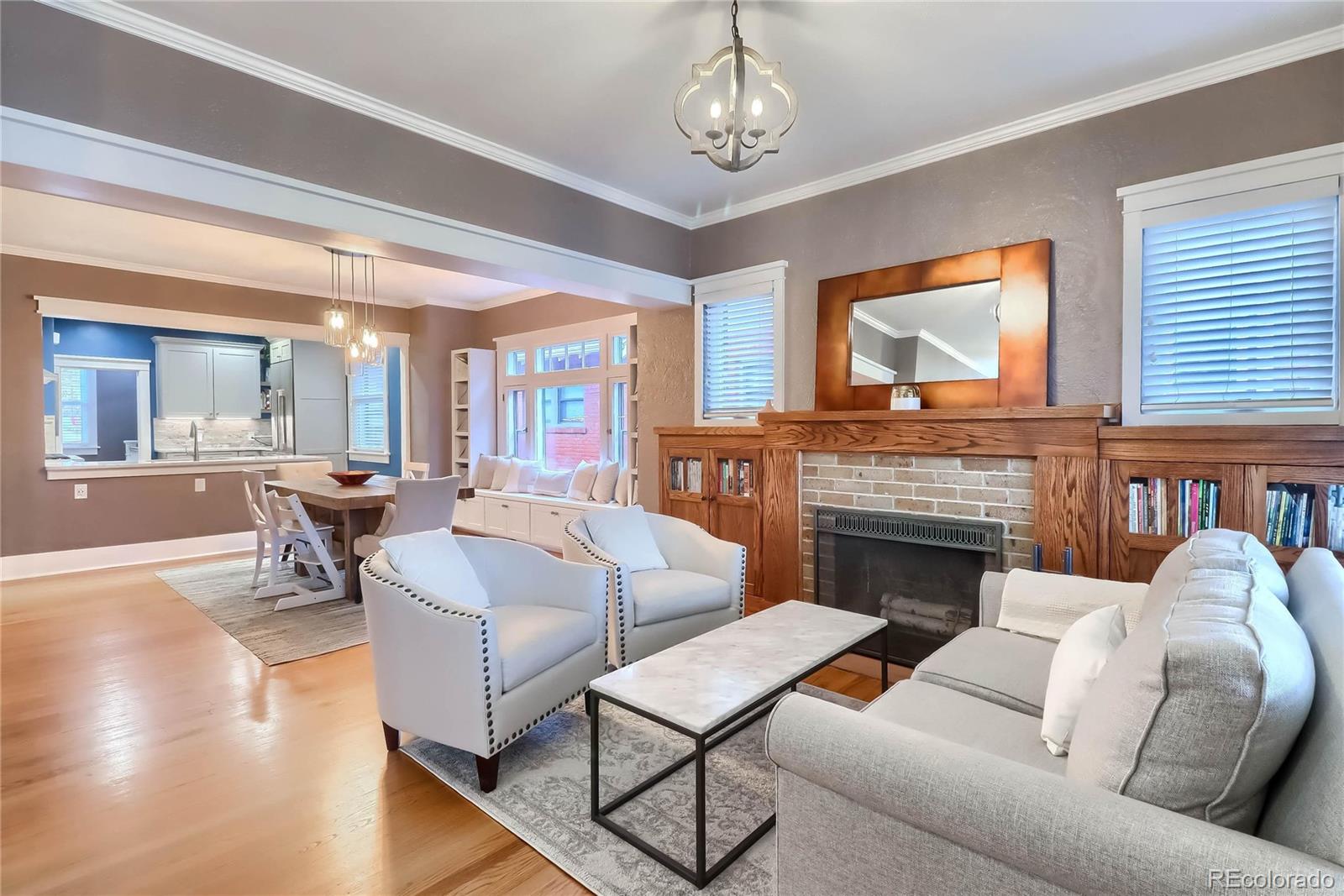
HOW TO EVALUATE EACH PROPERTY
A Practical Framework for Comparing Homes
Use the same decision framework for every serious candidate. A consistent process makes tradeoffs easier to understand and helps prevent one attractive feature from overshadowing larger concerns.
01
Location Before Finishes
Evaluate the block, street activity, nearby uses, commute patterns, and neighborhood trajectory before being distracted by cosmetic upgrades.
02
Layout and Daily Function
Consider circulation, room relationships, storage, natural light, privacy, and whether the home supports how you actually live.
03
Condition and Risk
Look beyond visible finishes to the roof, structure, drainage, major systems, deferred maintenance, and likely near-term expenses.
04
Renovation Potential
Identify which improvements are realistic, what constraints may exist, and whether the cost and disruption align with your goals.
05
Total Cost of Ownership
Factor in taxes, insurance, HOA obligations, utilities, maintenance, commuting, and anticipated capital improvements.
06
Resale and Long-Term Value
Think ahead to future buyer appeal, marketability, neighborhood demand, and features that may support or limit resale.
Buyer perspective: No property is perfect. The goal is to understand the compromises clearly, decide which ones are acceptable, and avoid paying a premium for features that do not meaningfully improve your life or protect long-term value.
FINDING THE RIGHT DENVER HOME
Looking Beyond the Finishes Before You Buy
Fresh paint, new countertops, and attractive staging can make a strong first impression—but they do not reveal how a home was assembled, how well it has been maintained, or what may require investment after closing.
As a Denver real estate agent and licensed architect, I help buyers look beyond presentation to understand a property’s design, condition, constraints, and long-term potential.
An architect-informed review considers three layers:
- What is visible during the showing?
- What does the home’s design and condition suggest may be happening beneath the surface?
- How easily can the property adapt to your future needs?
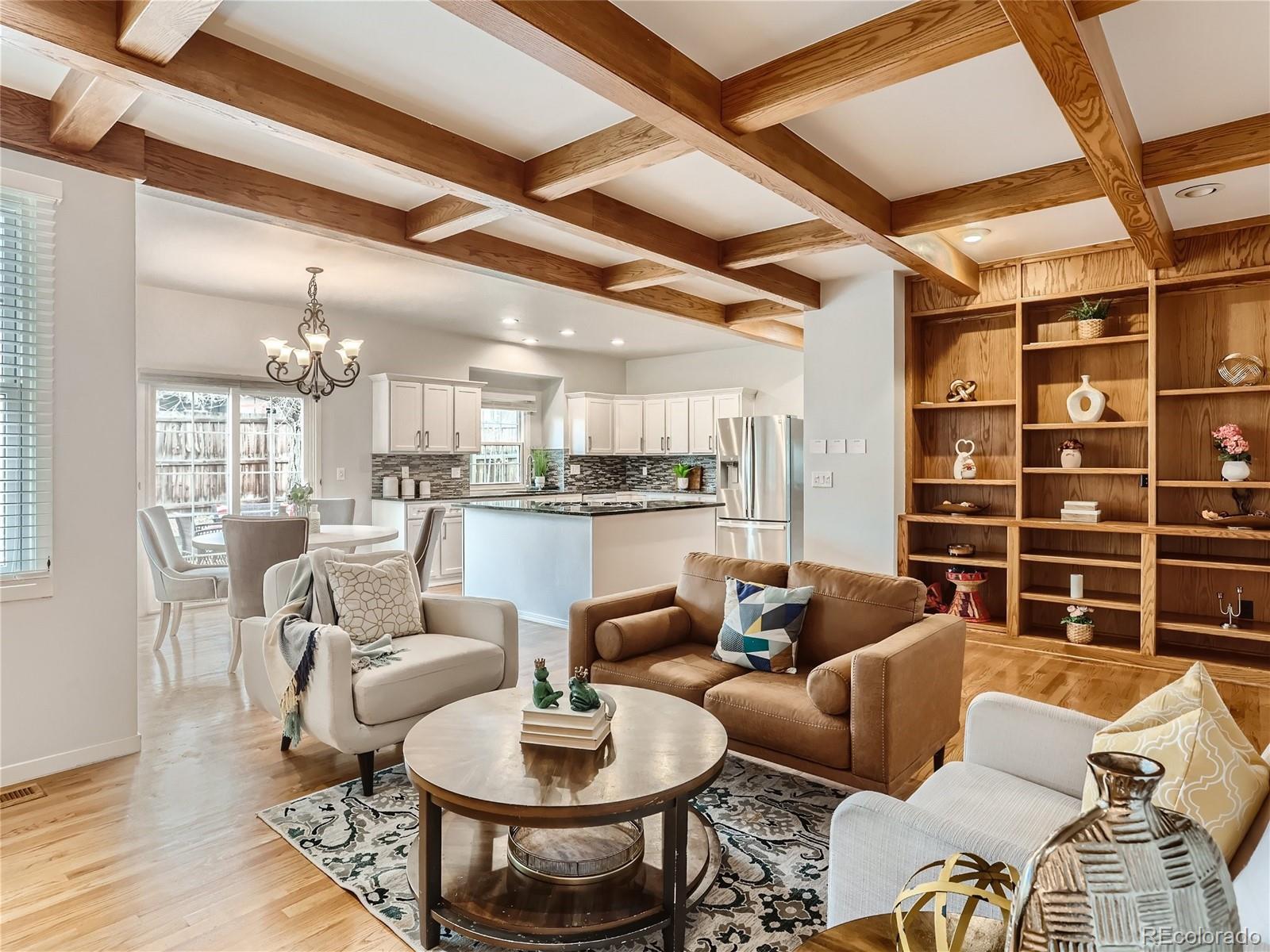
HOW TO EVALUATE EACH PROPERTY
Six Ways an Architect Evaluates a Home
This is not a substitute for a professional inspection, engineering evaluation, or contractor estimate. It is an added layer of practical analysis that helps identify questions earlier and makes the inspection period more productive.
01
Site, Drainage & Orientation
Review grading, drainage patterns, retaining walls, solar exposure, lot usability, nearby conditions, and how the home sits on the site.
02
Structure & Building Envelope
Look for clues involving foundations, framing, roof geometry, exterior materials, windows, moisture management, and past repairs.
03
Major Systems & Remaining Life
Consider the apparent age and condition of roofing, heating, cooling, plumbing, electrical service, sewer components, and other major systems.
04
Layout, Light & Livability
Evaluate circulation, room proportions, ceiling height, natural light, privacy, storage, and whether the plan supports everyday life.
05
Renovation Feasibility
Distinguish cosmetic changes from structural work and consider permitting, zoning, access, mechanical constraints, cost, and disruption.
06
Adaptability & Long-Term Value
Consider whether the home can evolve, which limitations are difficult to change, and how its design may affect future marketability.
The advantage: You do not need to become an architect to buy confidently. You need a clear framework, the right specialists, and an advisor who can help separate ordinary maintenance from meaningful risk—and true potential from expensive wishful thinking.

MAKING THE RIGHT OFFER
Building a Competitive Offer Without Taking Unnecessary Risks
A strong offer is not always the highest offer. It is the offer that aligns price, terms, timing, and certainty with the seller’s priorities while protecting the buyer from avoidable risk.
I help Denver buyers evaluate the market, understand the tradeoffs inside each contract term, and build an offer strategy that is competitive, deliberate, and appropriate for the property.
A well-structured offer balances three priorities:
- Present a price supported by the property and current market.
- Use terms that increase clarity and confidence for the seller.
- Preserve the protections that matter most to your finances and decision-making.
HOW TO EVALUATE EACH PROPERTY
Six Parts of a Competitive Purchase Offer
Every offer should be tailored to the property, current competition, your financing, and your tolerance for risk. The goal is not to remove protections automatically—it is to understand each term before deciding where flexibility may improve your position.
01
Price & Market Position
Compare recent sales, active competition, property condition, days on market, price changes, and the likelihood of multiple offers before selecting an offer price.
02
Earnest Money & Financial Strength
Use earnest money, lender documentation, down payment strength, and proof of funds to demonstrate commitment and reduce uncertainty for the seller.
03
Financing & Appraisal Strategy
Evaluate loan type, appraisal exposure, lender readiness, and possible appraisal-gap options without committing to more cash risk than you can comfortably absorb.
04
Inspection Terms & Due Diligence
Choose an inspection approach that reflects the home’s age, condition, and competition while preserving access to the information needed for an informed purchase.
05
Dates, Possession & Seller Priorities
Coordinate closing, possession, post-closing occupancy, deadlines, and other timing terms around your needs and the seller’s stated priorities.
06
Contingencies & Risk Balance
Review financing, appraisal, title, insurance, association, inspection, and sale-related contingencies so every concession is intentional and understood.
The advantage: You can compete without guessing. A clear offer strategy helps you understand what strengthens the contract, what creates risk, and which terms are worth adjusting for a home you truly want.
HOME INSPECTIONS & DUE DILIGENCE
Understanding the Home Before You Complete the Purchase
A home inspection is not a pass-or-fail test. It is an opportunity to understand the property’s condition, identify material concerns, plan for future maintenance, and decide whether the home still fits your goals and risk tolerance.
A thoughtful due-diligence process helps you:
- Investigate the home beyond its visible finishes.
- Separate routine maintenance from significant defects or safety concerns.
- Evaluate repair costs, specialist recommendations, insurance considerations, and long-term ownership needs before key contract deadlines.

A COMPLETE PROPERTY REVIEW
Six Essential Parts of Buyer Due Diligence
The appropriate inspections vary by the home’s age, construction, location, systems, and known risks. Your inspection plan should be tailored to the property rather than limited to a generic checklist.
01
General Home Inspection
Start with a broad visual evaluation of the structure, roof, exterior, interior, plumbing, electrical, heating, cooling, ventilation, and other accessible components of the home.
02
Structure, Roof & Building Envelope
Pay close attention to foundations, framing, drainage, roofing, windows, exterior materials, moisture pathways, and signs that may justify evaluation by a structural engineer, roofer, or other specialist.
03
Sewer, Radon & Environmental Concerns
Depending on the property, consider a sewer scope, radon test, mold or moisture evaluation, lead-based paint review, asbestos-related questions, or other location- and age-specific investigations.
04
Major Systems & Specialized Inspections
Evaluate the condition and expected service life of HVAC, electrical, plumbing, fireplaces, chimneys, wells, septic systems, solar equipment, and other specialized features with qualified professionals when appropriate.
05
Documents, Title, Insurance & HOA Review
Review seller disclosures, permits when available, title documents, surveys or improvement location certificates, insurability, prior claims, association documents, budgets, reserves, rules, and pending assessments.
06
Findings, Costs & Negotiation Strategy
Organize findings by safety, function, cost, urgency, and long-term impact. Then determine whether to accept the condition, request repairs or concessions, obtain additional evaluations, renegotiate when permitted, or exercise an available contract right.
The goal: Move forward with a clear understanding of the home—not the expectation that every property will be perfect. Inspection and due diligence help you make a deliberate decision, prepare for ownership, and avoid preventable surprises.
Inspection scope, contract rights, deadlines, and available remedies depend on the property and transaction. Licensed inspectors and other qualified specialists should provide technical evaluations within their respective areas of expertise.
CLOSING ON YOUR NEW HOME
Closing on Your New Home: What to Expect Before You Get the Keys
Once inspections and the major contract milestones are complete, the transaction moves toward final loan approval, title review, document preparation, the final walk-through, and closing. Knowing what happens during these last steps can help you stay organized and avoid preventable delays.
A well-managed closing process helps you:
- Complete lender, insurance, title, and documentation requirements on time.
- Confirm the property is in the expected condition before ownership transfers.
- Understand your final funds, signing obligations, possession terms, and immediate next steps as a homeowner.

FROM CONTRACT TO KEYS
Six Important Stages of the Closing Process
Closing requirements vary by lender, title company, financing, property, and contract. Your transaction should be tracked against its actual deadlines, but most Denver-area purchases move through the following final stages.
01
Final Loan Approval
Your lender completes underwriting, verifies required financial information, reviews the appraisal and property conditions, and works toward a clear-to-close. Avoid opening new credit, changing employment, moving large sums of money, or making major purchases without first speaking with your lender.
02
Title, Insurance & Closing Preparation
Review the title commitment and any required documents, secure homeowners insurance, confirm lender and title-company conditions, and carefully review your Closing Disclosure or settlement figures. Independently verify all wiring instructions to reduce the risk of wire fraud.
03
Final Walk-Through
Shortly before closing, revisit the property to confirm its general condition, verify that agreed-upon repairs appear complete, check that included items remain, and make sure no unexpected damage or material change has occurred since the contract was signed.
04
Signing & Funding
Bring acceptable identification and follow the title company’s instructions for certified or wired funds. You will sign the deed-of-trust and loan documents when financing is involved, along with settlement, title, disclosure, and ownership documents required for the transaction.
05
Recording, Possession & Keys
Closing is completed after the documents are signed, required funds are received, and the deed is recorded or the transaction is otherwise finalized. The timing for possession and delivery of keys follows the contract and may not always occur immediately after signing.
06
Your First Days as a Homeowner
Transfer utilities, update locks and access codes, store closing documents securely, review warranties and maintenance information, confirm insurance coverage, and create a practical plan for immediate repairs, seasonal care, and longer-term capital improvements.
The goal: Reach closing with no surprises, understand every required step, and take possession with a clear plan for the first days of ownership. I help coordinate the transaction, track deadlines, communicate with the lender and title company, prepare you for the final walk-through, and keep the process moving toward a successful closing.
Closing procedures, documents, funds, recording, possession, and lender requirements vary by transaction. Your lender, title company, insurance provider, attorney, tax adviser, and other qualified professionals should provide advice within their respective areas of expertise.
BUYER QUESTIONS & MARKET INSIGHT
Featured Denver Home Buyer Articles
Explore focused answers to the questions homebuyers often ask before deciding when, how, and under what circumstances to buy. These articles complement the complete buyer guides with practical insight into specific decisions and situations.




DENVER HOME BUYING QUESTIONS
Frequently Asked Questions About Buying a Home in Denver
Buying a home involves financial, contractual, and property-specific decisions. These answers address many of the questions Denver buyers ask most often and provide a starting point for a more personalized plan.
The amount depends on the purchase price, loan program, down payment, closing costs, prepaid expenses, and the reserves you want to keep after closing. Some qualified buyers may purchase with a low down payment, while others choose to put more down to reduce the monthly payment or strengthen their offer. A lender can estimate the cash required for your specific scenario before you begin touring homes.
Yes. A full mortgage pre-approval helps establish a realistic price range, identifies potential financing issues early, and allows you to act quickly when the right home appears. In Denver, sellers commonly expect a current lender letter with a financed offer. Pre-approval is different from a quick online prequalification because the lender reviews your financial documentation in greater detail.
The timeline varies. Some buyers find a home within a few weeks, while others search for several months. After a contract is accepted, a financed purchase commonly takes about 30 to 45 days to close, depending on the lender, appraisal, inspections, title work, and negotiated dates. Your overall plan should also account for lease timing, a home sale, relocation, or other personal deadlines.
Closing costs vary by loan, lender, property, insurance, taxes, title services, and negotiated credits. In addition to the down payment, buyers should plan for lender and title charges, prepaid homeowners insurance, property-tax escrows when applicable, inspection expenses, and possible HOA-related fees. Your lender and title company will provide transaction-specific estimates and final disclosures.
There is no universal amount. Earnest money is negotiated and may be influenced by the purchase price, property type, competition, financing, and the strength of the overall offer. It is generally held by the designated earnest-money holder and may be credited toward the buyer’s funds at closing. Whether it is refundable depends on the contract, deadlines, and the buyer’s rights under the agreement.
A professional inspector evaluates visible and accessible components of the home and explains significant defects, safety concerns, maintenance items, and systems that may need further review. Depending on the property, buyers may also consider sewer-scope, radon, roof, structural, electrical, HVAC, fireplace, environmental, well, septic, or other specialized inspections. The purpose is to understand the home and make informed decisions—not to expect a perfect property.
Yes, but the timing and risk need to be planned carefully. Options may include making the purchase contingent on the sale of your current home, selling first and arranging temporary housing, coordinating back-to-back closings, negotiating a post-closing occupancy agreement, or using bridge or other qualified financing. The best structure depends on your equity, financing, market conditions, and tolerance for uncertainty.
Not automatically. Removing or limiting contract protections can create meaningful financial and legal risk. A competitive offer can often be strengthened through price, dates, financing preparation, earnest money, communication, and other terms without giving up every safeguard. Any change to inspection, appraisal, financing, or other rights should be evaluated in the context of the specific property and reviewed with the appropriate professionals.
Start with daily life rather than a list of neighborhood names. Consider commute patterns, schools and community resources, housing type, architectural character, parks, walkability, noise, future development, access to services, and the total cost of ownership. The right fit is usually the neighborhood that best supports your priorities while keeping the home itself and your long-term plans in balance.
A buyer’s agent can help you clarify priorities, understand neighborhoods and market conditions, coordinate the search, evaluate properties, prepare and negotiate offers, manage deadlines, organize inspections and due diligence, communicate with the lender and title company, and guide the transaction through closing. The scope of representation, services, and compensation should be explained in a written buyer agreement before you move forward.
Michael Thomas combines extensive Denver real estate experience with the perspective of a licensed architect. That background supports a more analytical review of layout, site conditions, building systems, renovation potential, maintenance exposure, and long-term usability. It does not replace licensed inspections, engineering, legal, tax, or lending advice, but it can help buyers ask better questions and evaluate a home more completely.
Begin with a buyer consultation before you feel pressure to make an offer. We can discuss your goals, timing, preferred neighborhoods, current housing situation, financing status, decision criteria, and the steps that should happen next. You do not need to have every detail resolved before the conversation; the purpose is to create a clear, realistic plan.
Still Have Questions About Your Home-Buying Plan?
A buyer consultation gives you a place to ask property, financing, timing, and neighborhood questions before you are under contract. The conversation is educational, practical, and tailored to your goals.
This information is general and may not apply to every transaction. Contract rights, lending requirements, property conditions, title matters, taxes, insurance, and closing procedures vary. Buyers should rely on the appropriate licensed professionals for property inspections and legal, tax, lending, insurance, engineering, or other specialized advice.
BUYER TOOLS & PRACTICAL RESOURCES
Practical Tools to Help You Buy with Greater Clarity
Buying a home involves dozens of decisions, deadlines, documents, and financial details. These practical resources are designed to help you stay organized, compare properties consistently, and understand the questions that matter at each stage of the Denver home buying process.
Use these tools to:
- Prepare for your buyer consultation and financing conversations.
- Compare neighborhoods and homes using consistent criteria.
- Track due-diligence tasks, deadlines, and closing preparations.
- Make decisions based on your priorities—not pressure or emotion alone.

DOWNLOADABLE GUIDES & WORKSHEETS
Six Resources for a More Organized Home Purchase
Each resource supports a specific part of the buying journey. Use them independently or together as a personal planning system from your first conversation through closing day.
01
Denver Home Buying Checklist
A start-to-finish checklist covering consultation, pre-approval, neighborhood research, touring, offers, inspections, financing, closing, and your first days of ownership.
02
Buyer Consultation Worksheet
Clarify your goals, preferred timeline, budget, lifestyle priorities, non-negotiables, and concerns before beginning the search.
03
Monthly Cost & Buying-Power Planner
Estimate the full monthly cost of ownership—including principal, interest, property taxes, insurance, HOA dues, utilities, maintenance, and reserves.
04
Neighborhood Comparison Worksheet
Compare Denver neighborhoods by housing style, commute, parks, schools, amenities, daily rhythm, price position, and long-term fit.
05
Home Tour Evaluation Sheet
Evaluate each property consistently across location, layout, condition, major systems, renovation potential, total cost, and resale considerations.
06
Closing & Moving Checklist
Track final loan requirements, insurance, title items, the final walk-through, funds, utility transfers, moving tasks, and immediate home-maintenance priorities.
A useful resource should make the process easier—not create more work. Choose the tools that fit your situation, keep them with your transaction documents, and revisit them as your priorities or circumstances change. Personalized guidance remains important because financing, contracts, property conditions, and transaction timelines vary.
READY TO TAKE THE NEXT STEP?
Buy Your Denver Home with a Clear Plan and a Trusted Advocate
A successful home purchase begins with good information, thoughtful preparation, and representation that keeps your priorities at the center of every decision. Whether you are ready to begin touring homes or are still weighing your options, a buyer consultation gives you a practical next step without pressure.
Evaluate homes beyond finishes and first impressions.
Navigate Denver real estate with seasoned local guidance.
Move forward with a process centered on clarity and care.
No pressure. No obligation. Just a focused conversation about your goals, timeline, financing, and next best step.