Platt Park + University
Old South Denver character, neighborhood-scale living + the University of Denver.
Two connected south Denver neighborhoods shaped by established residential streets, Old South Pearl Street, layered architecture, and the University of Denver.
Explore the Guide
Use this guide as a decision framework rather than a directory. Start with the geography, history, architecture and neighborhood anchors that distinguish Platt Park from University, then move into parks, schools, market conditions and the property-level decisions that matter most to buyers and sellers.
Understanding Platt Park + University
Platt Park and University occupy a connected part of south Denver, but they are not one uniform residential environment. Understanding the differences between them—and the transitions within them—is more useful than relying on the neighborhood name alone.
Platt Park
Platt Park is shaped strongly by its established residential grid and Old South Pearl Street. Much of the neighborhood consists of older detached housing mixed with renovations, additions, duplexes, attached housing, and contemporary infill.
Its experience changes noticeably near Pearl Street, South Broadway, Evans Avenue, and the I-25 / Louisiana–Pearl transportation edge.
University
University is shaped more directly by the University of Denver. The campus introduces academic buildings, residence halls, cultural and athletic facilities, apartments, institutional uses, and a different level of pedestrian activity.
Move away from the most active campus edges and the environment becomes increasingly residential, making the exact block especially important.
University is not University Park
University and University Park are separate Denver statistical neighborhoods. This guide focuses on Platt Park + University. University Park is treated as a neighboring comparison rather than folded into the same geography.
Read a Property at Three Scales
The Neighborhood
Start with the larger context: Platt Park or University, major neighborhood edges, Pearl Street, DU, parks, and transportation.
The Block
Look at surrounding building types, street conditions, parking, setbacks, activity, trees, redevelopment, and adjacent uses.
The Property
Evaluate how the house, lot, orientation, architecture, daylight, privacy, parking, and outdoor space respond to that setting.
The neighborhood name is the beginning of the analysis—not the end of it.
A home on an interior Platt Park block, one near Old South Pearl Street, and one beside the DU campus may be separated by only a short distance while offering meaningfully different ownership experiences. The block and property deserve the same attention as the neighborhood label.
Geography Is Part of the Neighborhood Experience
Platt Park + University work well as a combined guide because they share a connected south Denver setting. But they should not be interpreted as one uniform place. Commercial streets, residential interiors, transportation corridors, parks and the University of Denver each create different conditions within a relatively compact geography.
Platt Park
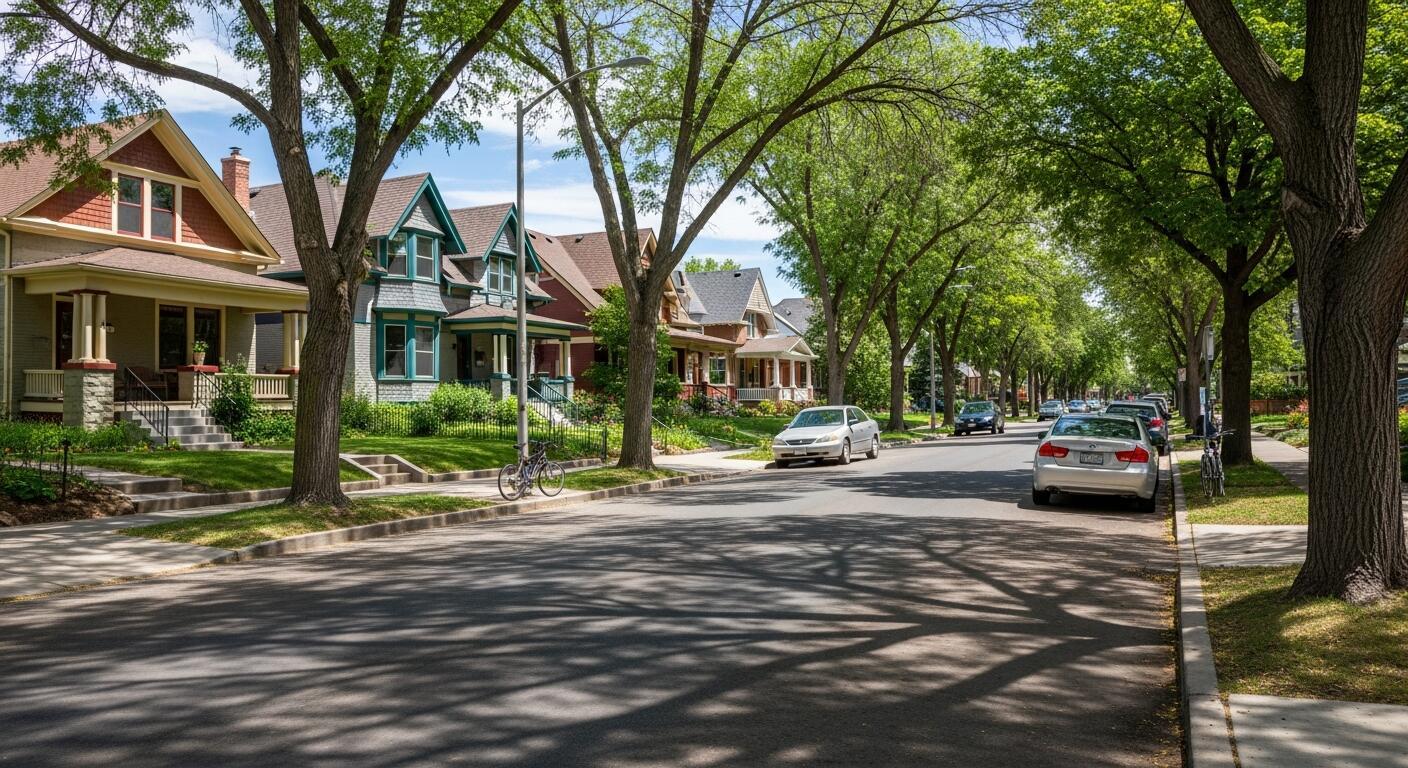
Platt Park is experienced primarily as an established residential neighborhood organized around a traditional Denver street grid. Old South Pearl Street introduces a concentrated neighborhood-commercial environment, while Broadway, Evans Avenue and the I-25 / rail edge create distinctly different perimeter conditions.
University
University is influenced much more strongly by the University of Denver. Campus buildings, housing, cultural facilities, athletics and institutional activity change the scale and intensity of portions of the neighborhood. Residential blocks away from the most active campus edges can feel considerably different.
Four Geographic Influences to Pay Attention To
Residential Interiors
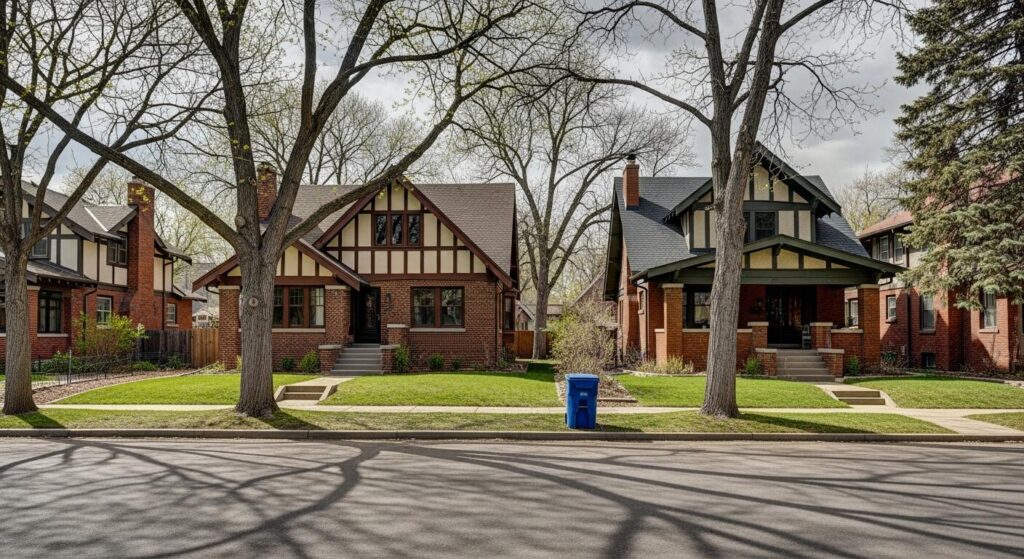
The quieter interior blocks are where lot pattern, setbacks, alleys, mature trees and the relationship between older homes and infill become most apparent.
Pearl Street
Old South Pearl Street creates neighborhood-scale commercial activity and pedestrian destinations within otherwise predominantly residential surroundings.
DU Campus
The University of Denver creates a distinct institutional environment with a larger building scale, campus open spaces, student housing and recurring cultural and athletic activity.
Transportation Edges
I-25, Buchtel Boulevard, major streets and nearby rail stations provide regional access while also creating noise, traffic, parking and development conditions that vary by block.
A few blocks can materially change the ownership experience.
Walking distance to Pearl Street or DU can be valuable, but proximity also changes activity, parking, noise, redevelopment pressure and the surrounding housing mix. I would evaluate a property here at the scale of the neighborhood, the block and the lot—not simply by asking whether the address is in Platt Park or University.
Geographic reference: City and County of Denver neighborhood mapping and street framework. Verified August 17, 2026. Neighborhood boundaries are geographic reference areas; individual property conditions should be evaluated at the address and parcel level.
A Streetcar, Campus + Residential Story
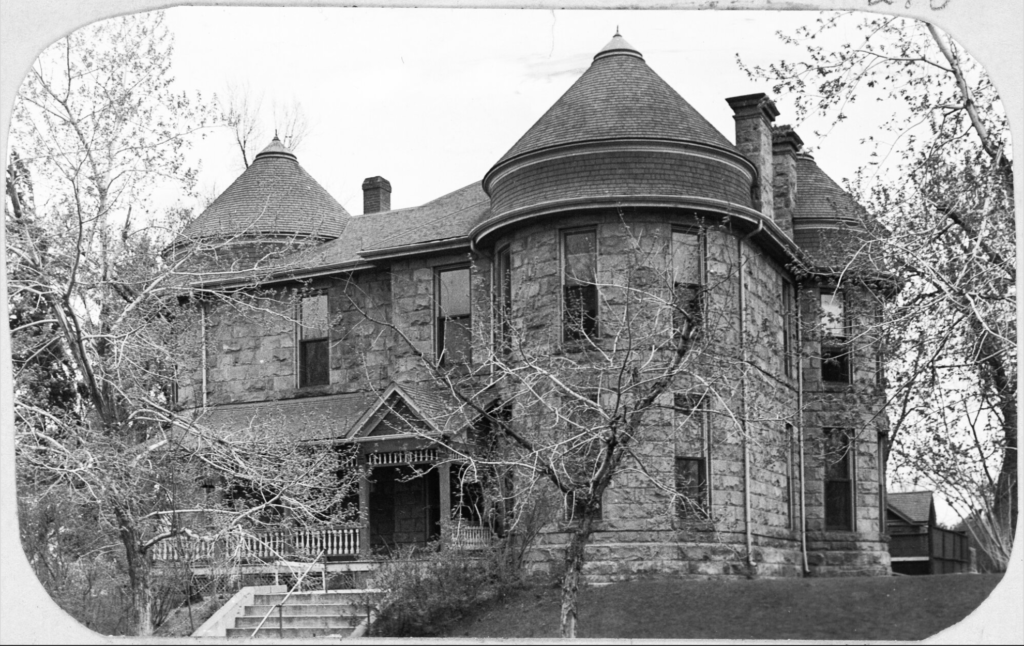
Platt Park + University did not emerge from a single development plan. Their present character reflects overlapping layers of late-19th-century expansion, streetcar transportation, the growth of the University of Denver, neighborhood commerce, incremental residential construction and more recent reinvestment.
That layered history remains visible today in the street pattern, lot sizes, storefronts, housing types and abrupt changes in building scale from one block to the next.
A Short Development Timeline
The South Denver Era
The independent town of South Denver existed for only eight years, but this period coincided with early settlement, subdivision and infrastructure growth across the area south of Denver.
DU Moves South
The University of Denver broke ground on its south Denver campus in 1890, establishing an institutional anchor that would permanently influence surrounding development.
Streetcar Growth
Denver Tramway service extended south along Pearl Street in 1893. The line was subsequently extended toward Evans Avenue and east toward the growing university campus, strengthening the connection between transportation, commerce and residential development.
Pearl Street Takes Shape
Several of South Pearl Street’s mixed-use buildings were constructed during this period as growing nearby neighborhoods supported grocers, pharmacies, services, restaurants and other everyday businesses.
Decline, Adaptation + Reinvestment
Pearl Street experienced changing retail patterns after World War II and competition from regional shopping centers in the 1960s and 1970s. Artists and independent businesses later occupied inexpensive storefronts, helping establish another chapter in the district’s evolution. Residential reinvestment has continued to reshape both neighborhoods through renovation, expansion, replacement and infill.
What That History Left Behind
A Fine-Grained Street + Lot Pattern
Much of the residential fabric still reflects an older urban pattern of relatively narrow lots, detached houses, sidewalks, street trees and alleys. That pattern affects additions, garages, privacy, redevelopment and how new construction fits between existing homes.
Housing From Multiple Generations
Early cottages and Victorian-era houses sit near bungalows, remodeled homes, additions, duplexes, townhomes, contemporary detached infill and multifamily housing. Age alone therefore tells very little about present condition or quality.
Two Different Activity Anchors
Pearl Street developed around neighborhood commerce and transportation, while DU developed as an institutional campus. Their histories explain why the guide contains two different forms of walkability and why proximity to each produces different property considerations.
History matters here because it explains the property—not because old automatically means better.
The most useful question is not simply when a house was built. It is how the original structure has been altered, maintained and adapted—and how those changes interact with the lot and surrounding buildings. A well-executed addition can be more functional than an untouched original house; poorly considered redevelopment can create problems regardless of age or price point.
Historical sources: Denver Public Library Special Collections — University Park / South Denver neighborhood history; University of Denver — History & Traditions; Old South Pearl Street — History. Historical interpretation and property implications are ttArch analysis. Sources verified August 17, 2026.
A Layered Residential Fabric
Housing in Platt Park + University is best understood as a series of overlapping generations rather than a single architectural identity. Early cottages and Victorian-era houses, bungalows, renovated and expanded homes, contemporary detached infill, duplexes, townhomes and multifamily buildings can all appear within a relatively short distance.
For buyers and homeowners, the more important question is often not simply what style is this? but how does this building occupy its lot, relate to its neighbors and perform as a place to live?
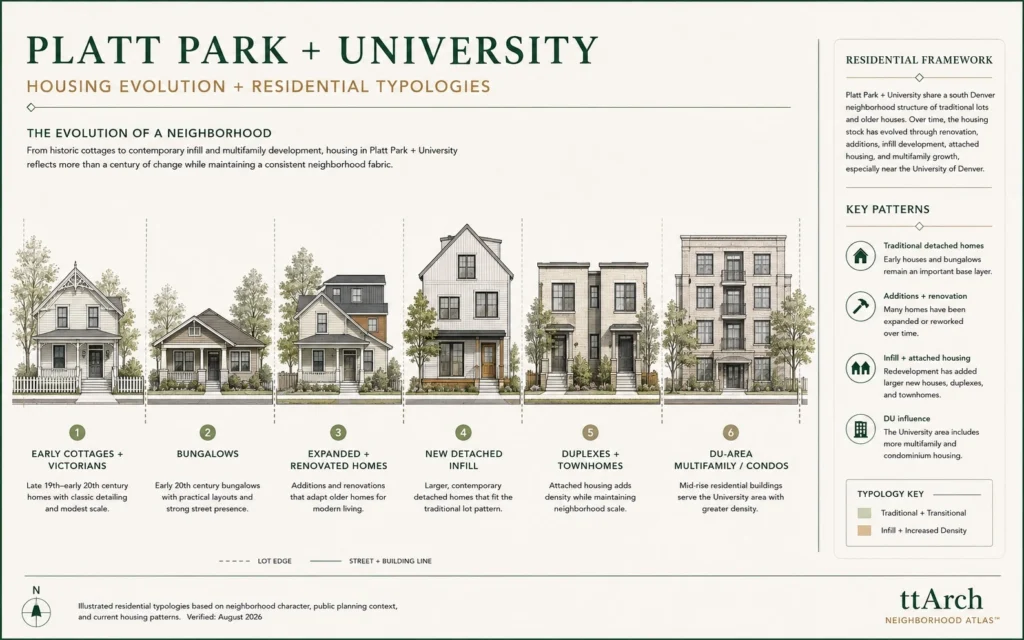
Reading the graphic: The illustrated housing types are representative residential patterns, not an exhaustive architectural inventory. Individual properties should be evaluated based on actual construction, alterations, permits and site conditions.
What Matters More Than the Style Label
How Much Building Fits the Site?
Consider front and rear setbacks, side-yard relationships, garage placement, usable yard area and whether an addition or replacement overwhelms the lot.
What Happens Next Door?
Window placement, neighboring height, tree canopy and building separation can materially affect daylight, privacy and the usefulness of indoor and outdoor spaces.
How Has the Building Changed?
Older houses deserve careful review of additions, basement work, structural changes, electrical and plumbing systems, drainage, roofing, windows and previous permitting.
Detached Housing
Detached homes give the owner greater control over the building and site, but they also place more responsibility on the owner for structure, exterior envelope, drainage, landscaping, utilities and future improvements.
In these neighborhoods, lot width and neighboring redevelopment can be nearly as important as finished square footage.
Attached + Condominium Housing
With duplexes, townhomes and condominiums, the physical building is only part of the analysis. Shared walls, common elements, parking rights, maintenance responsibilities, reserves, insurance, governing documents and association rules can materially affect ownership.
The University neighborhood’s broader mix of attached and multifamily housing makes this distinction especially important when comparing properties by price alone.
The best house is not necessarily the newest house—or the most original one.
I would compare homes here by how successfully they solve the fundamentals: proportion, circulation, natural light, privacy, outdoor space, structural logic, maintenance and relationship to the site. An older house with a thoughtful addition may function better than poorly resolved new construction, while a well-designed infill home may solve limitations that were never addressed in the original housing stock.
ttArch note: Architectural categories shown here are descriptive rather than a parcel-by-parcel historic survey. Building age, alterations, permitted work, zoning and property condition should be verified for the specific property under consideration.
Two Anchors. Two Different Forms of Neighborhood Life.
Platt Park + University contain two unusually strong neighborhood anchors, but they influence daily life in very different ways. Old South Pearl Street functions primarily as neighborhood-scale commerce and gathering space. The University of Denver operates at a larger institutional scale through education, employment, housing, arts, athletics and campus activity.
Both can contribute to walkability. The more useful question is: walkable to what?

Old South Pearl Street
Pearl Street provides a compact concentration of shops, restaurants, services and recurring events within the surrounding residential fabric.
Its influence is especially apparent in the pedestrian activity and neighborhood gathering that occur close to the commercial blocks.
Think: coffee, dining, services, small businesses, farmers market and seasonal neighborhood activity.
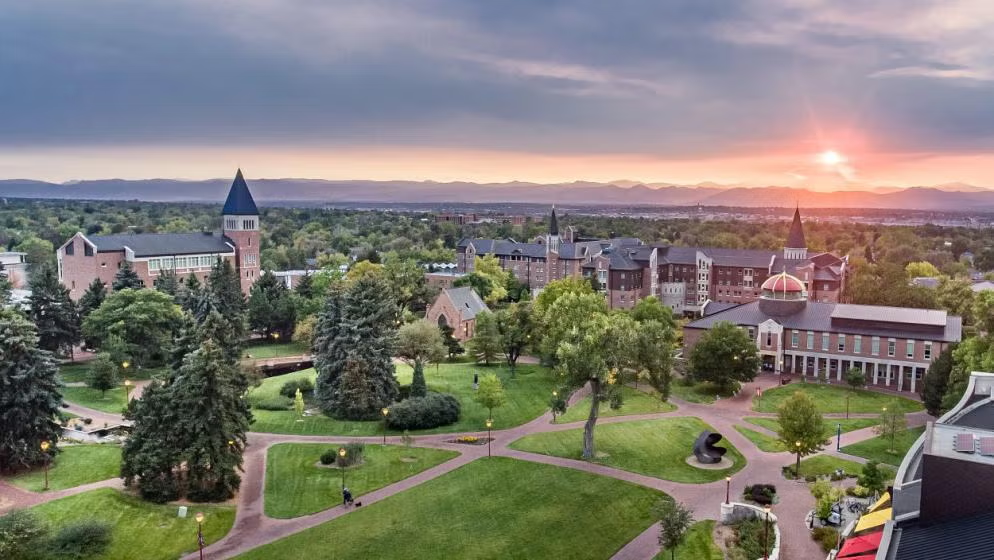
University of Denver
DU creates a larger and more varied activity center through academic buildings, student housing, employment, arts and cultural venues, athletics and recurring campus events.
Properties closest to active campus edges can experience a different rhythm from quieter residential blocks farther away.
Think: education, employment, performances, athletics, student life, campus housing and institutional activity.
Two homes can both be highly walkable—but walkable to very different things.
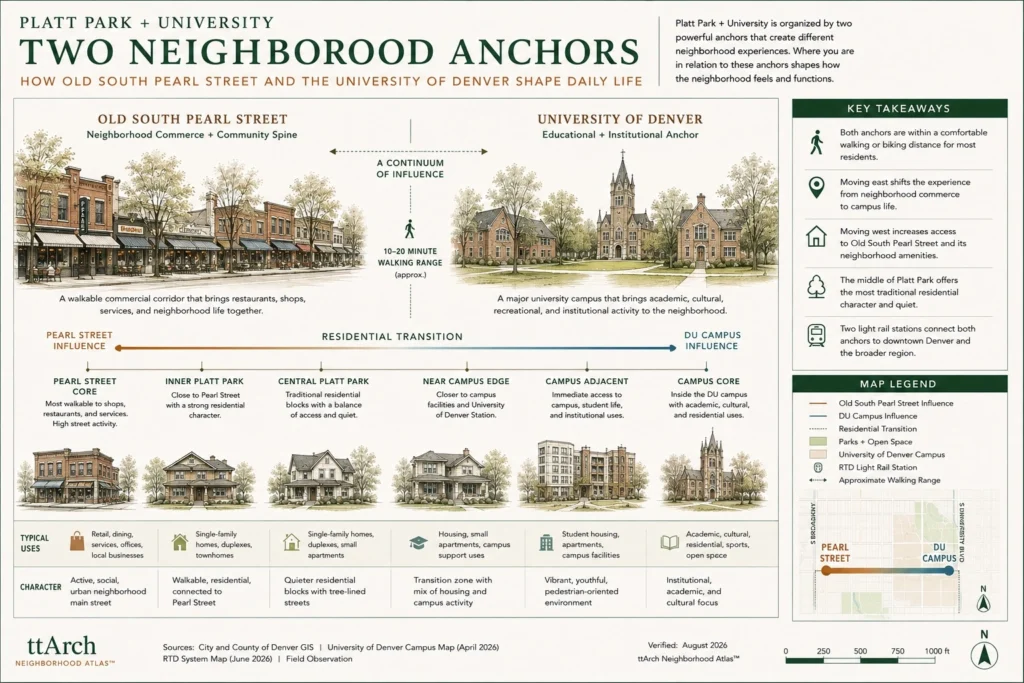
Graphic note: This is a conceptual influence diagram—not an official boundary or measured impact zone. The effects of Pearl Street and DU change gradually by block, property type, street orientation and specific activity.
What Proximity Can Change
Daily Rhythm
Restaurant hours, markets and neighborhood events create one kind of activity. Classes, performances, athletics and academic schedules create another.
Parking + Movement
Visitor parking, deliveries, pedestrians, bicycles and transit access can differ substantially between an interior residential block and one near an activity anchor.
Housing Mix + Scale
Activity centers often coincide with changes in housing type, density, building scale and redevelopment patterns. That context matters when evaluating an individual property.
What Will You Actually Use?
The value of proximity depends on personal routine. A feature that is important to one household may be largely irrelevant—or even undesirable—to another.
Two nearby rail stations add another layer of access.
Louisiana•Pearl and University of Denver stations provide light-rail access near the guide area. As with commercial and campus proximity, the practical value depends on the specific property, walking route and the transit service relevant to the resident’s actual trips.
Sources: Old South Pearl Street Association — district, merchants and events; University of Denver — campus life, arts and activities; Regional Transportation District — current rail system information. Sources verified August 17, 2026. Property-level interpretation is ttArch analysis.
Outdoor Life Happens at Several Scales
Platt Park + University do not depend on one signature park. Instead, outdoor life is distributed across neighborhood parks, recreation facilities, the Harvard Gulch corridor, campus landscapes, tree-lined residential streets and larger nearby destinations such as Washington Park.
For a buyer, the useful question is less about how much green appears on a map and more about which outdoor spaces fit the routines you expect to use regularly.
James H. Platt Park
The neighborhood’s namesake park and adjacent recreation center provide a local-scale outdoor and community resource within Platt Park.
Its value is primarily everyday convenience: a nearby place for recreation, informal outdoor time and neighborhood activity rather than a regional destination.
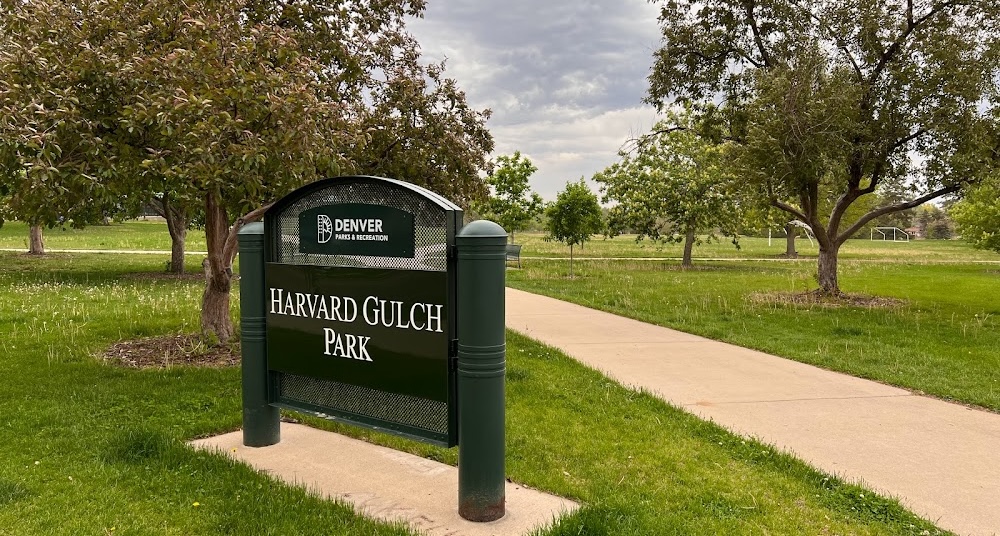
Harvard Gulch
Harvard Gulch extends the outdoor network south of the neighborhood with park space, recreation facilities, fields, trail connections and the city’s small par-3 golf course.
It functions differently from a conventional neighborhood park because the linear corridor can support walking, cycling and movement as well as destination recreation.
University of Denver
DU’s landscaped campus, greens and arboretum contribute substantial visual open space and a walkable campus environment within University.
Important distinction: these are university grounds rather than Denver city parkland. Their management, programming and use are tied to the university.
Washington Park
Washington Park is an important nearby recreational destination, particularly for portions of Platt Park, but it is not within either neighborhood covered by this guide.
Its proximity can still matter to a household that expects to use larger park space regularly. The practical test is the actual walking, cycling or driving route from the specific property.
The Street Is Part of the Outdoor Environment
In an established urban neighborhood, outdoor quality is not limited to formal parks. Mature street trees, sidewalks, front porches, setbacks, alleys and comfortable walking routes can materially affect how much time residents spend outside.
A home can therefore have modest private yard space yet still offer a strong outdoor lifestyle—or have a larger yard but poor connections to the places a household actually wants to reach.
Questions Worth Testing From the Property
Can You Get There Comfortably?
Walk or bike the actual route rather than relying only on straight-line distance.
Will You Use It Weekly?
A nearby amenity has greater practical value when it supports a real recurring routine.
What Does the Lot Provide?
Evaluate sunlight, shade, privacy, usable yard dimensions, patios and the relationship to neighboring buildings.
Does the Block Invite Walking?
Tree canopy, crossings, sidewalks, traffic and adjacent uses can matter as much as formal park proximity.
Outdoor quality is a combination of public space, private space + the route between them.
I would not evaluate a home here by park distance alone. Look at the yard, orientation, mature trees, surrounding building height and the quality of the walk beyond the property line. A smaller lot on a comfortable, connected block may support more daily outdoor use than a larger property isolated from the destinations that matter to you.
Sources: City and County of Denver Parks & Recreation — James H. Platt Park, Platt Park Recreation Center and Harvard Gulch facilities; University of Denver — campus and Chester M. Alter Arboretum information. Washington Park is included as nearby context and is not within Platt Park or University. Sources verified during guide research in August 2026.
Start With the Address—not the Neighborhood Name
School assignment in Denver is property-specific. A Platt Park or University address may map to a traditional boundary school or to an enrollment zone, and those systems work differently.
For that reason, school research should begin with the exact property address, student’s grade and enrollment year rather than an assumption based on the neighborhood name or the nearest school building.
Two Assignment Systems
Boundary School
A residential address maps to one specific neighborhood school. Students residing within the boundary are guaranteed a seat there.
Enrollment Zone
An address maps to a group of schools rather than one default school. The student is guaranteed a seat at one of the schools in the zone, but placement depends on the SchoolChoice process and admission priorities.
Elementary School Enrollment
Portions of the surrounding south-central Denver geography use the Southwest/Central Elementary Enrollment Zone.
For the 2026–27 school year, the zone includes three DPS elementary schools:
McKinley-Thatcher Elementary
One of the three current Southwest/Central Elementary Enrollment Zone schools.
Asbury Elementary
Located in the University of Denver area and currently included in the Southwest/Central Elementary Enrollment Zone.
Godsman Elementary
The third current Southwest/Central Elementary Enrollment Zone school. Its campus is west of the guide neighborhoods.
An enrollment zone does not mean automatic placement at the closest school.
Students living in an elementary enrollment zone are guaranteed a seat at one of the schools in that zone. Families use the SchoolChoice process to rank their preferences.
DPS also uses proximity zones within elementary enrollment zones. Living closer to a particular school can create higher admission priority, but it is not the same as a guaranteed assignment to that school.
This distinction matters when evaluating a property near a school campus. Physical proximity and enrollment rights are not always the same thing.
Grant Beacon Middle School
1751 S. Washington Street
Grant Beacon is a DPS middle school located in the Platt Park area. Its physical location makes it relevant to the guide, but buyers should verify the current middle-school boundary for the exact property address rather than assuming assignment from proximity.
Denver South High School
1700 E. Louisiana Avenue
Denver South is a major DPS high school immediately north of the guide area near Washington Park. As with middle and elementary schools, current assignment should be confirmed through DPS using the exact residential address and enrollment year.
How to Evaluate Schools for a Specific Property
Use DPS School Finder
Enter the actual address and grade. Do not infer assignment from a listing, neighborhood map or nearby school building.
Boundary or Zone?
Determine whether the address has one guaranteed boundary school or belongs to an enrollment zone with several possible placements.
Evaluate What Matters to You
Review curriculum, programs, student support, transportation and school culture through current school and district information and direct visits.
Confirm the Enrollment Year
Boundaries, zones and programs can change. Verify the information for the school year in which the student will actually enroll.
School proximity and school assignment are two different property questions.
A school building near a home can affect walking patterns, traffic, drop-off activity and neighborhood routine even when that property is not automatically assigned to the school. For buyers with school-age children, I would therefore investigate both questions independently: What school options does this address actually provide, and what does living near these school facilities mean for the property and daily routine?
School information: Denver Public Schools SchoolChoice, District & Boundary Maps, and individual DPS school sites. Current boundary and enrollment-zone references are for the 2026–27 school year. School assignments, programs, boundaries and enrollment procedures can change. Buyers should independently verify the exact property address, grade and enrollment year with Denver Public Schools. ttArch does not rank schools or characterize a school as good or bad.
Two Neighborhoods. Two Different Market Baselines.
Platt Park and University are geographically connected, but combining their sales into one neighborhood number would obscure meaningful differences in housing type, price tier and market behavior.
This analysis therefore treats them as two separate markets and then looks within each neighborhood at detached, townhouse and condominium pricing.
Rolling 12-Month View
These figures summarize public Homes.com neighborhood-market data over the prior 12 months. Medians describe the homes that actually sold during that period; they are not estimates of what every property in the neighborhood is worth.
Property-type medians can be particularly sensitive to the number, size, age and quality of homes sold. They should be used to understand market structure—not as substitutes for property-specific comparable-sales analysis.
Neighborhood Market Overview
The Housing Type Changes the Price Conversation
The neighborhoodwide median is only the first layer. Detached houses, townhouses and condominiums occupy substantially different price ranges—especially in University.
Do not read these medians as a hierarchy of value. Platt Park’s townhouse median, for example, can overlap or exceed its detached median because the townhouse sales mix may include newer, larger or higher-finish properties. University condominium and townhouse sales occupy a much lower price tier, which materially lowers the neighborhoodwide median. Sample composition matters.
What the Numbers Suggest
A Higher Residential Price Baseline
Detached and townhouse sales sit relatively close together in the current rolling data, while condominiums occupy a substantially lower tier. Property condition, lot, architecture and proximity to Pearl Street can create large differences within the detached market itself.
A Much Wider Price Spectrum
University contains a pronounced split between detached homes and lower-priced attached housing. A neighborhoodwide median therefore tells very little about the market position of a specific condo, townhouse or detached house.
The Comparable Set Matters More
Architecture, size, renovation quality, lot width, parking, association structure and micro-location can separate two nearby homes economically even when they share the same statistical-neighborhood label.
For a real buying or selling decision, rebuild the analysis around the specific property.
Market source: Homes.com / CoStar public neighborhood market data for Platt Park and University, Denver. Rolling prior-12-month figures and current inventory indicators. Verified August 18, 2026. Market conditions change continuously. Property-type medians may reflect relatively small or changing sales samples and should not be used as an appraisal or prediction of future value. Interpretation is ttArch analysis.
Buy the Property—Not Just the Neighborhood
Platt Park + University are neighborhoods where property-specific differences can be significant. Two homes separated by only a few blocks may differ materially in lot configuration, building age, renovation quality, daylight, privacy, parking, adjacent redevelopment and proximity to Pearl Street or the University of Denver.
The strongest buying process therefore moves from location → block → lot → building → ownership structure, rather than stopping at the neighborhood name.
Start With Five Questions
Where Is It?
Pearl Street, DU, transit, parks, schools and major streets all influence daily life differently.
What Is the Block?
Study neighboring building types, traffic, parking, alley conditions, tree canopy and redevelopment.
How Does the Lot Work?
Orientation, setbacks, yard dimensions, drainage, garage placement and neighboring massing matter.
How Does the House Perform?
Look beyond finishes to circulation, daylight, privacy, structure, systems, additions and maintenance.
What Could Change?
Consider neighboring redevelopment, zoning, vacant sites, institutional uses and future additions nearby.
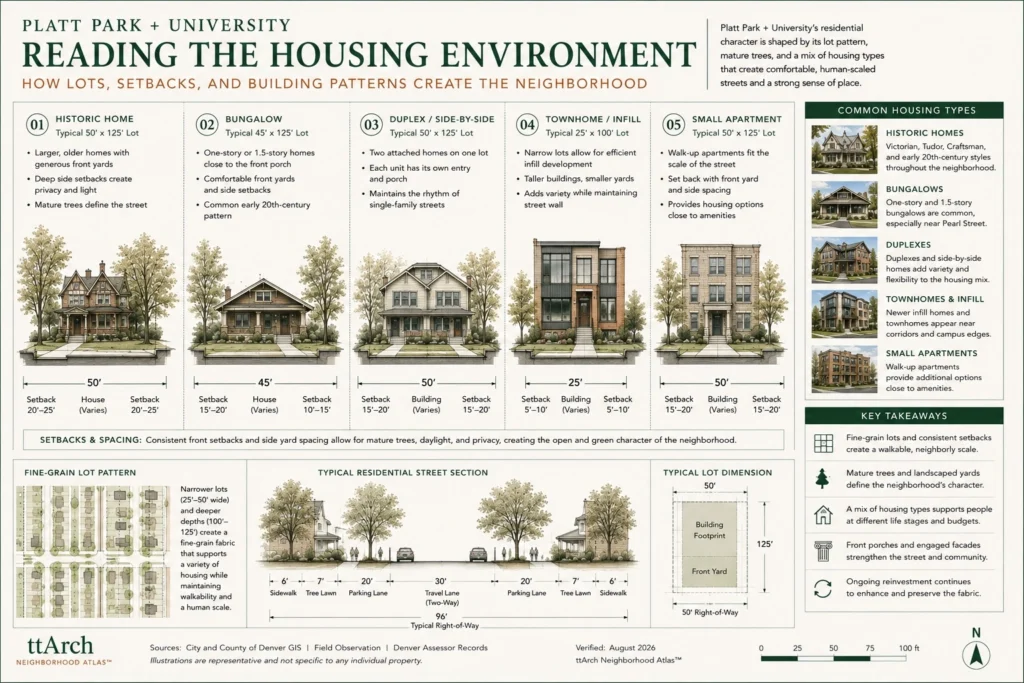
Graphic purpose: The lot sections illustrate common relationships between housing type, building mass, outdoor space and neighboring structures. They are analytical diagrams rather than property-specific zoning or setback diagrams.
Older Homes: Investigate the Layers
An older house may contain work from several generations. That is not inherently a problem, but the sequence of changes matters.
Review carefully:
- additions and structural alterations
- basement finishing and egress
- electrical and plumbing updates
- roofing and exterior envelope
- foundation conditions
- drainage and grading
- sewer condition
- windows and insulation
- permit history where available
Do Not Ignore the Neighboring Lots
On established narrow-lot blocks, what happens next door can influence a property’s daylight, privacy, views and outdoor experience.
A one-story neighboring house today may eventually be renovated, expanded or replaced. That does not mean redevelopment will occur, but buyers should understand the physical relationship between the property and surrounding sites before assuming today’s conditions will remain unchanged.
The Site Is Part of the Purchase
For detached housing, consider lot width, yard depth, alley access, garage configuration, trees, solar orientation and whether future additions are realistically compatible with the site.
The Legal Structure Is Part of the Purchase
For townhomes and condominiums, investigate shared walls, common areas, parking rights, maintenance responsibilities, insurance, reserves, assessments, association rules and governing documents.
A lower purchase price does not automatically mean a simpler ownership decision.
Build a Property-Specific Due-Diligence File
Depending on the property, useful due diligence may include inspection reports, sewer evaluation, permit research, zoning and landmark-status verification, title review, survey or improvement-location information, association documents, insurance review and investigation of known future development nearby.
The appropriate scope depends on the property. The objective is not to eliminate every uncertainty; it is to understand the uncertainties well enough to make an informed decision.
A beautiful renovation cannot fix the wrong property relationship.
Finishes are easy to photograph and easy to market. Site relationships are harder to change. I would pay particular attention to orientation, neighboring mass, privacy, usable outdoor space, structural logic and the way the plan connects to the lot. Those fundamentals often determine whether a house continues to work well after the excitement of the initial purchase has passed.
Evaluate the Property Beyond the Neighborhood Name
If you are considering buying a Platt Park or University property, I help you evaluate the block, lot, architecture, condition, renovation history, neighboring development, parking, ownership structure, market position, value, offer strategy, and due diligence together before you commit.
Buyer note: The issues above are a decision framework, not a substitute for inspection, legal, title, survey, engineering, insurance, zoning or other professional review appropriate to a specific property. Scope due diligence to the property and transaction.
Sell the Specific Property—not a Generic Neighborhood Story
Platt Park + University contain enough variation that effective selling begins with defining what the property actually competes against. An original bungalow, renovated detached home, contemporary infill house, townhome and condominium may share a neighborhood label while appealing to very different buyers.
The goal is not to manufacture a story. It is to make the property’s real advantages, limitations, condition and market position easier to understand.
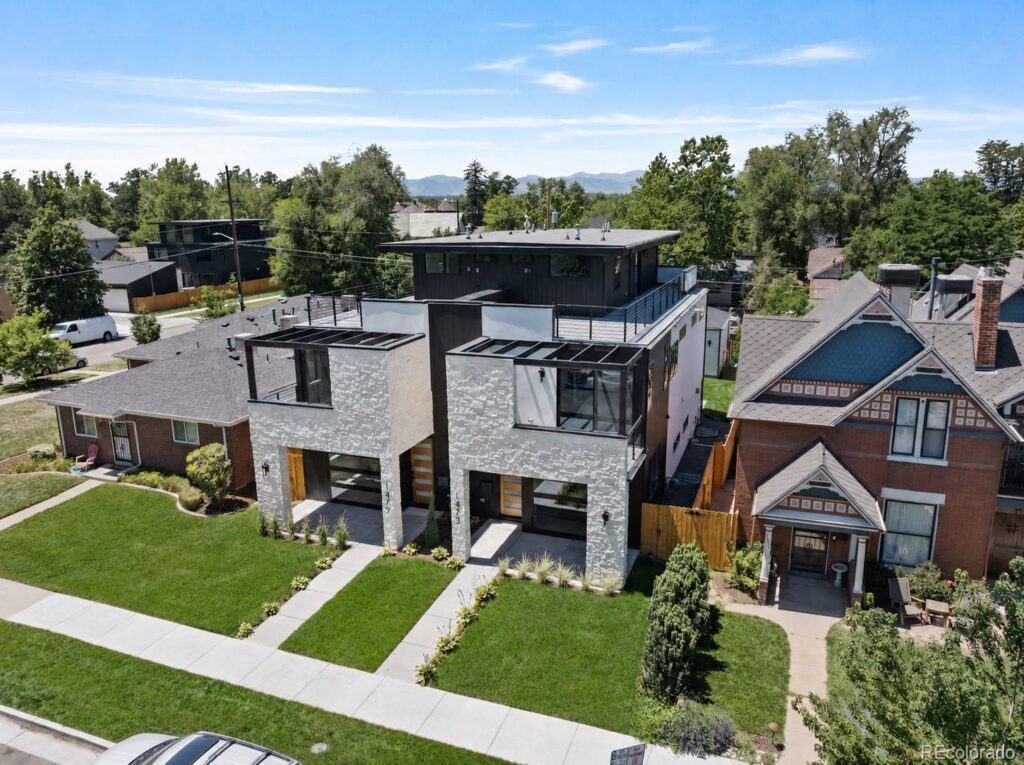
What Is the Real Competitive Set?
A pricing analysis should begin with properties buyers are genuinely likely to compare—not every recent sale inside the statistical neighborhood.
Useful filters can include:
- property type
- micro-location
- lot and parking
- finished size
- building generation
- renovation quality
- condition
- outdoor space
- association structure where applicable
Four Parts of a Strong Listing Strategy
Define the Buyer Comparison
Identify the homes a serious buyer is likely to compare and understand where this property is stronger, weaker or simply different.
Fix What Changes Perception
Prioritize maintenance, light, landscaping, clutter, worn finishes and unresolved conditions that distract buyers from the property’s underlying strengths.
Describe the Building Precisely
Explain renovations, additions, lot relationships, outdoor space and architectural features accurately rather than relying on generic luxury language.
Price Against Alternatives
Buyers compare what is available now. Pricing should reflect the property’s current alternatives as well as relevant closed sales.
Make Improvements Easier to Understand
Where available, organize useful property records before the listing reaches the market.
- renovation and addition information
- permits and approvals
- architectural or engineering documents
- roof, HVAC and major-system records
- sewer or drainage work
- warranties and receipts
- survey or improvement-location documents
- association documents for attached housing
Good documentation does not make a property perfect. It makes the property’s history easier for buyers to evaluate.
Use Architectural Language Carefully
Terms such as historic, original, architect-designed, fully renovated or specific architectural-style labels should be used only when they can be supported.
A more precise description is often more persuasive because it helps buyers understand what actually distinguishes the property:
- original material that remains
- documented additions
- relationship of new work to the original house
- quality of natural light
- yard and indoor-outdoor connection
- garage and alley relationships
- changes in building mass and floor plan
Prepare for the Questions Buyers Are Likely to Ask
Complete required transaction disclosures accurately and use the current Colorado forms applicable to the transaction. Older homes, additions, previous repairs, water intrusion, structural work, insurance history, association matters and known property conditions can create predictable buyer questions.
The objective should be straightforward: disclose what is required, provide useful documentation that is available and avoid turning uncertainty into unnecessary suspicion by withholding information that should properly be addressed.
What Buyers Can See
Photography and presentation should clearly communicate spatial qualities that matter:
- room relationships
- natural light
- connection to outdoor space
- ceiling volume
- architectural details
- yard dimensions and privacy
- garage and parking
- street and neighborhood context
What Buyers Cannot See
Documentation and disclosure help explain conditions photography cannot:
- system replacements
- structural work
- renovation history
- permit records
- drainage or sewer work
- association finances
- insurance or repair history
- known property conditions
The strongest marketing usually comes from specificity.
I would rather explain why a house works than simply call it exceptional. If a renovation improved circulation, say how. If the lot offers unusual privacy, show it. If an addition preserves the scale of the original house while creating better daylight and indoor-outdoor connection, explain that. Buyers can usually recognize the difference between meaningful information and generic marketing language.
Position the Property Against the Homes Buyers Are Actually Comparing
If you are considering selling a Platt Park or University property, I bring the micro-location, housing type, lot, architecture, renovation history, condition, Pearl Street or DU relationship, competitive set, preparation, pricing, marketing, and negotiation together into a strategy for the individual property.
Seller note: Pricing, preparation and disclosure should be tailored to the specific property and transaction. Sellers should use current Colorado transaction forms and obtain legal, tax, inspection, engineering or other professional advice when appropriate. Marketing descriptions should distinguish verified facts from professional interpretation.
The Property Matters More Than the Label
Platt Park + University illustrate why neighborhood-level research is useful—but insufficient. A neighborhood name can tell you something about geography, history and broad market context. It cannot tell you whether a particular house has good daylight, whether the rear yard is genuinely usable, whether a neighboring property could materially change privacy, or whether an addition was thoughtfully executed.
In these neighborhoods, the better decision usually comes from understanding the specific property more deeply—not from relying more heavily on the neighborhood label.
Neighborhood
Understand the larger geography, housing stock, history, market structure and major destinations.
Environment
Identify the immediate influence: Pearl Street, DU, a residential interior, transit edge, park, school or major street.
Block
Read the street itself: building scale, trees, parking, traffic, setbacks, alleys, adjacent uses and redevelopment potential.
Property
Evaluate the house and lot: plan, structure, daylight, privacy, outdoor space, condition, alterations and ownership obligations.
For Buyers
The neighborhood should help narrow the search. The property should determine the decision.
A home may have the right address and still be a poor fit because of its plan, maintenance needs, lot relationships or surrounding development. Another property may look less impressive online but solve the fundamentals unusually well.
That is why I would compare the things that are difficult to change before becoming overly focused on finishes that are relatively easy to change.
For Sellers
The same framework works in reverse. Strong positioning begins by understanding what buyers are really comparing and which characteristics of the property meaningfully separate it from those alternatives.
If the house has unusually good light, explain why. If the lot provides privacy, show it. If a renovation improved circulation or indoor-outdoor connection, make that legible. If a limitation exists, price and position the property with that reality in mind.
Good real estate decisions come from understanding relationships.
A house is not an isolated object. It sits on a lot, beside other buildings, on a particular block, within a neighborhood that is continually changing. Architecture, real estate and daily life intersect in those relationships.
That is especially true in Platt Park + University, where older housing, contemporary infill, neighborhood commerce, campus activity and established residential streets exist close together. Understanding how those layers interact is what turns neighborhood knowledge into a better property decision.
Perspective note: This section is professional interpretation from the combined perspective of architecture and residential real estate. It is intended as a decision framework rather than a prediction of market performance or a substitute for property-specific inspection, legal, engineering, zoning, appraisal or other professional review.
Questions Buyers + Sellers Commonly Ask
These answers provide neighborhood-level context. For schools, zoning, property condition, association obligations, market value and other transaction decisions, verify the information for the specific address and property.
No. They are separate Denver statistical neighborhoods, but they share a connected south Denver geography and many overlapping daily-life destinations. Platt Park is generally experienced as an established residential neighborhood organized around Old South Pearl Street, while University is influenced more directly by the University of Denver campus and its surrounding housing.
No. University and University Park are separate Denver statistical neighborhoods. University lies immediately south of Platt Park and contains much of the University of Denver campus. University Park is east of University and is treated as a neighboring area rather than part of this guide.
That depends more on the specific block than the neighborhood label. Interior Platt Park blocks often have a strongly residential character, while blocks near Pearl Street, Broadway, Evans or transportation corridors can feel different. University contains active campus edges and multifamily housing, but residential blocks farther from the busiest DU areas can feel considerably quieter.
That depends on whether you expect to use it. Pearl Street provides restaurants, shops, services and recurring neighborhood activity. Being nearby may be highly useful for one household and relatively unimportant to another. I would walk the actual route from the property and consider both the convenience and the activity that comes with proximity.
Evaluate the specific campus edge rather than treating all DU proximity the same. Academic buildings, residence halls, athletic facilities, cultural venues, parking areas and quieter campus landscapes can each create different conditions. Visit the block at more than one time of day and consider pedestrian activity, parking, events, building scale and surrounding redevelopment.
Age alone is not the issue. Focus on how the house has been maintained and altered. Depending on the property, important areas may include additions, structural changes, foundations, basements, electrical and plumbing systems, roofing, drainage, windows, insulation, sewer condition and permit history. A thoughtful older renovation can perform very well; poorly executed work can create problems at almost any age.
Yes. On established urban blocks, a neighboring renovation, second-story addition or replacement building can change privacy, daylight, views and the relationship between outdoor spaces. That does not mean redevelopment will occur, but buyers should understand the physical and zoning context around the property rather than assuming today’s neighboring conditions will remain unchanged.
School assignment is address-specific and can also depend on grade and enrollment year. Portions of the area use Denver Public Schools enrollment zones, where an address can provide access to a group of schools rather than one automatic neighborhood assignment. Use the current DPS School Finder for the exact property and confirm the information for the year the student will enroll.
No. Walkability changes significantly by block and by destination. One property may offer convenient access to Pearl Street, another to DU or light rail, while another may be better positioned for parks or quieter residential walking. Street crossings, traffic, sidewalks and the quality of the route matter in addition to distance.
Compare more than purchase price and square footage. Detached housing gives the owner more control over the building and site but generally more individual maintenance responsibility. Townhouses and condominiums may introduce shared walls, common areas, association obligations, reserves, insurance arrangements, assessments and governing documents. Those ownership structures should be part of the comparison from the beginning.
Not reliably. Neighborhood medians are useful market context, but Platt Park and University contain several housing types and wide differences in age, size, lot, renovation quality and micro-location. A property-specific valuation should start with the most relevant comparable homes and then account for the features buyers are actually comparing.
Once both homes satisfy the basic location and budget requirements, I would focus heavily on the characteristics that are difficult to change: block context, lot orientation, neighboring mass, natural light, privacy, structural logic, outdoor space, parking and the quality of prior alterations. Finishes can often be changed. Fundamental site and building relationships usually cannot.
The more specific the question, the more useful the answer becomes.
“Is Platt Park walkable?” is a useful starting question. “How comfortable is the walk from this house to Pearl Street, and what happens along the route?” is a better decision question. The same principle applies to schools, market value, architecture, DU proximity and property condition.
FAQ note: Answers summarize the geographic, architectural, school, market and ownership framework developed throughout this guide. Property conditions, school assignments, zoning, association obligations and market conditions should be independently verified for the specific property and decision.
Decide With Better Information
Platt Park and University offer several very different ways to live in the same part of Denver. The goal of this guide is not to tell you whether the neighborhood is right for you—it is to help you understand which environment, building type, and property might be.
Evaluate a Property
If you are considering a specific Platt Park or University property, I can look beyond the listing and help you evaluate the building, block, ownership structure, market position, and potential tradeoffs together.
Compare Neighborhoods
Use the Neighborhood Atlas to compare architecture, housing, lifestyle, schools, transportation, market conditions, and tradeoffs across Denver neighborhoods.
Guide information should be verified for the specific property and decision being considered.