
QUICK ANSWER
How Should You Prepare Your House for Sale?
Preparing a home for sale is not about making it perfect. It is about helping the buyers most likely to purchase it feel confident enough to imagine living there—and comfortable enough to make a strong offer.
Sometimes that means addressing deferred maintenance. Sometimes it means improving light, cleanliness, or presentation. And sometimes it means deciding not to spend money on projects that are unlikely to change how buyers evaluate the home.
If you search online for advice about preparing a home for sale, you will find hundreds of checklists. Paint this. Clean that. Replace this. Landscape that.
Some of those recommendations are helpful. But they assume every home—and every seller—is the same.
After helping homeowners throughout the Denver Metro Area for many years, I do not believe that is true. A home in Washington Park is not prepared exactly the same way as a home in Central Park. A seller relocating in thirty days faces different decisions than someone preparing months in advance.
That is why I rarely begin by talking about projects. I begin with questions: Who is most likely to buy this home? What are they expecting? What are they likely to notice first? What concerns might they have? And which of those concerns can we realistically address?
Before You Start Making Improvements
One of the biggest mistakes I see homeowners make is starting with a contractor before they have developed a strategy.
Someone recommends painting. Another person suggests replacing flooring. A neighbor says the kitchen needs updating. Before long, the seller has a growing list of expensive projects without ever asking whether those projects actually improve the home’s competitive position.
If we were walking through your home together, I probably would not begin by pointing out things that need to be fixed. I would begin by asking what success looks like for you.
Are you hoping to maximize your sale price? Sell quickly? Minimize stress? Avoid major disruption? Those answers influence every recommendation that follows.
Think Like a Buyer
One advantage of working with both buyers and sellers is that I get to watch how buyers actually experience homes.
Most buyers do not walk through a home with a clipboard. They are not assigning points for every improvement. They are asking themselves: Does this home feel well cared for? Can I picture myself living here? Does anything concern me? Will I immediately need to spend money after moving in?
Those questions are emotional as much as practical. That is why preparation is not simply about repairs. It is about reducing uncertainty.
KEY INSIGHT
The goal is not perfection. The goal is confidence.
How Buyers Experience a Home
When I walk through a property with sellers before listing, I often encourage them to imagine they are seeing the home for the first time.
The experience begins long before someone reaches the front door. It begins when they turn onto the street, pull into the driveway, and walk toward the entrance.
By the time they step inside, they have already started forming opinions. Is the home bright? Does it feel clean? Is it easy to move through? Do the rooms feel open and inviting? Does anything distract from the home itself?
Preparation is less about creating excitement and more about removing distractions.
Start With Maintenance, Not Remodeling
Before talking about kitchens or countertops, I want to know whether the home communicates that it has been well cared for.
Maintenance
Maintenance is the foundation. Fix plumbing leaks, damaged trim, broken fixtures, loose railings, drainage issues, and other items that suggest the home has not been cared for.
Repairs
Repairs remove obstacles. The useful question is not simply whether something is broken, but what assumptions buyers are likely to make if it remains unresolved.
Cosmetic Improvements
Fresh paint, updated lighting, professional landscaping, deep cleaning, refinished floors, and worn-carpet replacement can improve the buyer’s experience without changing the home itself.
Renovations
Renovation should be the final category, not the first. Large projects need a clear strategic reason tied to marketability and competitive position.
KEY INSIGHT
Preparing a home for sale is often more about removing uncertainty than creating luxury.
Preparing the Exterior
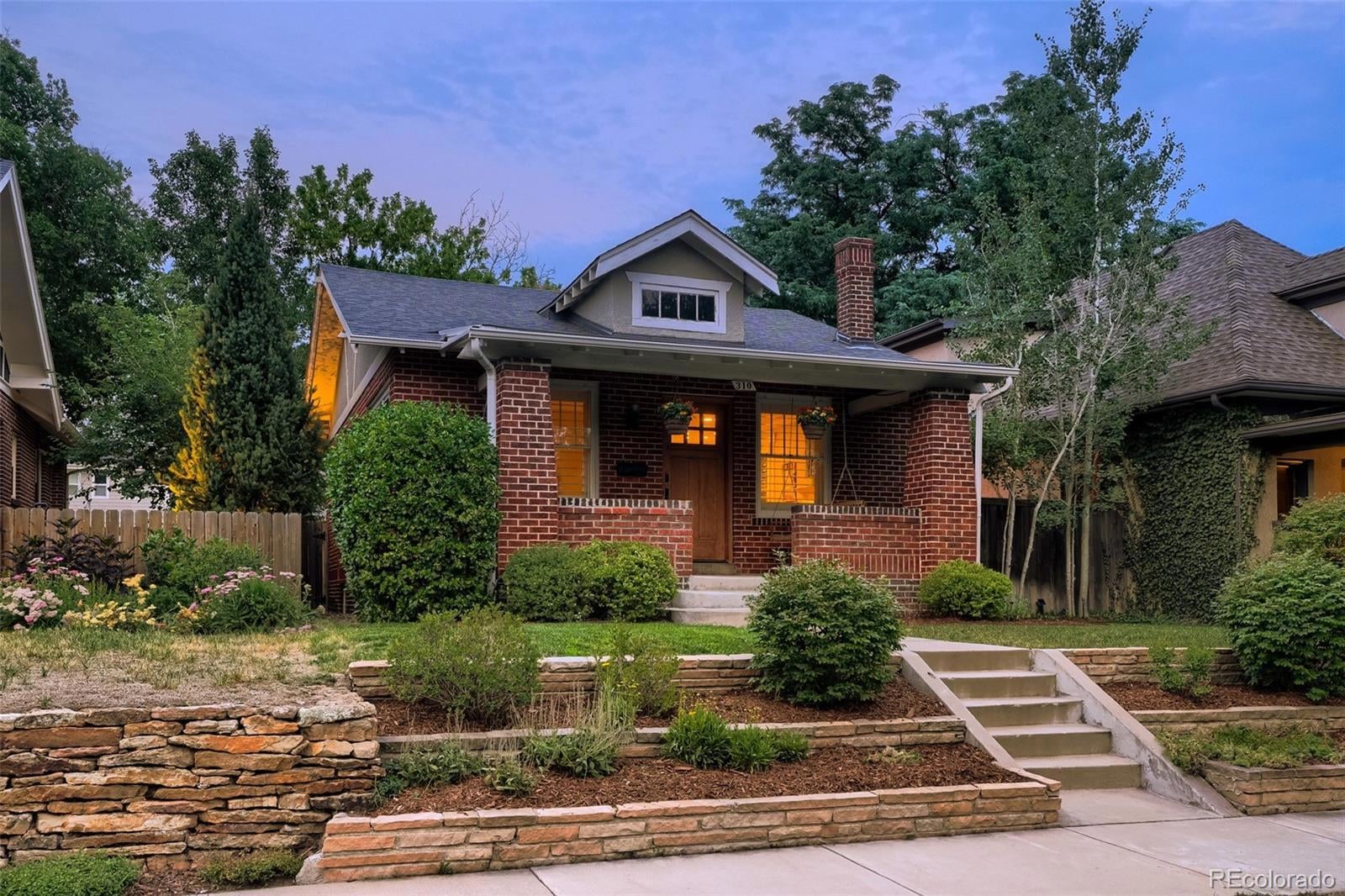
Buyers begin evaluating your home before they open the front door.
They notice the roof, paint, walkway, landscaping, yard, and entry. Within a few moments, they have already started forming opinions about how the property has been maintained.
That does not mean every yard needs professional landscaping. Often, mowing the lawn, trimming landscaping, cleaning the front porch, pressure washing the walkway, and painting the front door accomplish more than expensive exterior projects.
Preparing the Interior
Once buyers walk through the front door, they begin responding to how the home feels.
Professional cleaning, reducing clutter, improving lighting, removing unnecessary furniture, organizing storage areas, touching up paint, cleaning windows, and addressing odors often have more impact than sellers expect.
One of my favorite questions to ask is: What do you hope buyers notice first—and what is preventing them from noticing it?
Presentation Versus Perfection
Buyers do not expect perfection. Historic homes have character. Older homes have quirks. Even newer homes show signs of normal living.
What buyers do not want is uncertainty. Preparing a home for sale is not about hiding imperfections. It is about helping buyers understand the property clearly without becoming distracted by issues that do not define it.
The ttArch Home Preparation Framework
When I help a homeowner get ready to sell, this is generally how I think through the process.
01
Understand Who Is Most Likely to Buy Your Home
Before deciding what to repair, clean, update, or improve, understand who you are preparing the home for and what that buyer is likely to expect.
02
Experience the Home Like a Buyer
Leave the home, return, and walk through it as though you have never seen it before. Notice what stands out, what creates confidence, and what creates uncertainty.
03
Remove Distractions Before Adding Improvements
Clean thoroughly, declutter thoughtfully, organize storage, improve lighting, and touch up maintenance before deciding what else to add.
04
Prioritize Projects That Build Confidence
Focus on the improvements most likely to make buyers feel comfortable about the home’s condition and care.
05
Know When to Stop
At some point, additional work no longer meaningfully improves the home’s competitive position. Recognizing that point is as important as knowing where to begin.
KEY TAKEAWAY
Preparing a home for sale is not about doing everything you can. It is about doing the things that matter most to the buyers most likely to purchase it.
A Denver Metro Perspective
Every Denver Metro neighborhood tells a different story, so preparation should never be one-size-fits-all.
Historic neighborhoods often attract buyers who appreciate original architecture and understand that older homes come with character and ongoing maintenance. Newer communities frequently attract buyers looking for convenience, modern layouts, and move-in-ready condition.
Colorado’s climate also shapes buyer expectations. Roof condition after hail events, outdoor living spaces, irrigation, drainage, exterior paint, decks, and landscaping often become part of the conversation.
KEY INSIGHT
Preparation is not about eliminating every concern. It is about understanding which concerns buyers are most likely to have before they ask them.
Assumptions That Often Lead Sellers in the Wrong Direction
01
Every Room Needs to Look Like a Model Home
Buyers expect a home to feel lived in. They are looking for confidence, not perfection.
02
I Should Renovate Before I Do Anything Else
Maintenance almost always deserves attention before remodeling.
03
More Money Always Means Better Preparation
Cleaning, lighting, paint, and organization often create more value than expensive upgrades.
04
I Will Start Once the Photographer Is Scheduled
Preparation begins much earlier than photography. Starting early gives you more options.
05
I Need to Fix Everything
It is more productive to ask which improvements are most likely to change how buyers experience the home.
DECISION TIP
Ask which improvements are most likely to change how buyers experience this home—not how many projects you can complete.
Frequently Asked Questions
How I Would Think About It
If we were preparing your home together, I do not think we would spend the first hour talking about paint colors or landscaping.
We would spend it talking about your goals, your timeline, your concerns, and what success looks like to you.
Then we would walk through the home together—not looking for flaws, but looking for opportunities.
I would ask: Where does the home naturally shine? What will buyers remember? What distractions keep them from seeing those strengths? What improvements would genuinely change their experience?
The recommendation is not the important part. The thinking is.
KEY TAKEAWAY
The best real estate advice is not about telling homeowners what to do. It is about helping them understand why one approach may be more appropriate than another.
If you are moving from preparation into an actual sale, you can also see how I represent Denver-area home sellers from initial property evaluation through closing.
Continue Your Research
Preparing your home is only one part of the selling process. These related resources can help you continue your research.
Should You Renovate Before Selling Your House?
Learn when larger improvements may strengthen your competitive position.
Sell As-Is or Make Repairs First?
Explore how I think through repair decisions before listing.
Seller Resources
Explore practical guides covering pricing, preparation, negotiations, inspections, and closing.
Neighborhood Atlas
Understand how buyer expectations vary across Denver Metro neighborhoods.
Home Valuation
Understand how your home compares with today’s market before investing in preparation.
Real Estate Insights
Browse additional decision-focused articles for Denver Metro homeowners.
See How I Represent Denver Home Sellers
Preparing the home is only one part of a successful sale. If you are moving from research into an actual listing decision, see how I approach pricing, preparation, positioning, marketing, offer evaluation, negotiation, and closing for Denver-area sellers.